[Image above] Experts from the Autonomous University of Baja California in Baja California, Mexico, are hoping to make dental implants equally attractive, more effective, and, more importantly, more affordable through the use of new materials. Credit: Investigación y Desarrollo
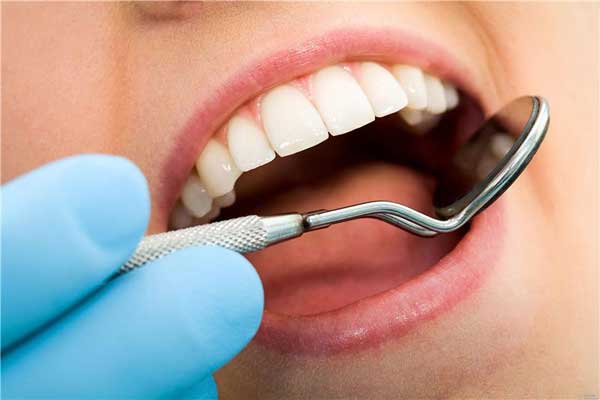
If you’ve ever lost a tooth, you likely know how expensive a dental implant can be.
If you haven’t, consider yourself lucky—and richer.
Replacing a single tooth can cost anywhere from $1,500 to $7,500, which is no big deal if you’ve got money like Tom Cruise (who, by the way, can thank ceramics for his million-dollar smile).
But I’m not Tom Cruise.
At age 29, I discovered that my #29 tooth (freaky, considering I was born on October 29!) was, in fact, a baby tooth with no adult molar beneath it. I further discovered that said baby tooth needed to vacate the premises.
My dentist recommended a dental implant, but when I found out how much that implant would cost, I laughed (all teeth—adult and otherwise—intact) and told him it was time for the less-expensive, and thus much more attractive, bridge.
But experts from the Autonomous University of Baja California (UABC) in Baja California, Mexico, are hoping to make dental implants equally attractive, more effective, and, more importantly, more affordable through the use of new materials.
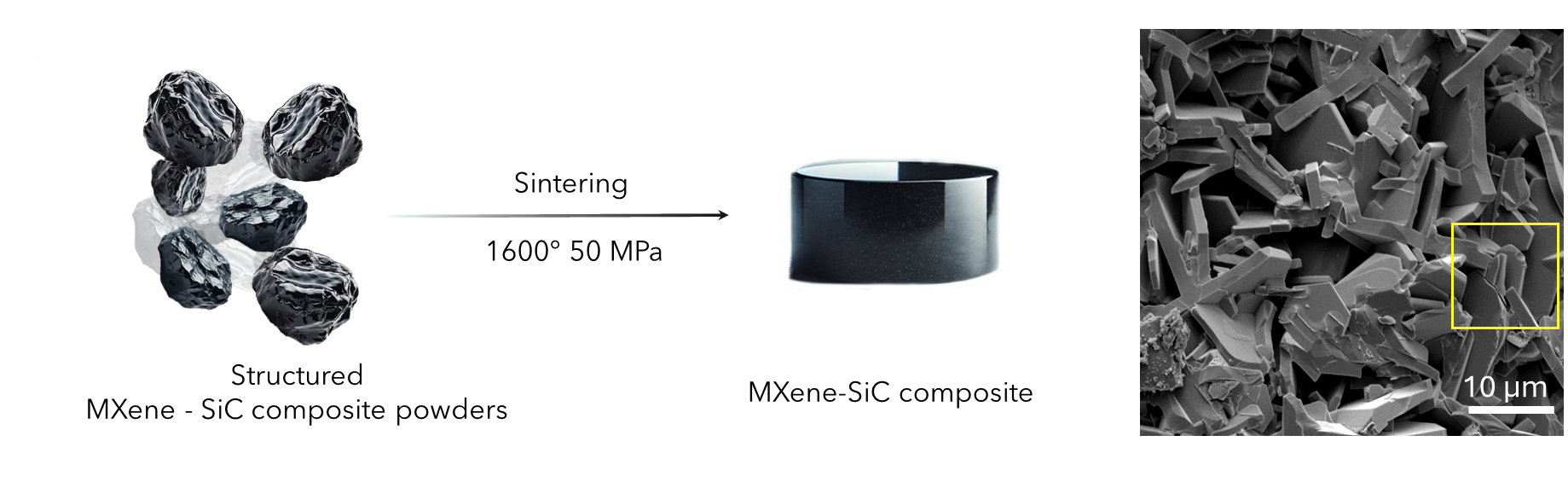
Their “new generation” dental implants are made from a ceramic-polymer blend—a mixture they say is not only more resistant to the impact of chewing and corrosion but costs less than traditional titanium implants.

Credit: Investigación y Desarrollo
“By optimizing the geometry and consistency of the implants we can ensure that they remain in place longer, but with a lower cost than the titanium implant,” says collaborator Mauricio Paz González, who is responsible for the project’s industrial design.
According to a press release, the team has tested and optimized the ceramic-polymer implant’s performance by simulating the repetitive chewing and grinding we inflict on our teeth. Doing so has allowed them to “ensure that the impact of stress is absorbed by the piece and not by the bone structure.”
In an effort to lessen stress on the bone structure during placement of the implant, researchers employed “mathematical simulations.” Additionally, they sought the help of vitamin D. Juan Antonio Paz González, who heads the project’s manufacturing processes, says that they hope to coat the pieces with the chemical, which would help to spur the growth of the bone tissue that surrounds the implant.

Credit: Investigación y Desarrollo
Once pilot tests have been completed, the UABC group plans to compare the lower-cost vitamin D-coated implants against more expensive traditional titanium pieces.
“Most people who require implants are older adults often find it impossible for a transaction of this nature to be affordable,” says head of research Luis Villarreal Jesus Gomez. “Additionally we seek to include vitamin D in the composition of dental implants, to achieve a better integration of the piece with the bone structure of the patient.”
For additional bioceramics news and discussion, consider joining ACerS Bioceramic-based Materials for Medical Devices and Regenerative Medicine Technical Interest Group.