
Posts by Lisa McDonald
Telescopic contact lenses and wink-controlled eyeglasses that magnify ‘on demand’ could aid the visually impaired
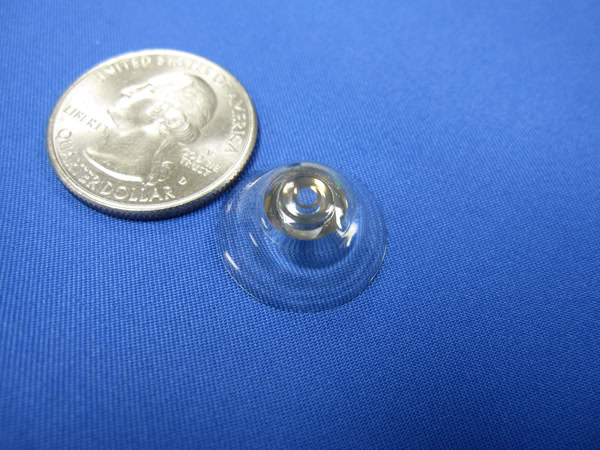
Researchers at Switzerland’s École Polytechnique Fédérale de Lausanne have developed a telescopic contact lens and wink-controlled smart glasses that could bring better, stronger sight to the visually impaired.
Read MoreOther materials stories that may be of interest
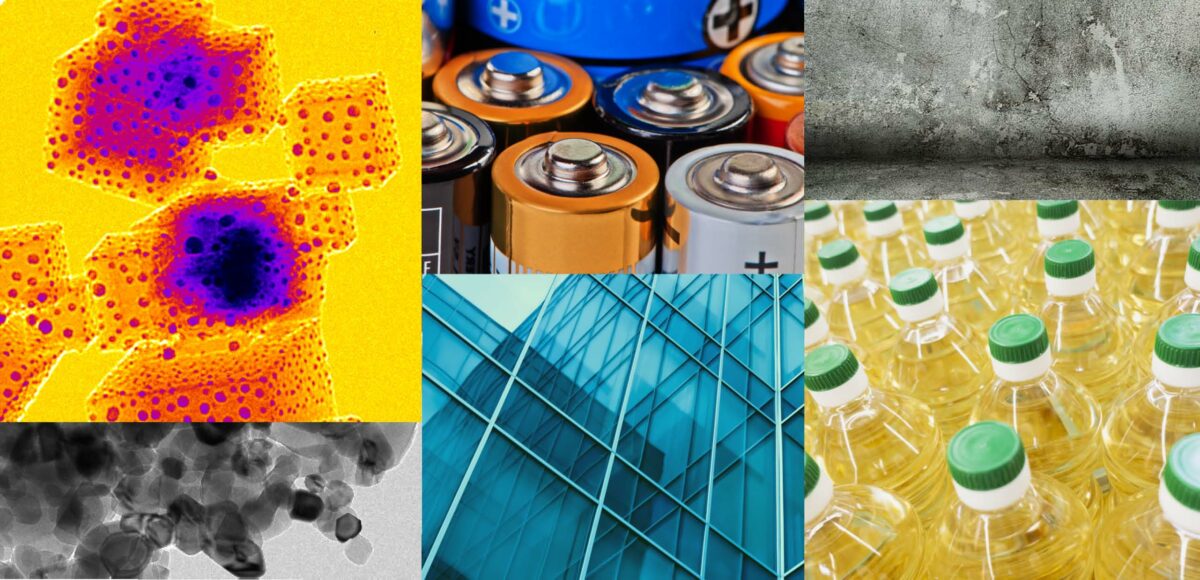
Developing stronger steel, world’s strongest material, rare earth assessment, and other materials stories that may be of interest for February 25, 2015.
Read MoreLocation, location, location: Atomic locales are critical for strong concrete
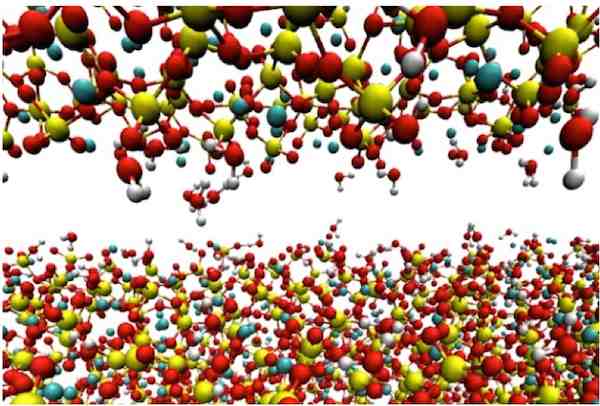
New research from Rice University shows how simulations can help advance the quest for better concrete, by modeling the atomic interactions within calcium-silicate-hydrate.
Read MoreOther materials stories that may be of interest
Making molybdenum disulfide, shrimp shell solar cells, Mars’ minerals, and other materials stories that may be of interest for February 24, 2015.
Read More3-D printed ceramic bricks combat heat through evaporative cooling
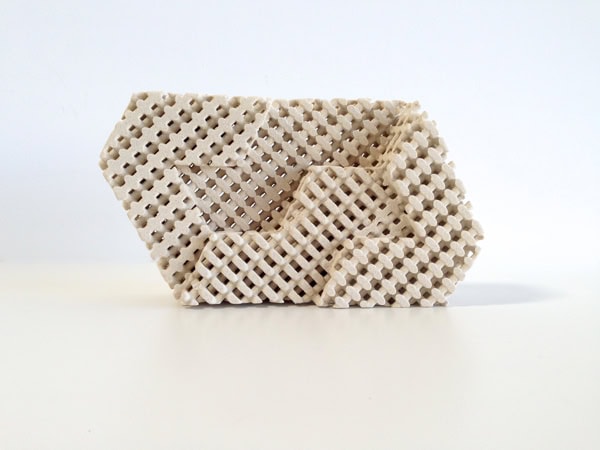
Emerging Objects’ Cool Brick combines age-old cooling system with 21st century technology to produce a 3-D printed brick that can cool a room with water.
Read MoreRefractories tame the flame to make it all possible

Watch this informative video from The Refractories Institute, “Taming the Flame,” to learn all about how refractories make it possible.
Read MoreCeramics and glass business news of the week

Inside Fuyao’s new glass factory, Samsung’s three-sided smartphone screen, advanced ceramics are into curling, and more ceramics and glass business news of the week for February 20, 2015.
Read MoreFire it up: March 2015 ACerS Bulletin—now available online—is all about refractories

The March issue of the ACerS Bulletin—now available online—is heating things up with a theme centered on all things refractories.
Read MoreSilicon carbide’s ‘superiority’ makes for promising silicon semiconductor substitute in high-performance sensors

Researchers at the Queensland Micro- and Nanotechnology Centre (QMNC) at Griffith University (Australia) have shown that silicon carbide’s “superiority” in not-so-superior conditions make the compound a promising substitute for silicon semiconductors in devices with mechanical and electrical sensors.
Read MoreOther materials stories that may be of interest
GE’s flexible factory, mapping crystal deformation for forensics, and other materials stories that may be of interest for February 18, 2015.
Read More