
Posts by Lisa McDonald
Other materials stories that may be of interest for July 26, 2023
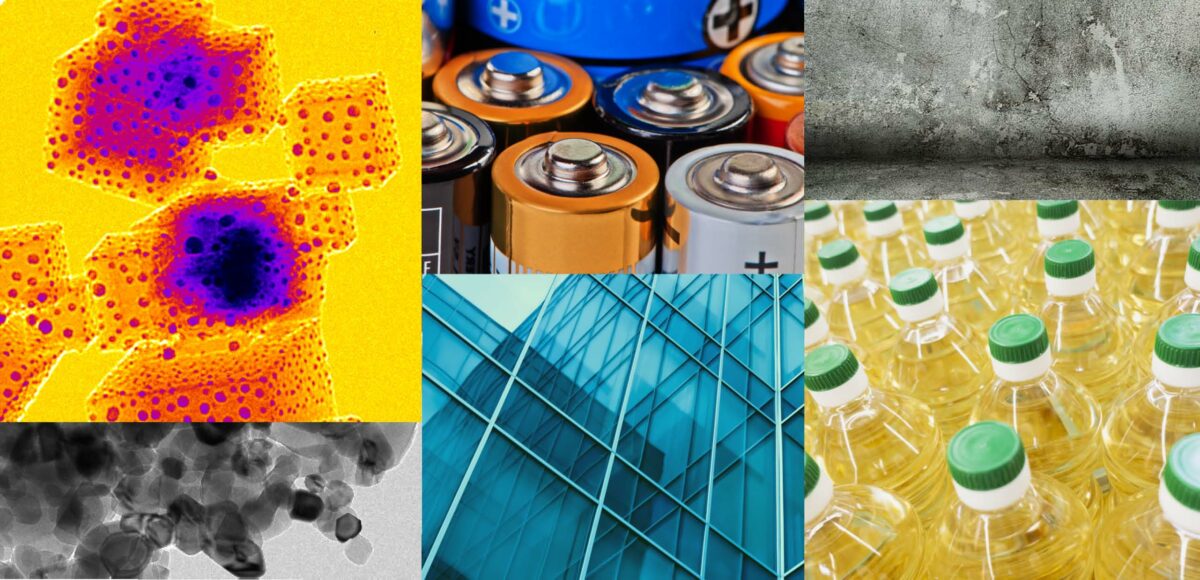
Creating carbon nanotubes on foil, mining minerals using algae, and other materials stories that may be of interest for July 26, 2023.
Read MoreHands-free defect engineering: Electric fields control motion of ceramic dislocations without need for mechanical loading
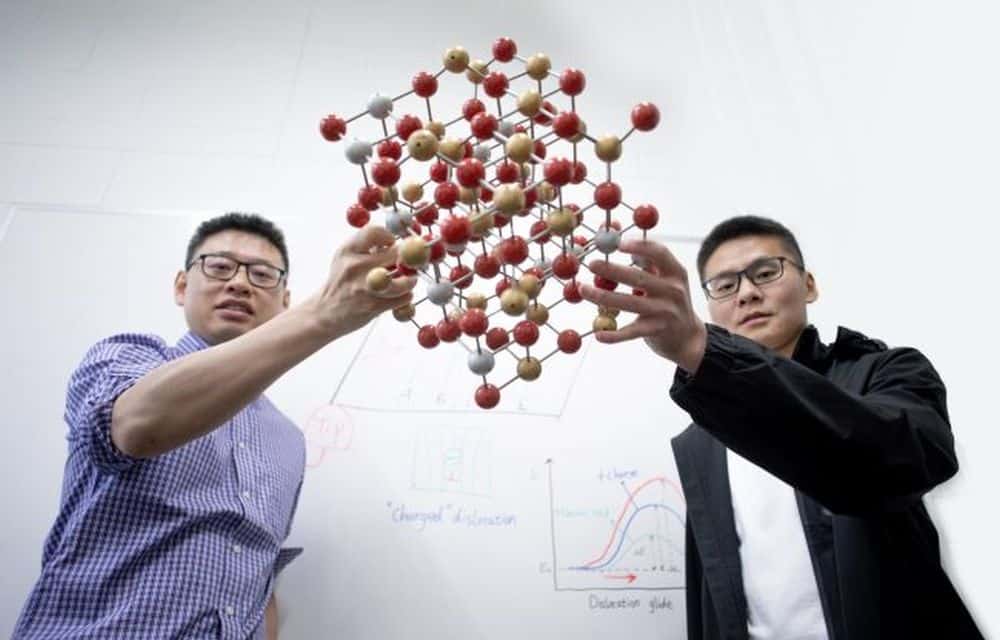
While some studies have demonstrated that electric fields and light exposure can affect the motion of dislocations in ceramics, the principal driving force of motion in these cases was mechanical stress. Now, an international group of researchers showed dislocation motion in a single-crystalline zinc sulfide can be controlled using only an external electric field.
Read MoreCeramic and glass business news of the week for July 24, 2023

SCHOTT conducts successful laboratory tests with 100% hydrogen, Japan steps up energy diplomacy with Middle East tour in push for ‘stable’ ties, and more ceramic and glass business news of the week for July 24, 2023.
Read MoreIntroduction to “Ceramic armor” for ACT @ 20

To celebrate the milestone of the 20th volume of the International Journal of Applied Ceramic Technology, the editorial team assembled a selection of journal papers representing the excellent work from the advanced ceramics community. The focus this month is ceramic armor.
Read MorePerovskite solar cells charge ahead to record-breaking efficiencies

The potential of perovskites as a photovoltaic material, both in combination with silicon and alone, is gaining steam. This CTT overviews some of the biggest advancements in this field in recent months.
Read MoreVideo: Year-long simulated Mars mission taking place in 3D-printed concrete habitat

Materials are not the only challenge to carrying out a successful space mission—the toll on a crew’s cognitive and physical performance must also be anticipated. In June 2023, NASA announced the start of its first year-long simulated Mars surface mission, which will take place within a 3D-printed concrete habitat.
Read MoreOther materials stories that may be of interest for July 19, 2023
Keeping nanosurfaces clean, irregularly arranged crystal structures, and other materials stories that may be of interest for July 19, 2023.
Read MoreExploring the possibility of glaze-induced degradation of tea catechins

Ceramics and glass are often considered to be inert materials, but such stability is not always the case. Researchers in Japan demonstrated that certain ceramic glazes could potentially degrade the catechins found in tea under specific laboratory conditions, though future studies would need to confirm the results in a more realistic setting.
Read MoreCeramic and glass business news of the week for July 17, 2023
ASU and Applied Materials to create Materials-to-Fab Center, Şişecam signs gender equality initiative, and more ceramic and glass business news of the week for July 17, 2023.
Read MoreEmbodied carbon of concrete in buildings: Large-scale study calls for more consistency and accuracy in reporting of carbon impacts

Players in the cement and concrete sectors are working diligently to achieve a reduction in emissions. However, there are multiple gaps in knowledge about the extent of these emissions, which makes it difficult to determine how effective new initiatives are at reducing emissions. A group of researchers from several universities in the United Kingdom are conducting a large-scale study to help fill this knowledge gap.
Read More