
Posts by Lisa McDonald
Ceramic and glass business news of the week for March 27, 2023

U.S. and Indonesia announce partnership on SMRs, U.S. Treasury to release EV battery sourcing rules, and more ceramic and glass business news of the week for March 27, 2023.
Read MoreLow-carbon cement technology heading from lab to market

The recent one-year anniversary of the National Science Foundation’s Directorate for Technology, Innovation, and Partnerships is a reminder of the federal government’s commitment to take a larger role in supporting the transition of use-inspired research from the lab to the marketplace. Ideally this support will allow more university researchers to follow in the footsteps of Sublime Systems, a spinout from the Massachusetts Institute of Technology that aims to commercialize a low-carbon cement technology.
Read MoreVideo: World Water Day 2023—how ceramics and glass accelerate change to solve the water and sanitation crisis

This year’s World Water Day on March 22 focuses on accelerating change to solve the water and sanitation crisis. Today’s CTT is a collection of articles from the past year that illustrate how ceramic and glass materials support this goal.
Read MoreOther materials stories that may be of interest for March 22, 2023
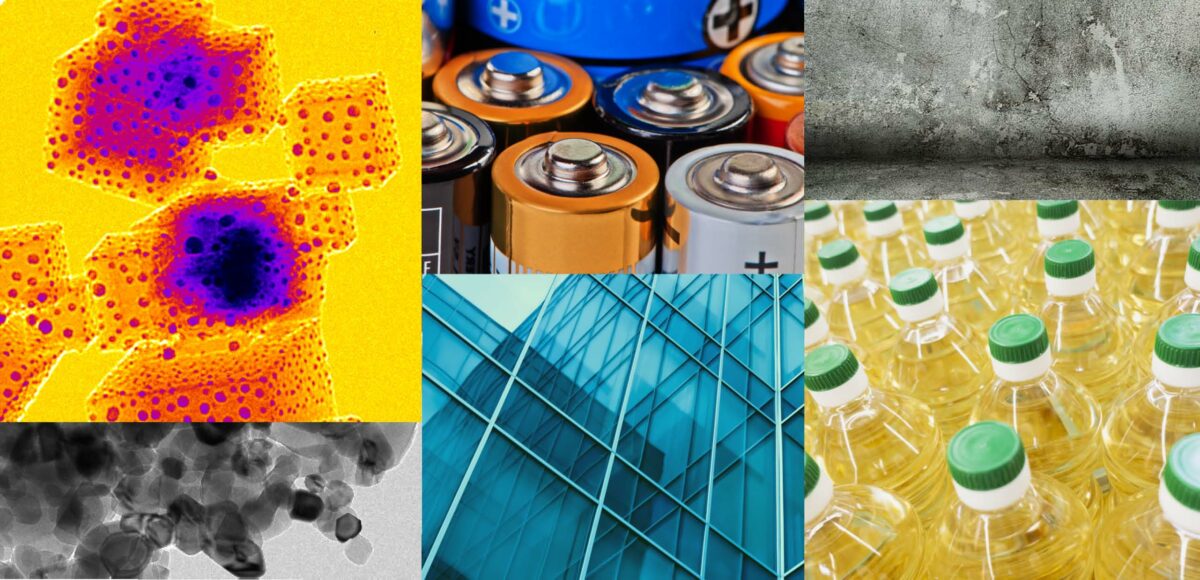
Sustainable plastics upcycling, stronger concrete, and other materials stories that may be of interest for March 22, 2023.
Read MoreFinding trees within the forest: Deep learning network detects individual carbon nanotubes in SEM images

For researchers to improve the properties of carbon nanotubes grown en masse, they must first be able to measure and characterize how individual nanotubes are assembled within carbon nanotube “forests.” In a recent paper, researchers at the University of Missouri outlined a deep learning technique to segment these forests in scanning electron microscopy images.
Read MoreCeramic and glass business news of the week for March 20, 2023
SCHOTT launches production of amber pharma glass in India, BIA celebrates 2022 Brick in Architecture Award winners, and more ceramic and glass business news of the week for March 20, 2023.
Read MoreAdsorption of complex pollutants: Designing hydrogarnets to remove humic substances from water

Humic substances are beneficial to agriculture, but they can aggravate pollution in water by interacting with disinfectants to produce toxic byproducts. Hydrogarnet has shown excellent potential as an adsorbent for humic substances, and researchers in Japan investigated the effects of heat treatments to control hydrogarnet composition and adsorption properties.
Read MoreThe rising potential of hydrogen fuel, plus more inside April 2023 ACerS Bulletin
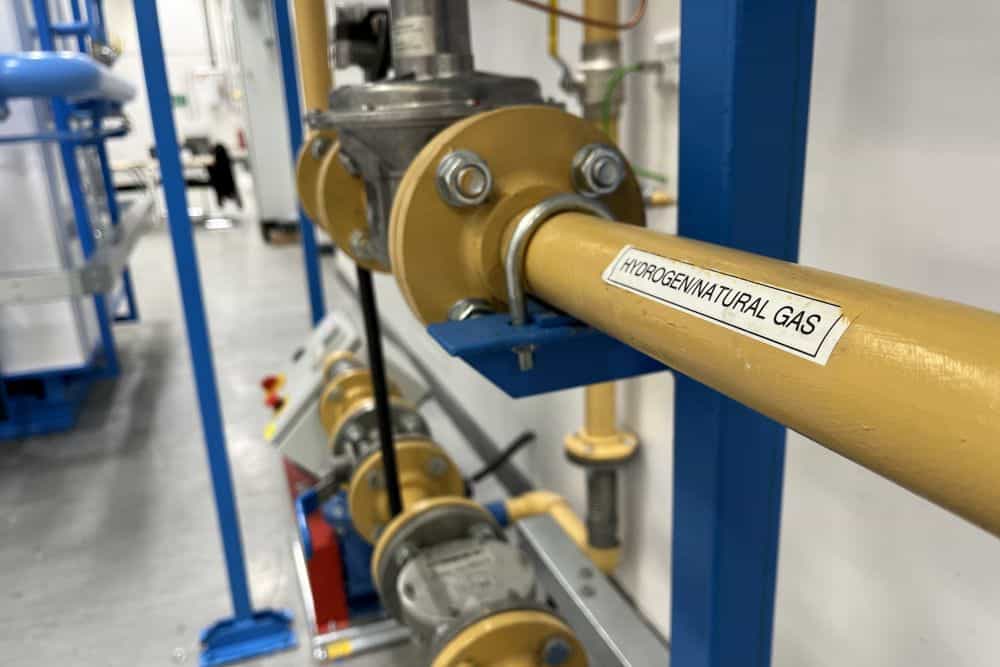
The April 2023 issue of the ACerS Bulletin—featuring the hydrogen market and industrial uses—is now available online. Plus—new C&GM.
Read MoreVideo: Multiyear study provides vast data on materials wear in marine energy technologies
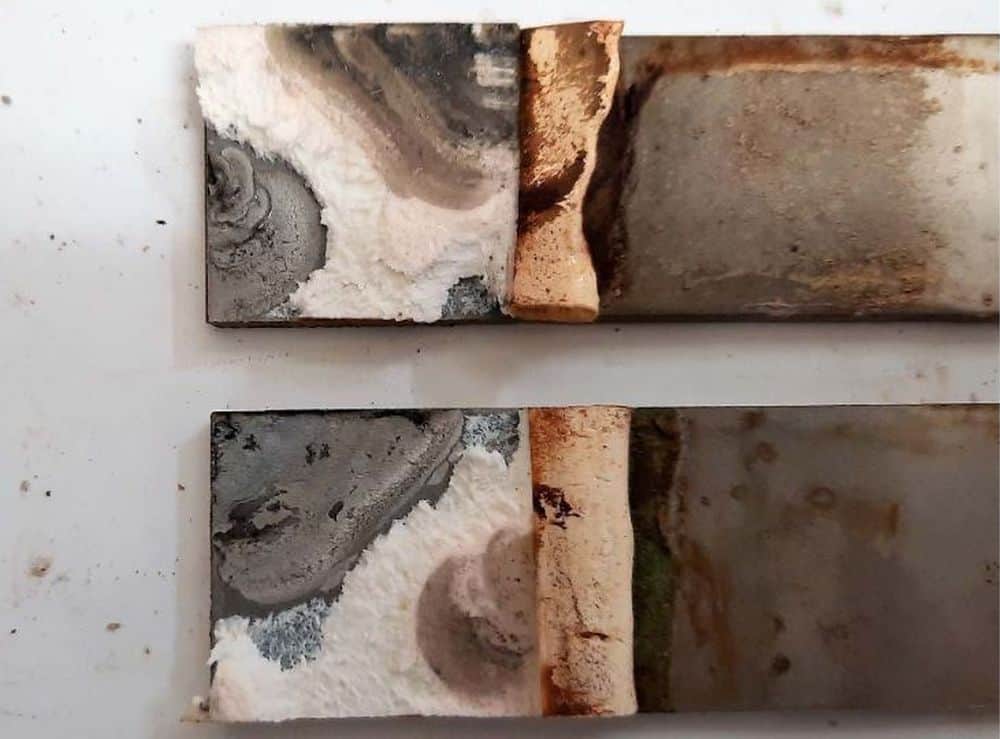
As marine energy technologies mature, there is a risk that companies will learn the hard way that their devices will not last long in salt water. A new multiyear study provides much-needed data on the benefits and pitfalls of about 300 different specimens built from materials commonly used in marine energy devices.
Read MoreOther materials stories that may be of interest for March 15, 2023
Graphene’s antimicrobial potential, monolayer honeycomb SiC, and other materials stories that may be of interest for March 15, 2023.
Read More