
Posts by Lisa McDonald
Ceramic and glass business news of the week for September 19, 2022

Africa’s first hydrogen power plant to start producing electricity in 2024, NIST and Google to create new supply of chips for researchers and tech startups, and more ceramic and glass business news of the week for September 19, 2022.
Read MoreThermo Fisher Scientific in conjunction with ACerS presents ‘Strategy = Success: Navigating NSF Funding Proposals’

Strategy = Success: A Look Through Experienced Eyes for Navigating NSF Funding Proposals Sponsored by: ACerS Corporate Partner Thermo Fisher…
Read MoreUltrafast high-temperature sintering offers rapid, pressureless production of high-quality glasses
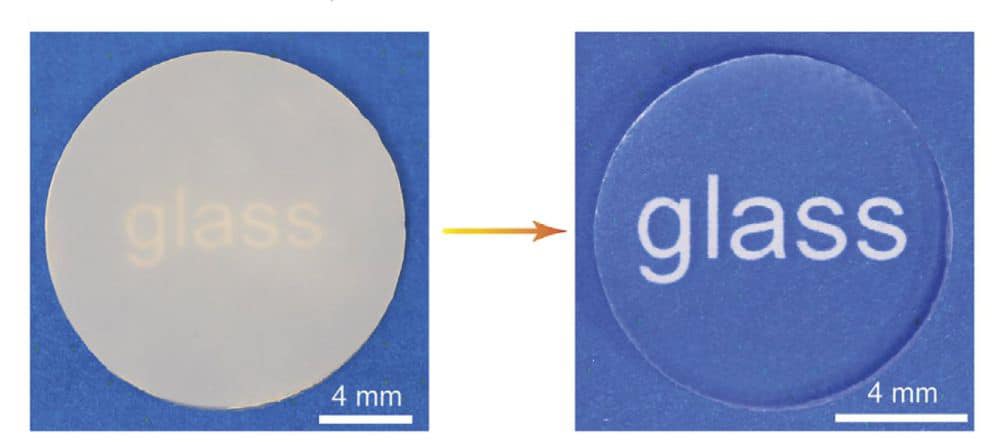
In 2020, researchers led by the University of Maryland developed an ultrafast high-temperature sintering method to achieve rapid, pressureless sintering of ceramics. Now, they and colleagues from Alfred University and the University of California, San Diego used this method to fabricate high-quality silica glass.
Read MoreVideo: Approval of industrial seafloor mining trial elicits scrutiny from marine scientists and journalists

On Sept. 7, 2022, Canadian mining startup The Metals Company announced the International Seabed Authority greenlit their plan to conduct an industrial seafloor mining trial to extract polymetallic nodules. While marine scientists are concerned about the environmental effects of deep-sea mining in general, an investigative report by The New York Times questions the choice of The Metals Company to conduct this trial.
Read MoreOther materials stories that may be of interest
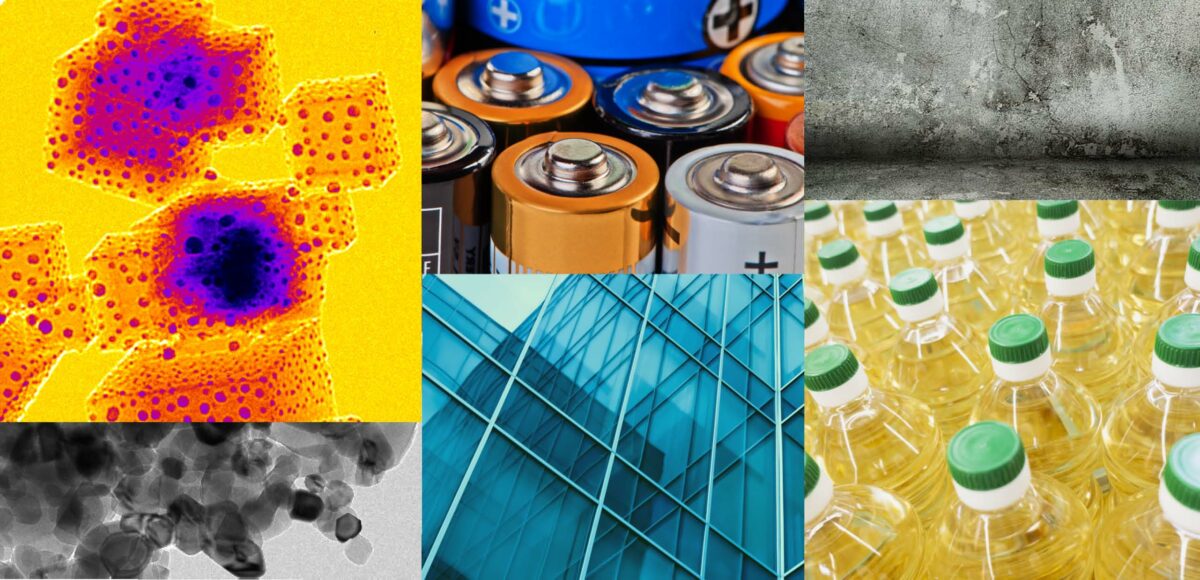
Ceramics improve MRIs, 3D printing on Mars, and other materials stories that may be of interest for September 14, 2022.
Read MoreOSTP public access policy memo stirs the scholarly publishing world

On Aug. 25, 2022, the White House Office of Science and Technology Policy released new policy guidance recommending that publications and their supporting data resulting from federally funded research be made immediately free and accessible to the public without an embargo period starting Jan. 1, 2026. To better contextualize this decision and the response by scholarly publishers, this CTT provides a brief history of the evolution of scholarly publishing and the push for open access.
Read MoreCeramic and glass business news of the week for September 12, 2022
Wolfspeed selects North Carolina for world’s largest silicon carbide materials facility, Forglass partners with Mexican machinery supplier to expand into Central America, and more ceramic and glass business news of the week for September 12, 2022.
Read MoreIntroduction to “Molecular dynamics simulations” for Glass: Then and Now
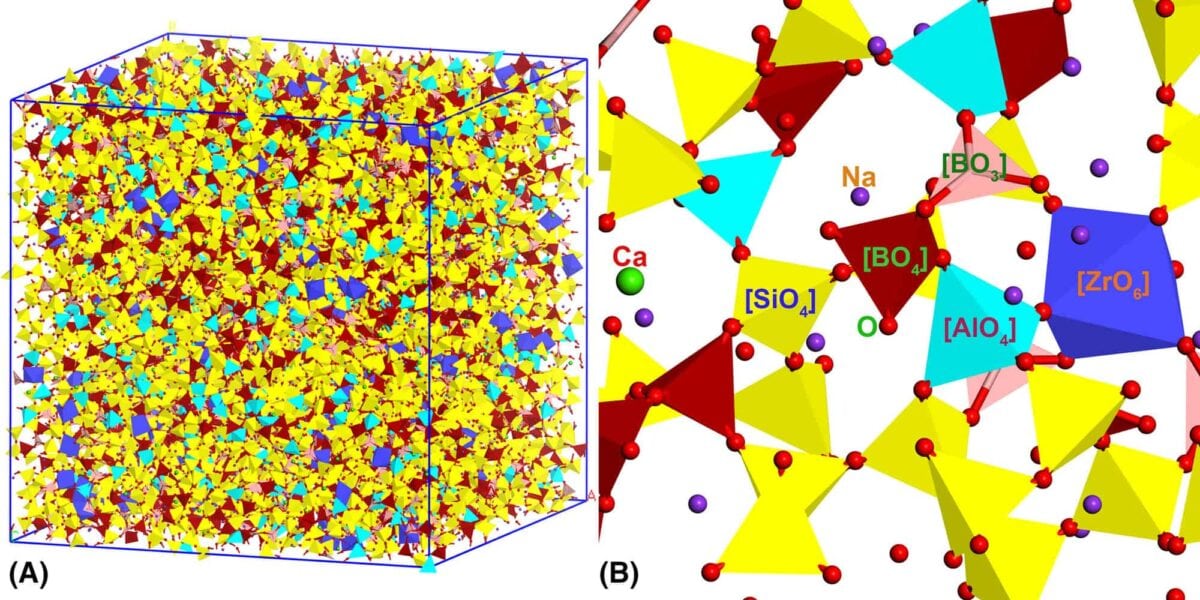
As part of the IYoG celebrations, ACerS’ “Glass: Then and Now” series is highlighting ACerS journal articles each month that support advancement in glass science and technology. The focus this month is molecular dynamics simulations.
Read MoreEnsuring safe production of metal goods: A review of alumina spinel castables for steel ladles
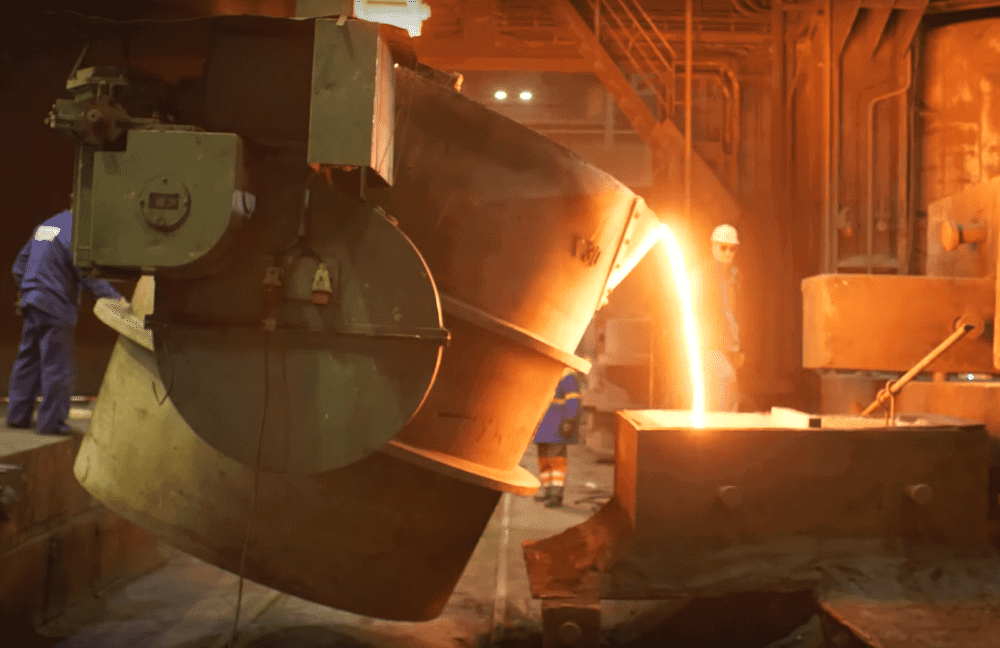
Alumina spinel castables play an important role in the steel industry as lining for the ladle sidewalls and bottom. A new review paper published in International Journal of Applied Ceramic Technology provides a detailed overview of these castables, including how various parameters affect their properties and performance.
Read MoreVideo: Tactile graphics enable universal visualization of data
The inclusion of students with visual impairments in chemistry courses requires explicit and systematic effort. Researchers led by Baylor University explored creating lithophanes featuring data found in the chemical sciences to make scientific data accessible to everyone regardless of eyesight level.
Read More