
The Bioceramics Young Scholar Award recognizes excellence in research among current degree-seeking graduate students and postdoctoral research associates.
Nomination Process
A letter from a faculty advisor or postdoctoral advisor verifying compliance to this rule must accompany the application.
All applicants are required to submit two abstracts:
- Submit one short abstract to a bioceramics-focused symposium via the MS&T abstract submission site. The short abstract will be used for organizing the technical program of the MS&T meeting.
- Submit a second, extended abstract (2,000 words maximum plus figures and tables) to the bioceramics division chair for evaluation by the division’s awards committee. The extended abstract should contain a summary of the nominee’s work (approximately 2,000 words plus figures) relevant to the interests of the division.
The nomination profile should also include:
- Nominee’s latest CV
- Two supporting letters
The award will be presented at the ACerS Annual Meeting/MS&T. All Young Scholar Award applicants are expected to submit an abstract for either a poster or an oral presentation in a bioceramics-focused symposium at the meeting.
The award winner will present an invited oral presentation at a bioceramics-focused symposium at the MS&T conference. The awardee shall receive a certificate, glass piece, and complimentary registration.
The deadline for nominations is January 31 in the year preceding the MS&T conference.
Contact
Nominations, including a written statement of the nominee’s qualifications and contributions, should be sent to the division chair:
Ashutosh K. Dubey
Indian Institute of Technology (BHU)
Award Winners
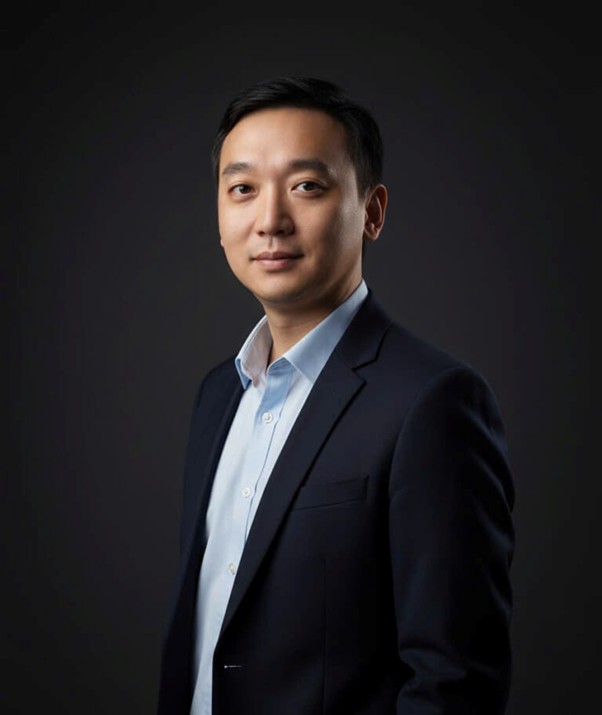
Ngoc Huu Nguyen
Dr Ngoc Huu Nguyen is a Research Associate at Flinders University, Australia. He completed his PhD in Biomedical Engineering at The University of Sydney, where his research focused on antibacterial bioceramic scaffolds and coatings for orthopaedic implants. His work integrates bioceramic chemistry, nanotechnology, plasma/surface engineering, microbiology, and osteoimmunology to develop multifunctional implant interfaces that prevent infection and promote bone regeneration. He has published in journals including Advanced Functional Materials, Materials Today Bio, and Advanced NanoBiomed Research, and has received recognition through ASBTE and SydneyMSK presentation awards. His current research advances fourth-generation bioceramics for infection-resilient and regenerative cranial and orthopaedic implants.