
Fellows represent the values of the Society and recognize strong and sustained contributions to the ceramics community. Any Society member who has reached their 35th birthday and who has been a member of the Society for at least five years continuously at the established nomination deadline date when nominated* is eligible for consideration, but the population of Fellows should never exceed 10% of the total membership of the Society. Candidates shall prove qualified for elevation to the grade of Fellow by reason of outstanding contributions to the ceramic arts and/or sciences community through some combination of: broad and productive scholarship in ceramic science and technology, conspicuous achievement in ceramic industry, and/or outstanding service to the Society.
Awardees receive an engraved plaque to be awarded at the Annual Meeting.
*In computing length of continuous SOCIETY membership for the purpose of determining award eligibility and special memberships, gaps of less than 12 months will be ignored.
Nomination Process
What is required to be considered? Exceptional contributions of a scientific, technical, artistic, educational, and/or service. The nomination should clearly communicate how the candidate’s contributions are greater than those of at least 90% of Society membership.
The nominee and/or a sponsor should complete the online Fellow Nomination Form in the awards portal. Electronic signatures of seven co-sponsors, who are Society members, are required, not including the nominee. In addition, up to three members may provide letters of support of no more than one page each.
A lead sponsor typically:
i. Completes the online nomination form (often with assistance from the nominee).
ii. Identifies and invites 6 additional co-sponsors; each provides a signature in support of the nomination.
iii. Solicits up to 3 letters of support of no more than 1 page from other members or non-members who can speak to the exemplary value of the nominee to the ceramics community.
The population of Fellows should never exceed 10% of the total membership of the Society. Nomination packages will remain active for 5 years from initial submission and can be updated each year by the nominator.
Helpful hints for preparing a nomination:
i. The nominee and all seven of the required sponsors must be active members of ACerS.
ii. Scanned, copied, and electronic signatures may be sent on individual forms.
iii. To check on the membership eligibility of a nominee or for a list of active nominations, contact Erica Zimmerman at ezimmerman@ceramics.org.
iv. One (1) page support letters may be submitted by up to three (3) members or non-members.
v. If a nominee has an active nomination with additional accomplishments since the time the original nomination was submitted, sponsors may send an update for consideration.
Contact
Erica Zimmerman
ezimmerman@ceramics.org
Award Winners
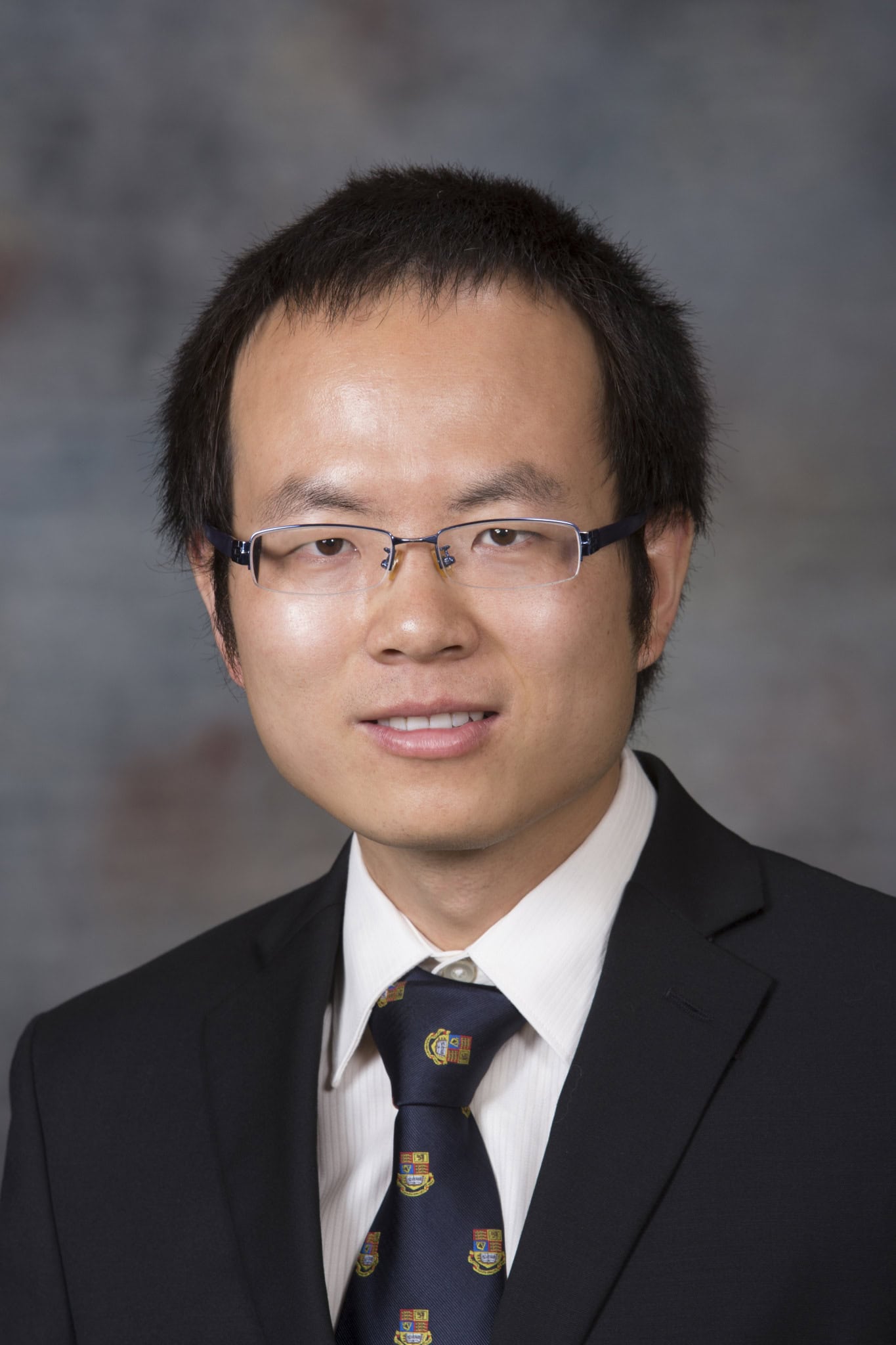
Bai Cui
Dr. Cui is an internationally recognized leader in compositionally complex carbides (CCC) and advanced ceramic manufacturing, whose research has helped define the field of CCC for extreme-environment applications. He co-authored the first peer-reviewed publication on “high-entropy” CCC, establishing a foundational research direction that has since shaped global scholarship. His subsequent investigations into irradiation damage mechanisms provided critical insights into defect evolution, irradiation hardening, and thermal transport, demonstrating the exceptional radiation tolerance of these materials and advancing their relevance for nuclear energy systems. In parallel, Dr. Cui has driven transformative manufacturing innovations, including the development of a novel selective laser sintering process for additive manufacturing of CCC (recognized with the Rising Star Award) and the invention of a patented high-temperature laser shock peening system that enhances ceramic hardness and fracture toughness. He received the Global Star Award, the Global Ambassador Award and R&D 100 Award, and two of his publications rank among the top-cited articles in Journal of the American Ceramic Society (JACerS).
Beyond research, Dr. Cui has demonstrated sustained leadership within ACerS. Progressing through the Manufacturing Division from Secretary to Chair, he played a pivotal role in establishing the Division as one of the six founding divisions of the inaugural ACerS Spring Meeting in 2026, elevating its prominence within the Society. He has founded and led multiple flagship symposia at ICACC, MS&T, PACRIM, and EMA, strengthening international collaboration among academia, national laboratories, and industry. As a member of the ACerS Meetings Committee, he has helped shape the Society’s technical direction and professional engagement. His service as Associate Editor of JACerS, recognized with the Outstanding Associate Editor Award, further reflects his impact on the ceramic community.

Matthew D’Ambrosia
Dr. Matthew D’Ambrosia is a consultant and educator with over two decades of experience in cementitious materials. As Principal and Co-Founder of MJ2 Consulting, he has led the firm’s emergence as an industry leader in materials engineering and forensic investigation. His technical expertise spans the lifecycle of concrete infrastructure—from low-clinker sustainability strategies to the mitigation of complex volume changes—and he has served as a consultant on iconic global projects including tall buildings and dams.
Dr. D’Ambrosia’s academic and professional contributions are deeply integrated. He holds a PhD from the University of Illinois at Urbana-Champaign and serves as an Adjunct Professor at Northwestern University, bridging the gap between theoretical research and practical construction applications. A Fellow of the American Concrete Institute and 2025 ASCE Construction Engineering Person of the Year, he remains at the forefront of code development and industry standards.
Dr. D’Ambrosia’s research and industry contributions have advanced understanding of durability in concrete structures. His doctoral research on creep, shrinkage, and cracking has served as the foundation for a career dedicated to high-stakes civil projects. D’Ambrosia has translated this research into practical applications for service life improvements and implementation of performance-based specifications.
His commitment to the ACerS Cements Division is a hallmark of his career. Since attending as a graduate student in 2000, he has missed only a few meetings over the past quarter-century. Since 2013, he has provided continuous leadership to the Division, as Co-Chair of four annual meetings and progressing through the Executive Committee. Now a Life Member and serving as Division Trustee, Dr. D’Ambrosia’s career exemplifies the transition from student mentee to industry expert, dedicated to advancing the excellence of the ACerS Cements community.
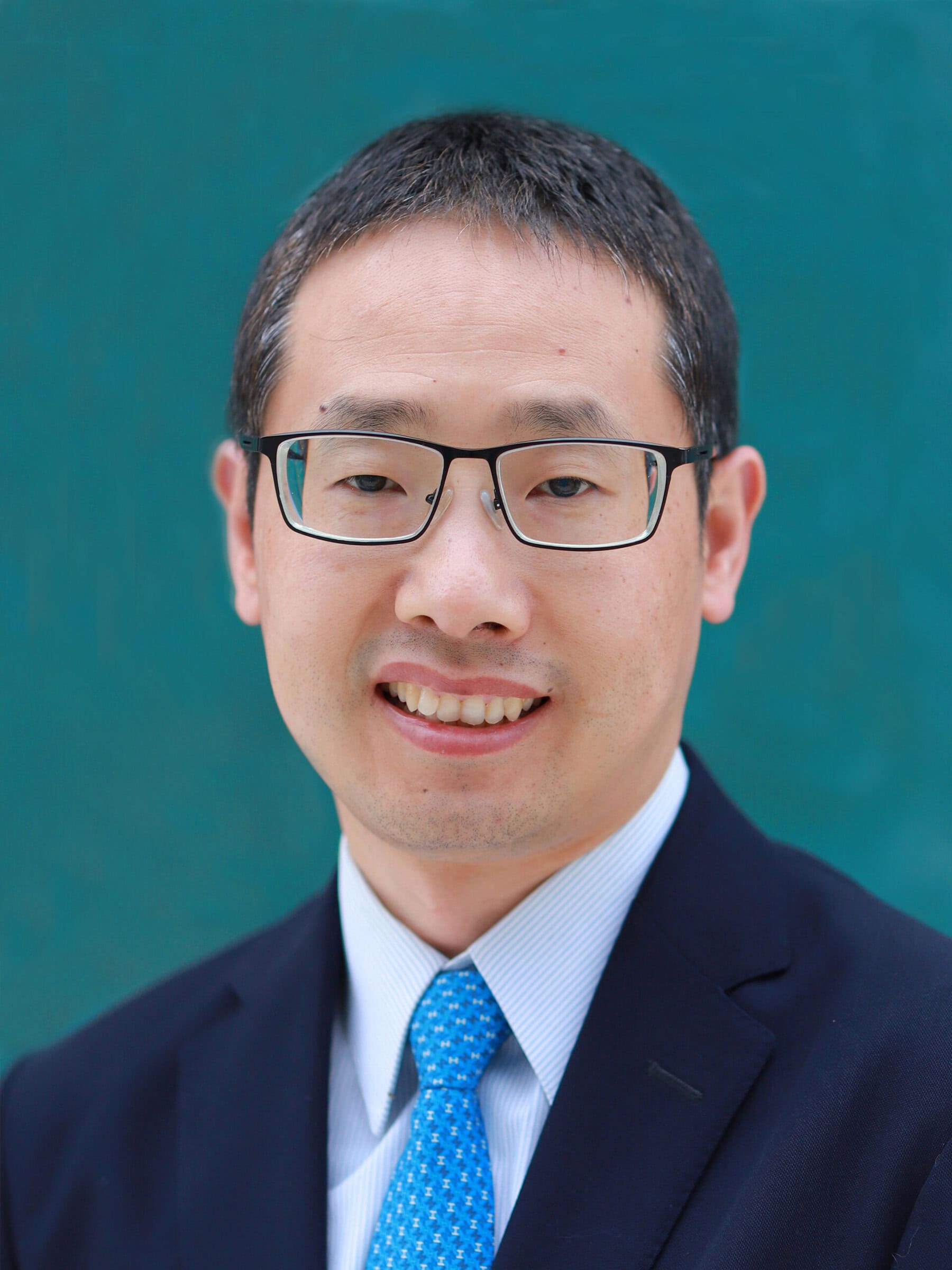
Qiang Fu
Dr. Qiang Fu is a Principal Scientist at Corning Incorporated. He received his B.S. and M.S. degrees in Materials Science from Tongji University (Shanghai, China), and a Ph.D. in Ceramic Engineering from Missouri University of Science and Technology (Rolla, MO). He conducted his postdoctoral research at the Lawrence Berkeley National Laboratory (Berkeley, CA) before joining Corning Incorporated in 2011. He has served as an editor for the Journal of the American Ceramic Society since 2023.
Over the course of his career, Qiang’s research has focused on bioactive glass and ceramics, chemically strengthened glass and glass-ceramics, and processing and mechanical properties of functional materials. He has published more than 70 peer-reviewed papers. He is an inventor or a co-inventor of over 70 granted U.S. patents. In collaboration with his colleagues, he has invented/co-invented novel glass and glass-ceramic compositions for Corning® Gorilla® Glass and other areas of businesses.
Qiang was the Program Chair of the GOMD 2023, and has organized eight bioactive glass-related symposia at major conferences, including ICG, GOMD, and MS&T. From 2017 to 2021, he was a committee member of ACerS Diversity & Inclusion Subcommittee; and he currently serves on the ACerS Rishi Raj Medal Subcommittee.
Qiang is highly recognized for his scientific achievements both within and outside Corning, receiving multiple awards over the last decade including: the American Ceramic Society’s Tadashi Kokubo Award in 2024 and the Darshana and Arun Varshneya Frontiers of Glass Technology Lecture Award in 2022; the Woldemar A. Weyl International Glass Science Award from ICG in 2016; the S. Donald Stookey Award from Corning Incorporated in 2016; the Elsevier Materials Science and Engineering C Young Researcher Award in 2013.
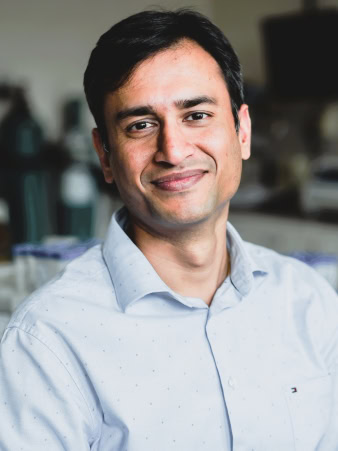
Ashutosh Goel
Dr. Ashutosh Goel earned his B.S. (Hons.) and M.S. (Hons.) in Physics from Guru Nanak Dev University, India. He completed his Ph.D. in Materials Science and Engineering at the University of Aveiro, Portugal, in 2009. He joined the Department of Materials Science and Engineering at Rutgers University as a faculty member in 2014.
Before joining Rutgers, Dr. Goel worked as a Materials Scientist at Pacific Northwest National Laboratory in Richland, WA, and Senior Research Scientist specializing in Optical Fibers at Sterlite Technologies Ltd. in Aurangabad, India.
Dr. Goel has authored or co-authored over 100 research articles in leading international journals and holds several U.S. patents. He serves as an Associate Editor for both the Journal of the American Ceramic Society and the International Journal of Applied Glass Science. He is also on the editorial board of the Journal of Non-Crystalline Solids and actively reviews for numerous scientific journals.
Additionally, Dr. Goel has served as the chair of the Bioceramics division of the American Ceramic Society and the International Commission on Glass (ICG) Technical Committee on Hazardous Waste Vitrification (TC05). His impactful contributions to glass science and engineering have been recognized with prestigious honors, including the 2017 Vittorio Gottardi Prize (ICG), the 2021 W.H. Zachariasen Prize (Journal of Non-Crystalline Solids), and the 2023 Tadashi Kokubo Award (American Ceramic Society).
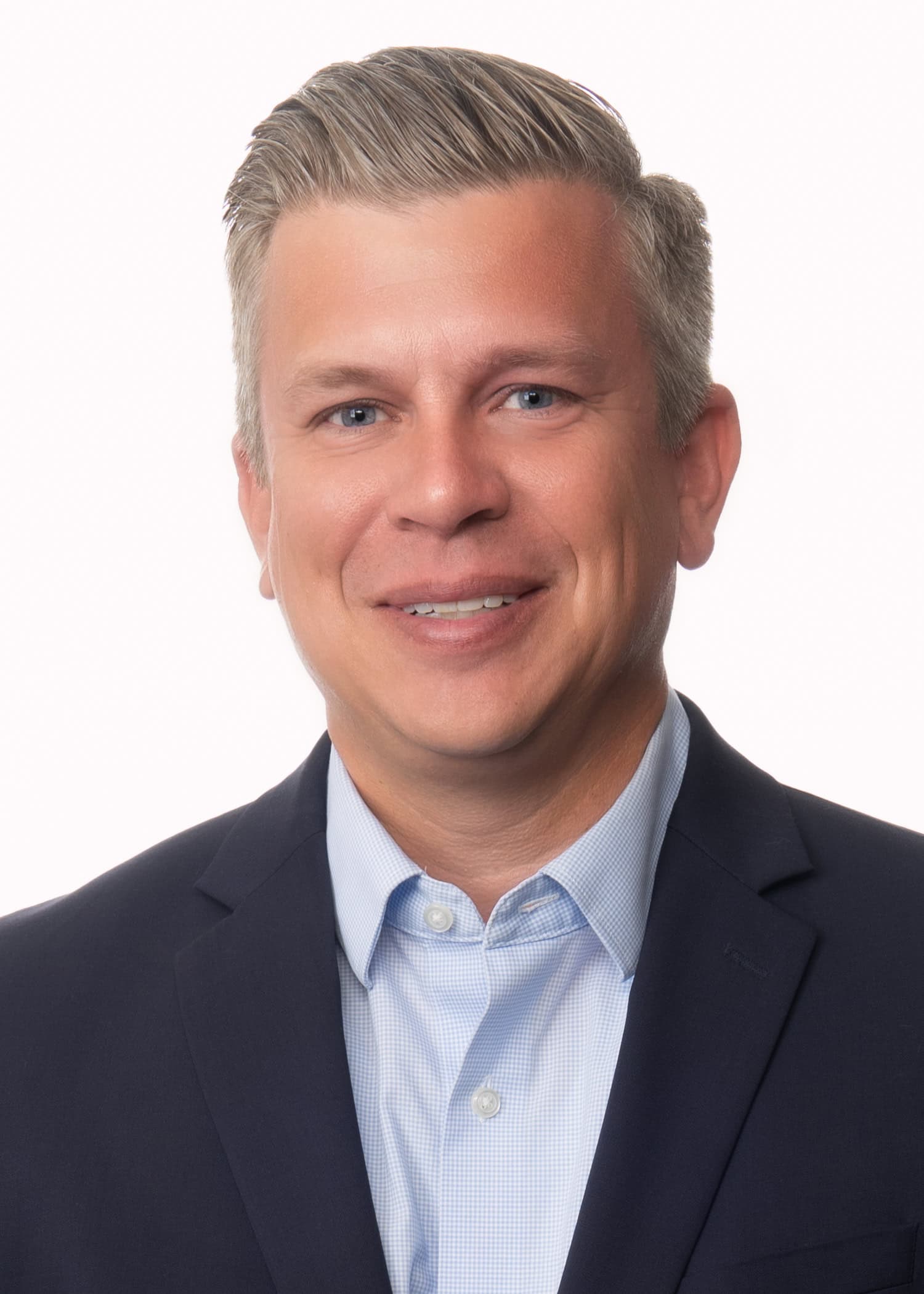
Timothy Gross
Tim is the research and development director for Inorganic Materials at Corning Incorporated. The Inorganic Materials group was formed in 2024 during a reorganization of the Science and Technology Division and combines the former Glass Research, Glass Development, and Crystalline Materials Research groups. Tim’s team is responsible for the invention and optimization of new glasses and ceramics for all of Corning’s business divisions.
Tim was promoted to Research Fellow at Corning in 2017 for his technical achievement. Tim was the fastest to achieve promotion to Research Fellow in Corning’s history, doing so in 9 years. He is recognized as an expert in both fracture mechanics and glass formulation. Tim’s work on mechanics of ion-exchangeable glass has resulted in the invention of six versions of Corning® Gorilla® Glass for mobile devices. He is also credited as the principal inventor of Corning® Bendable Glass used in foldable devices. Tim also invented Corning® Fusion5® glass, an automobile windshield glass specifically designed to be break-proof against rock strikes. In glass ceramic space, Tim invented Corning® Guardiant®, an antimicrobial material that kills ≥ 99.9% of bacteria and viruses while maintaining long-term effficacy. Tim’s talent for inventing new materials has resulted in 171 United States Patents. Recently, Tim has invented a new family of glasses that can be strengthened by exposure to steam. This unique family of glass reacts with water vapor to form a deep hydroxyl profile that results in stresses comparable to ion-exchanged glasses. His published research shows that these glasses are capable of exceeding the mechanical performance of ion-exchanged soda-lime. Furthermore, the strengthening process is considered “green” relative to ion-exchange due to low energy usage, ease of recycling, and less waste byproduct.
At Corning, Tim has received numerous internal awards including winning the Stookey Award for outstanding exploratory research, given for his work on damage resistant and ion-exchangeable glasses. He has twice won the outstanding external publication award; in 2019 for the Nature Communications paper “Copper-containing glass-ceramic with high antimicrobial efficacy and in 2022 for the Journal of the American Ceramic Society paper “Glasses with hydration-induced stress profiles”. He has also won the 2020 outstanding internal publication award and the 2023 EDGE award for outstanding contribution that enables an Ethnically Diverse Group of Employees.
His external awards include the 2025 American Ceramic Society Stookey Discovery Award and the 2026 American Ceramic Society Darshana and Arun Varshneya Frontiers of Glass Technology Award. Tim was also awarded the 2020 Society for Information Display component of the year award for Autograde® Corning® Gorilla® Glass with Corning® Coldform® Technology.
He has given 15 talks in ACerS Glass and Optical Materials Division meetings and has also co-authored another 18 ACerS GOMD talks given by junior scientists on his team. In a director role at Corning over the past 5 years, he has been a strong proponent of participation from his group members. From 2020-24, Tim was a session organizer and chair for the Mechanical Properties of Glass session. His participation as a chair for this session dates back to 2015. Tim presently serves in the ACerS Finance Committee.
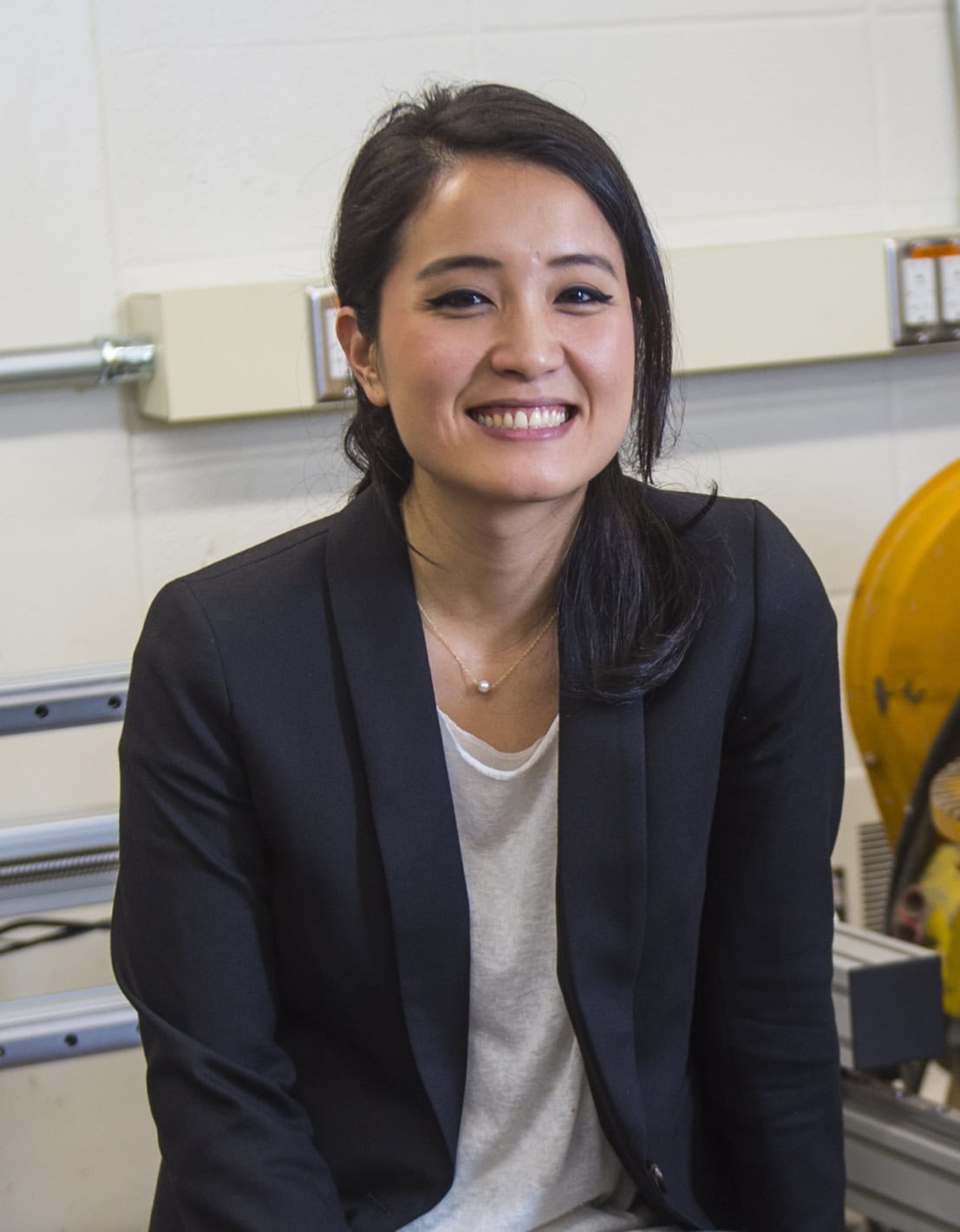
Shiho Kawashima
Shiho Kawashima is an Associate Professor of Civil Engineering and Engineering Mechanics at Columbia University. Her research interests include cement rheology and processing, alternative cement chemistries, CO2 mineralization, and earth-based materials. She is an active member of the American Concrete Institute (current Editor-in-Chief of ACI Materials Journal and Chair of Technical Committee 236 Materials Science of Concrete), ACerS (past Cements Division Chair, 2020 – 2022), and RILEM (current member of Technical Committees Magnesia-based Cements (MBC) and Processing of Earth-based Materials (PEM); Associate Editor of RILEM Technical Letters). She has 77 peer-reviewed publications in top journals, including Cement and Concrete Research, Cement and Concrete Composites, Materials and Structures, Journal of Rheology, PNAS, and Matter. She serves on multiple editorial boards, including Cement and Concrete Research, and is currently serving as a Guest Editor for Special Issues in Materials and Structures and Journal of the American Ceramics Society. Kawashima has received funding from multiple federal agencies, including National Science Foundation(NSF), US Department of Transportation (DOT), State DOT, and New York State Energy and Research Development Authority (NYSERDA), and industry. Research, service and teaching recognitions include the NSF CAREER (2017), ACerS Cements Division Early Career Award (2022), ACerS Global Ambassador Award (2024), American Association of State Highway and Transportation Officials (AASHTO) High Value Research (HVR) Honorable Award (2025), and the Columbia University School of Engineering and Applied Science Edward and Carole Kim Faculty Involvement Award (2020). Kawashima received her B.S. in Civil Engineering at Columbia University, and her M.S. and Ph.D. in Civil Engineering at Northwestern University. She joined Columbia University as an Assistant Professor in 2013.
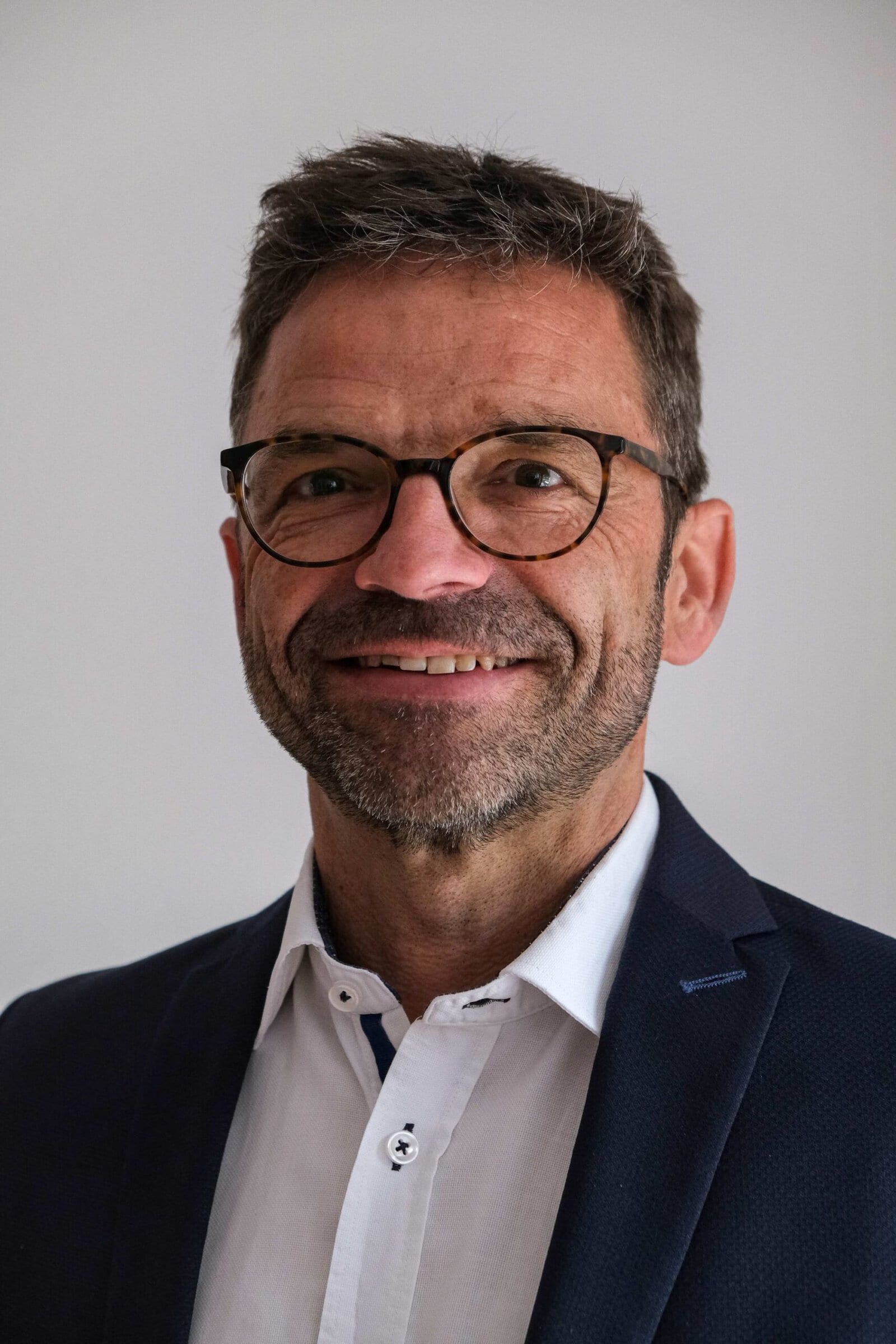
Dietmar Koch
Dr.-Ing. Dietmar Koch, graduated from University of Karlsruhe (now KIT) and finished his PhD in 1994. Then he joined University of Bremen as Research assistant, senior scientist, and vice head of institute of Advanced Ceramics under guidance of Prof. Grathwohl. He was responsible for technical fields of polymer derived porous ceramics, fiber reinforced ceramics and bioceramics. In 201, he joined German Aerospace Center DLR in Stuttgart as Head of Department of Ceramic Composites and Structures. In 2014, he became Vice Director of the Institute of Structures and Design. In 2015, he additionally became full Professor at KIT. In 2019, he joined University of Augsburg as full professor and Head of Chair of Materials Engineering at the Institute of Materials Resource Management. Since 2023, he is Managing Director of the Institute of Materials Resource Management. Since 2007, he is officially head of the national working group “Tough Ceramics” of German Ceramic Society (DKG) and German Society of Material Science (DGM) and Composites United (CU). This working group represents the German ceramic matrix composites community. Since 2012, he is Member of Board of Ceramic Composites in Composite United e.V. and Chairman of the board since 2021. His research focusses on development, characterization and simulation of ceramic matrix composites (CMC) and on resource efficient and sustainable development of CMC. He is supervising and co-supervising actually 16 ongoing PhD students while 18 have finished. He is Associate Editor of the International Journal of Applied Ceramic Technology, he is (co-)author of 144 papers, has been cited 2382 times and has a h-index of 27 (according to Scopus, Feb. 2025).
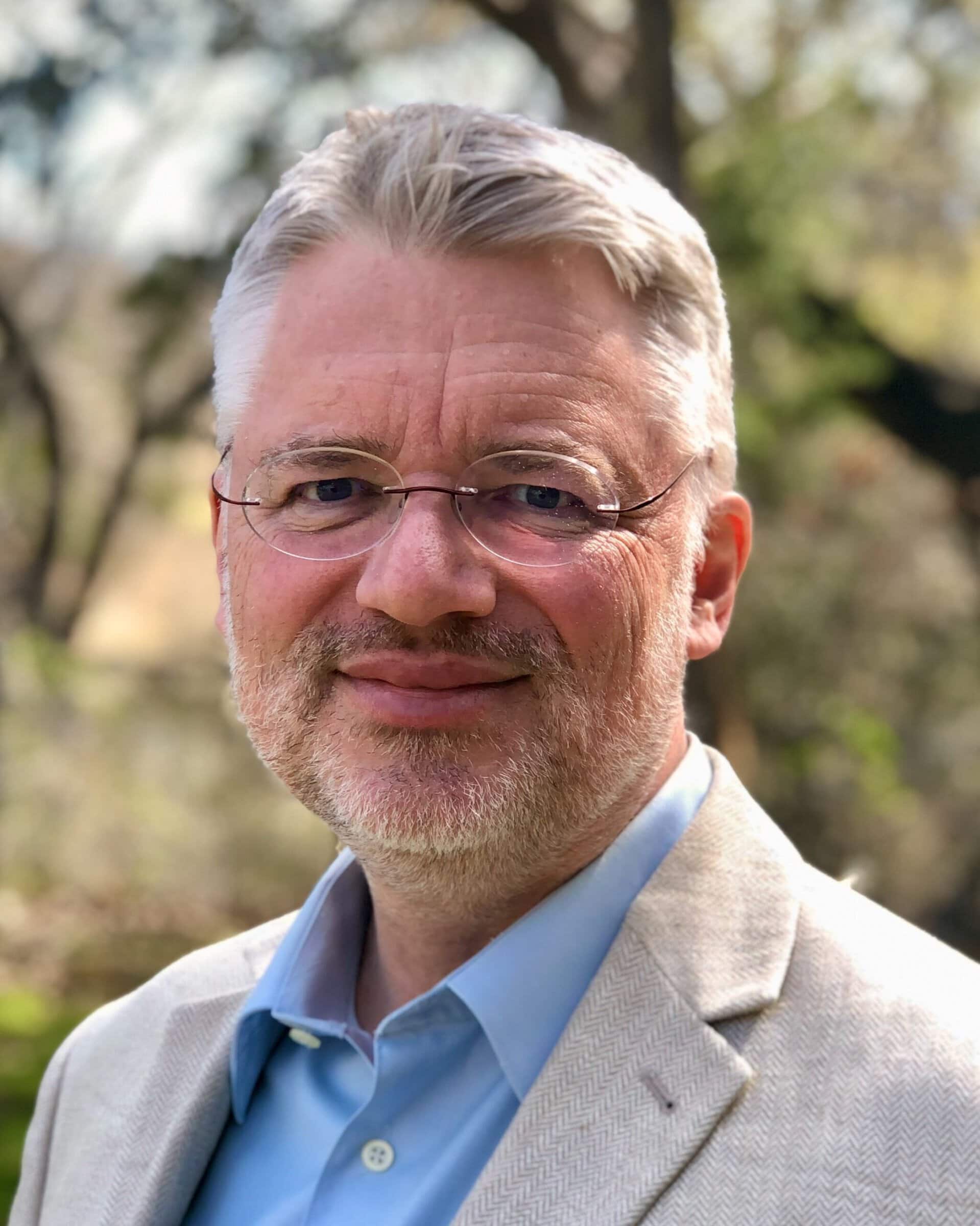
Peter Kroll
Peter Kroll is a Professor in the Department of Chemistry and Biochemistry at The University of Texas at Arlington. His research career in ceramic science spans more than 30 years and focuses on the modeling and simulation of advanced ceramic materials, particularly polymer-derived ceramics, high-temperature materials, and materials synthesized under high pressure.
Professor Kroll earned his Diploma in Physics from Ruprecht-Karls University Heidelberg and his Ph.D. in Materials Science from the Technical University of Darmstadt. He received a research stipend from the German Science Foundation to conduct postdoctoral research at Cornell University. In 1999, he joined RWTH Aachen University, where he completed his Habilitation in Inorganic Chemistry. From 2005 to 2007, he was a Heisenberg Fellow of the German Science Foundation before relocating to Texas.
Professor Kroll pioneered high-pressure synthesis routes for nitride materials, contributing to the discovery of cubic silicon nitride and the development of carbon nitride materials. He develops atomistic models of amorphous polymer-derived ceramics, focusing on understanding the formation and incorporation of free carbon at the atomic level. His work bridges chemistry, physics, and materials science, combining quantum-chemical calculations and MD simulations to clarify polymer-to-ceramic conversion processes.
Prof. Kroll has been a member of ACerS since 2010, making his first contributions to the annual meetings already in 1994. He has organized and co-organized over 30 symposia focusing on PDCs, UHTC, and Computational Modeling. He is a co-founder of the ACerS Technical Interest Group on polymer-derived ceramics, and has been recognized with the Global Star Award of the Engineering Ceramics Division of the American Ceramic Society.
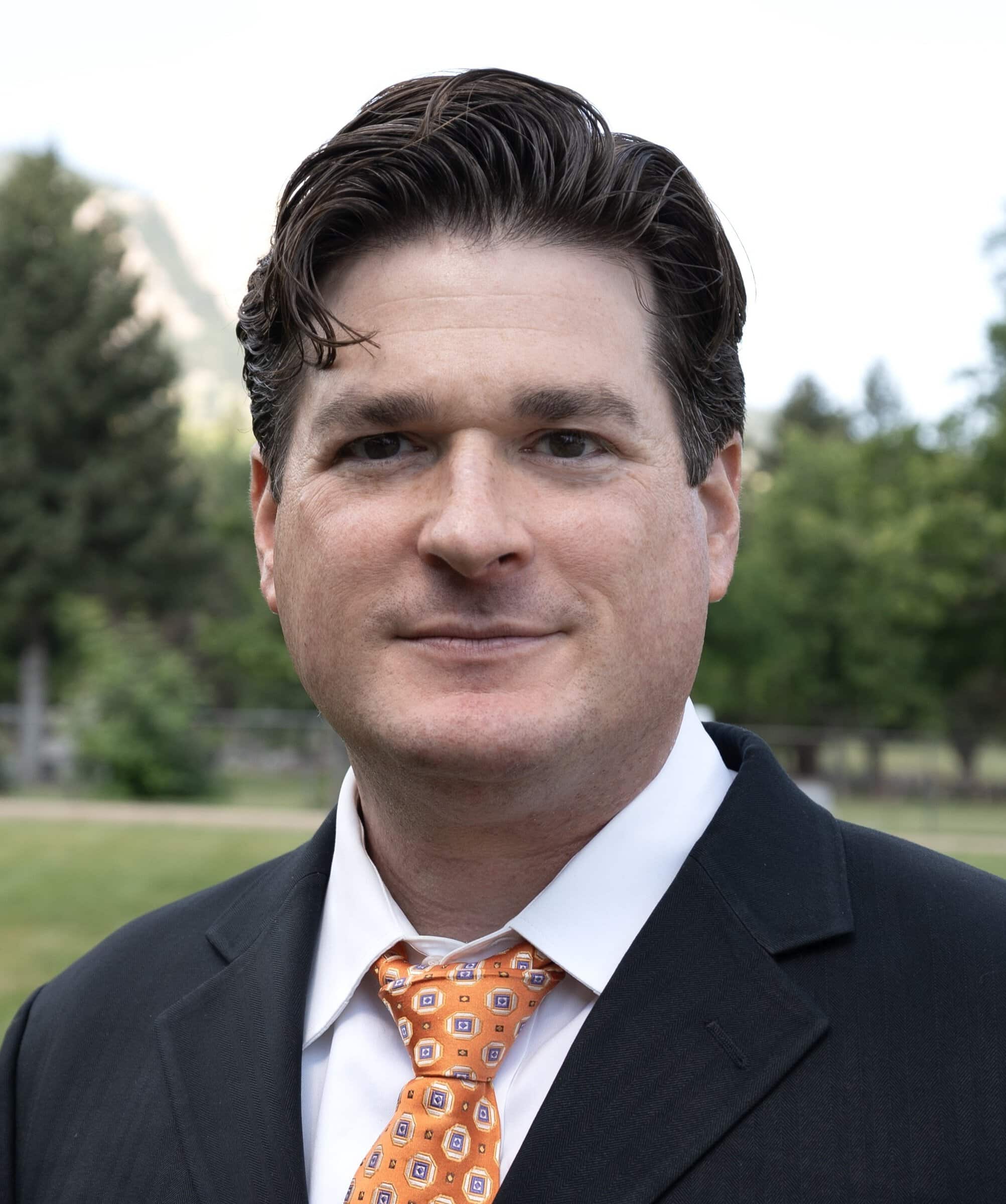
Nathan Orloff
I am an active member of the ACerS community, taking on both leadership and service roles. In 2018, I founded the Colorado Section of the American Ceramic Society with Sandrine Ricote, Scott Thompson, and others. Since establishing the new section, I served as Treasurer and Secretary. Serving in these roles, I handled all financial reporting, helped organize events at local companies, and organized tours at local research institutes. For example, I led a tour of the National Institute of Standards in 2019. In response to COVID, our section developed a series of webinars, tutorials, and mentorship opportunities for our membership. These events include an interview and live question sessions with Dr. Bill Phillips (Nobel Prize in Physics, 1997) who I recruited for the event.
In addition to serving ACerS in a local role, I have also contributed to ACerS conferences and web-based events. Over the past 5 years, I organized 5 special sessions on telecommunications at the Electronic Materials and Applications conference. I also organized the World Outreach Workshop in 2021 as the technical chair with Prof. Alp Sehirlioglu as the conference chair. My responsibility was to recruit speakers. Among many well-known speakers, I recruited the Chairwoman of the Federal Communications Commission as a speaker. Ms. Rosenworcel is one of the few women to serve in the role and she is an important role model for many young scientists.
My other contributions to ACerS include serving as the Chair for Corporate Relations for the Electronics Division. In this role, I recruited more than twenty new companies to participate in ACerS events. These activities include technical presentations by Intel, Keysight, 3M, Sabic, Qorvo, and more. It also includes tutorial sessions from companies like QWED and Keysight, where speakers trained attendees on how to use dielectric measurement instrumentation.
Beyond contributing directly to ACerS, my research is also important to the ACerS community. I lead the Microwave Materials project at the National Institute of Standards and Technology. In this role, I have three responsibilities: 1) to develop standards and methods that advance US competitiveness; 2) to explore new materials that enable applications in telecommunications; and 3) to develop new materials metrology that provides a deeper understanding of properties and how to control them.

Laeticia Petit
Since my PhD in 2002, I have examined the role of structure/property relationships in a range of (passive and active) glasses used in fiber and film, chemical sensing and applications utilizing photo-induced property modification. I am one of the few to have experience in academia and industry. Prior to joining Tampere University in 2016, I was the Manager of Glass Research at nLIGHT Corporation (Finland) working on novel specialty fiber laser using DND technology.
I am one of the few with strong experience and expertise different glasses: silica [J. Koponen, et al, Optical Engineering, 50(11) (2011) 111605], chalcogenide [J. Hu, et al, Opt. Express, 15 (2007) 2307] and phosphate, tellurite/germanate glasses. For the past 10 years, I have developed the direct doping technique thereby crystals are introduced in glass melts. I reported, for the first time, the corrosive behavior of the glass melt on PeL particles [N.Ojha et al, Corrosion Science, 135 (2018) 207-214]. I also successful developed low rare-earth concentrated phosphate glasses exhibiting green upconversion through direct nanoparticles doping [H. Nguyen et al, Scripta Materialia, 139 (2017) 130–133] and drew the first fiber with persistent luminescence [A. Lemiere et al, Materials Research Bulletin, 153 (2022) 111899].
-I have published over 170 papers in major international journals on optical glass-based materials and my papers have attracted over 2700 citations yielding an H-index of 30 (excluding self-citation). I have presented my work at +155 international conferences, including 1 plenary and +20 invited presentations. I wrote 1 Book Chapter: Phosphate and Borate Bioactive Glasses: Chapter 8: Phosphate Glasses for Biophotonic Applications, L. Petit, J. Massera, RoyalSociety of Chemistry, (2022).
-I have extensive teaching experience (all lectures are related to glass materials) responsible of various courses at Tampere University (Finland) and Åbo Akademi University (Finland).
-co-teaching at Clemson University (SC, USA) and University of Central Florida (FL, USA)
-guest lecturer at University of the Witwatersrand (South Africa) (2018), Technical University of Cluj-Napoca (Romania) (2019) and CY Cergy Paris (France) (2022).
Active at various workshops, winter/summer schools (Optical Fiber Technology Workshop during SPIE Optics+Optoelectronics in Czech Republic (2019); SAOT and FAU Erlangen-Nürnberg workshop in Germany (2018); COST MP1401 Winter school in Switzerland (2018), just to cite a few) -I am also active internationally: vice-chair of the Technical Committee 20 (TC20) in the International Commission on Glass (ICG), life member of The American Ceramic Society, Associate Editor for Optical Materials journal, etc.
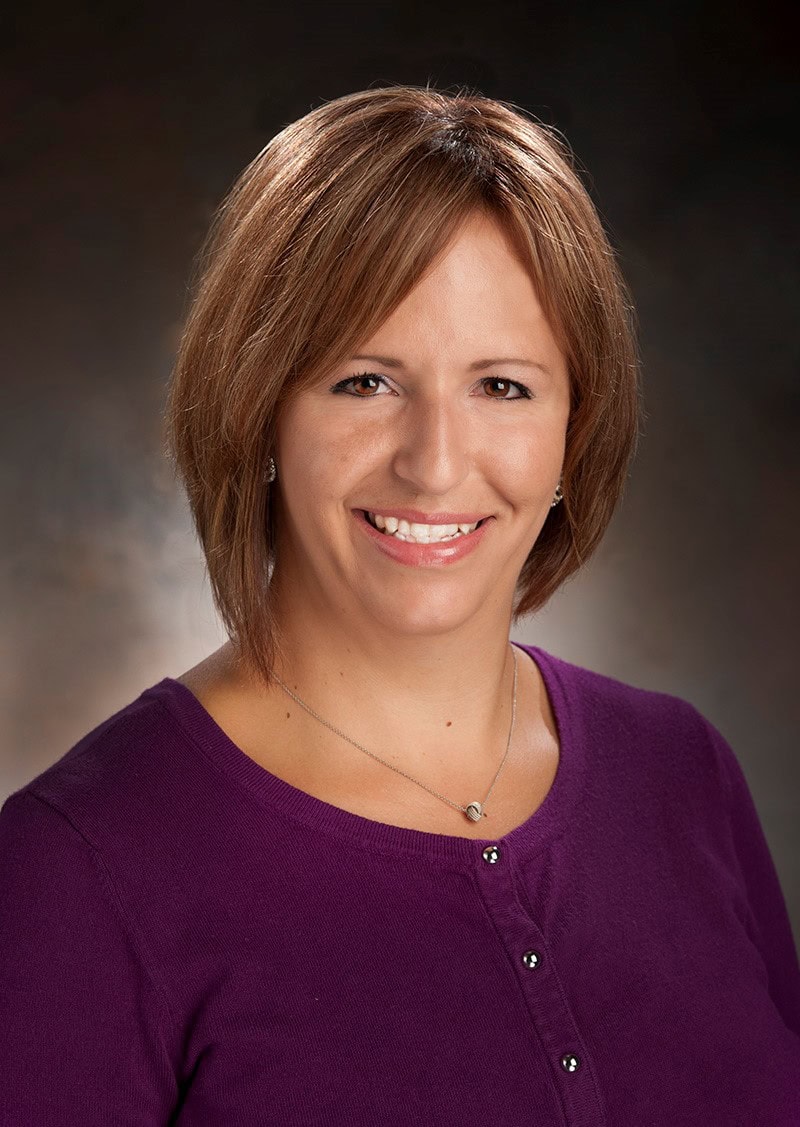
Marissa Reigel
Dr. Marissa Reigel is a seasoned materials engineer and researcher whose career spans over two decades of leadership in advanced ceramics, nuclear materials, and waste‑treatment technologies. She earned her Ph.D. in Metallurgical Engineering from the Colorado School of Mines in 2009, where her dissertation introduced Auto‑Ignition Combustion Synthesis (AICS)—a novel route for producing actinide‑bearing nitride ceramic fuels.
Following her doctorate, Dr. Reigel joined Savannah River National Laboratory (SRNL) in 2009, rising to R&D Execution Manager for Actinide Materials Science and Technology. At SRNL she directed multidisciplinary teams developing nuclear‑material processes for weapons‑usable actinides, spearheaded corrosion‑mitigation strategies for the DOE Hanford Waste Treatment Plant, and led a Laboratory‑Directed Research and Development project that created a novel technetium‑removal resin. Her work produced dozens of peer‑reviewed conference papers and over 80 SRNL reports published on the OSTI DOE Information Bridge.
In 2022, she transitioned to Saint‑Gobain NorPro as Senior R&D Manager for Diversified Products, overseeing custom porous‑ceramic solutions and guiding a team of engineers and technicians. By July 2024 she was promoted to Director of Research and Development, where she now drives the innovation pipeline for ceramic catalyst supports, manages IP protection, and coordinates the gate process that moves projects from lab to production.
Dr. Reigel’s contributions have been recognized with numerous honors, including the 2023 Fellow of ASM International, the 2022 DOE Secretary of Energy Achievement Award, and multiple SRNL Director’s Awards.
She is an active ACerS volunteer having just completed a 3-year term on the board of directors and continues to serve on multiple ACerS committees and task forces. She joined ACerS in 2006.
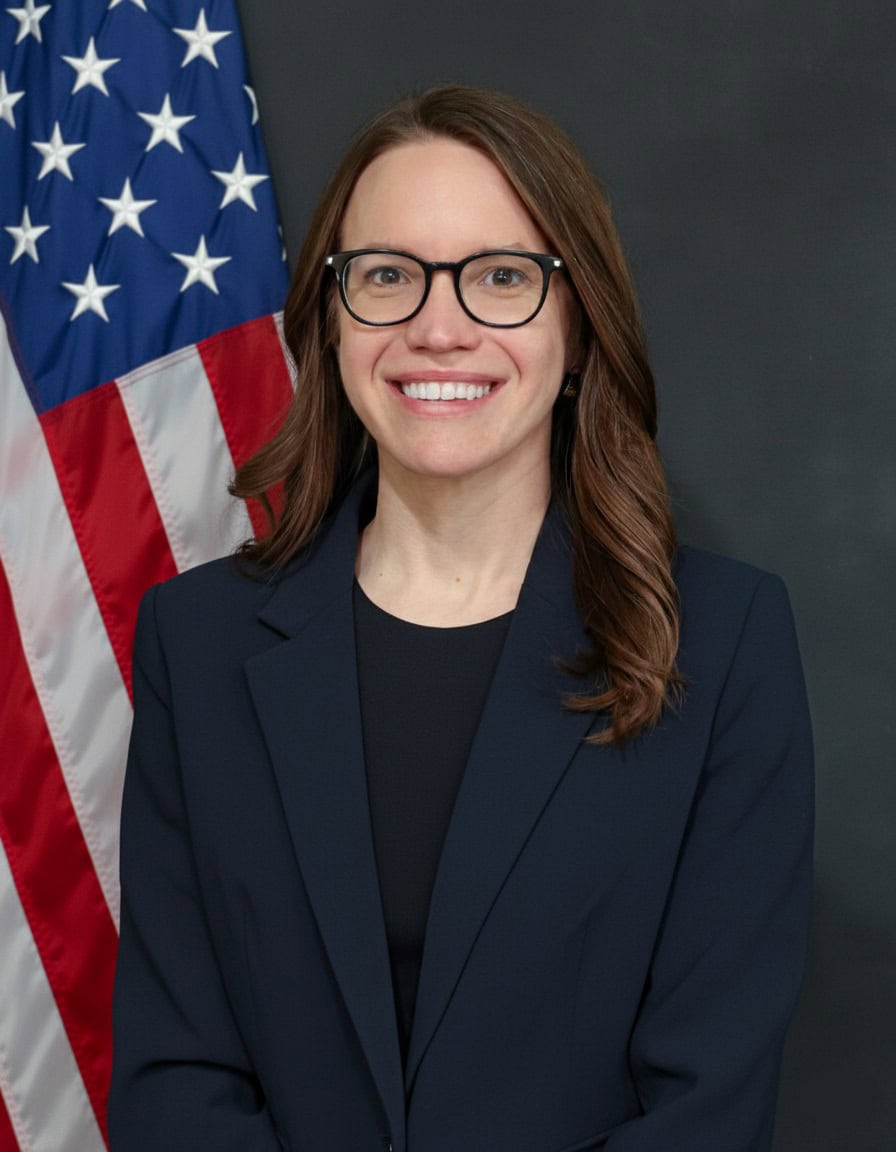
Lisa Rueschhoff
Dr. Lisa M. Rueschhoff, a Senior Materials Research Engineer at the Air Force Research Laboratory, has made transformative contributions to the science of ceramics for extreme environments. Her research centers on the advanced processing of structural ceramics and ultra-high temperature ceramics (UHTCs), where she has bridged the gap between fundamental colloidal science and complex aerospace applications. With over 35 peer-reviewed publications (h-index = 17) and a leadership portfolio exceeding $41M in total research funding, her innovations include the development of near-net shape aqueous injection molding and additive manufacturing (AM), fiber-reinforced ultra-high temperature ceramic matrix composites (UHTCMCs), and advanced materials for morphing aerospace components. Her expertise in ceramic AM culminated in a 2023 Journal of the American Ceramic Society Perspective article, designated as both a 2nd Century Trailblazer finalist and an Editor’s Choice. In recognition of her national impact, she was honored with the Presidential Early Career Award for Scientists and Engineers (PECASE) in 2022.
Dr. Rueschhoff’s commitment to the American Ceramic Society (ACerS) has been a cornerstone of her career. This dedication began as an undergraduate at Iowa State University, where as Chair of the Material Advantage Chapter, she led the group to be named Most Outstanding Chapter in the Nation. She continued this leadership as a graduate student at Purdue, serving as Council Chair of the ACerS President’s Council of Student Advisors. In her professional career, she has held high-impact roles, notably as Chair of the ACerS Membership Services Committee (2020–2024) and Associate Editor for the International Journal of Applied Ceramic Technology. She has also co-organized over six technical symposia and acted as Program Co-Chair for the 10th International Congress on Ceramics. A 2017 ACerS Global Ambassador and 2023 ACerS Du-Co Ceramics Young Professional Awardee, Lisa continues her dedicated service as an incoming member of the ACerS Board of Directors starting in 2026.
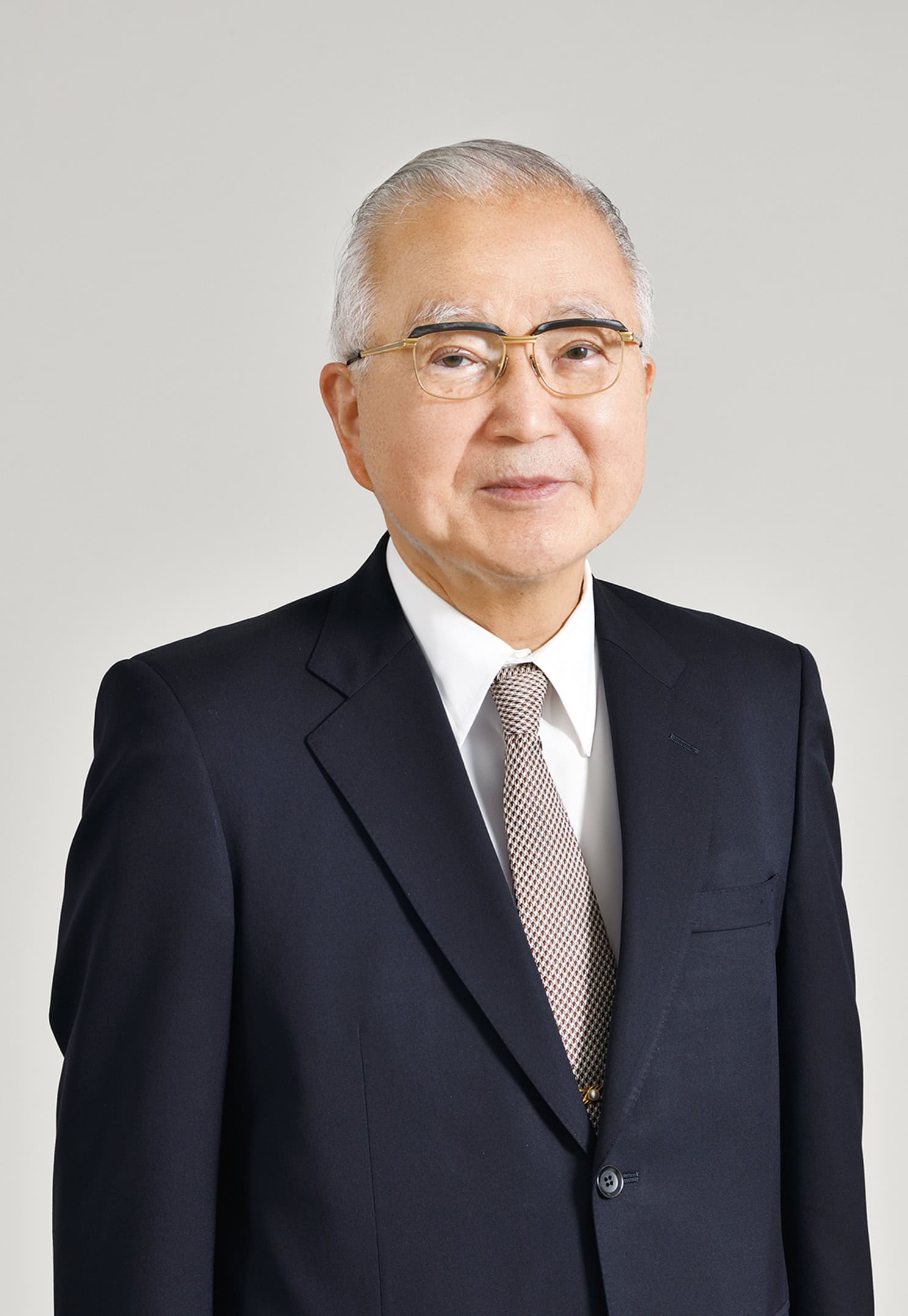
Shunpei Yamazaki
Dr. Shunpei Yamazaki is a globally influential inventor and technology leader whose pioneering work has shaped modern semiconductor and display technologies. Born in 1942, he earned his B.E., M.E., and Ph.D. from Doshisha University, completing his doctoral research in 1971 on MIS structures. In 1970, during his doctoral studies, he invented a non‑volatile memory device using a silicon floating gate—an innovation that later became known worldwide as flash memory and resulted in 42 foundational patents.
In 1980, Dr. Yamazaki founded Semiconductor Energy Laboratory Co., Ltd. (SEL), where he has long served as Representative Director while driving major advances in crystalline oxide semiconductors, OLED displays, LSIs, and rechargeable batteries. His leadership has enabled the development and commercialization of next‑generation information‑display technologies, including foldable and 8K×4K devices.
Dr. Yamazaki’s influence extends across global scientific communities. He is a Life Fellow of IEEE, a Fellow of ECS, a Foreign Member of the Royal Swedish Academy of Engineering Sciences, and an Academician of the World Academy of Ceramics. His achievements have been recognized with numerous prestigious honors, including five major awards from The American Ceramic Society (ACerS): the Richard M. Fulrath Award (1984), the Medal for Leadership in the Advancement of Ceramic Technology (2016), the W.D. Kingery Award (2018), the Rustum Roy Lecture Award (2024), and the Mrityunjay Singh Bridge Building Award (2025).
A uniquely prolific inventor, Dr. Yamazaki holds the GUINNESS WORLD RECORDS title for the most patents credited to an individual, with 20,120 patents recognized as of July 2025. His lifelong dedication to advancing science and technology continues to shape the global electronics landscape.