
[Image above] Lollipops are an example of candy glass, or desserts that consist mainly of sugar in a glassy state. Credit: DDGuy(opens in new tab), Wikimedia (CC BY-SA 3.0)
Tomorrow is Halloween in the United States, and in some areas, it may be warm enough(opens in new tab) this year for trick-or-treaters to avoid covering their costumes with bulky winter jackets(opens in new tab). In other areas, however, multiple showers and thunderstorms(opens in new tab) may result in the unfortunate cancellation of trick-or-treat plans and require sheltering indoors.
If you are one of those who was tricked by the weather, we have a treat for you here on CTT. Today’s post features a roundup of some sweet tidbits about the materials behind some fan-favorite spooky season activities, including festive decorations, horror movies, and sugary desserts.
So, sit back, relax, and enjoy learning about the history and science of these Halloween traditions!
Video: Grow a glass pumpkin for Halloween(opens in new tab)

Credit: Images by John ‘K’(opens in new tab), Flickr (CC BY-NC-ND 2.0)
Want a pumpkin that lasts beyond Halloween? Glass pumpkins are a staple at fall festivities. Take a look at how they are made and see what it takes to create a 70-pound pumpkin!
Read the article(opens in new tab)
Halloween science: Ceramics help create the gore of early Hollywood horror flicks(opens in new tab)

Credit: Steve Koukoulas(opens in new tab); Flickr CC BY-NC-ND 2.0
There’s some interesting science behind Hollywood’s many renditions of fake blood. And ceramics even helped some of the earliest horror film directors achieve the perfect consistency to fake out—and freak out—moviegoers.
Read the article(opens in new tab)
Video: Preparing for spooky season—inside the world of clay animation(opens in new tab)
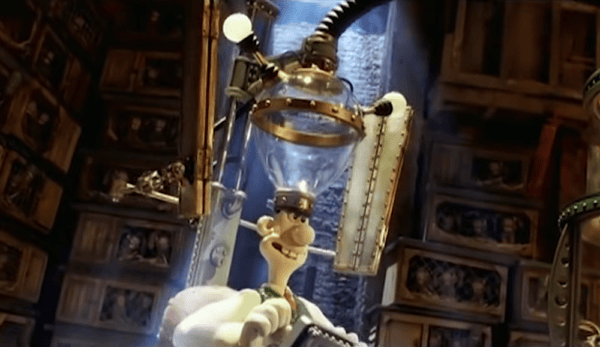
Credit: Rotten Tomatoes Classic Trailers(opens in new tab), YouTube
Some fan-favorite spooky season movies are examples of clay animation. This film-making technique, which has a history spanning more than 100 years, gained popularity several decades ago thanks to the pioneering work of Oregon-born animator Will Vinton.
Read the article(opens in new tab)
Video: Golem, the clay creature of Jewish lore(opens in new tab)

Credit: smokeghost(opens in new tab), Flickr (CC BY-NC 2.0)
When we think about ceramics in history, we typically think of ancient pottery and art. But clay also is the material used to create an animated anthropomorphic being in Jewish lore called a golem. In the spirit of Halloween, this CTT looks at the history of this creature and depictions of it in contemporary media.
Read the article(opens in new tab)
Video: Sweeten your knowledge of materials science this Halloween by making your own candy glass(opens in new tab)

Credit: DDGuy(opens in new tab), Wikimedia (CC BY-SA 3.0)
Looking to weave some science learning into your Halloween activities? Making candy glasses like cotton candy and lollipops can provide insights into common glass processing methods and material properties. Learn how to make your own candy glass through the Ceramic and Glass Industry Foundation’s Glass Science Kit!