
Posts by Lisa McDonald
Improving implantable technology: Chiral borophene nanoplatelets demonstrate distinct interactions with cellular membranes
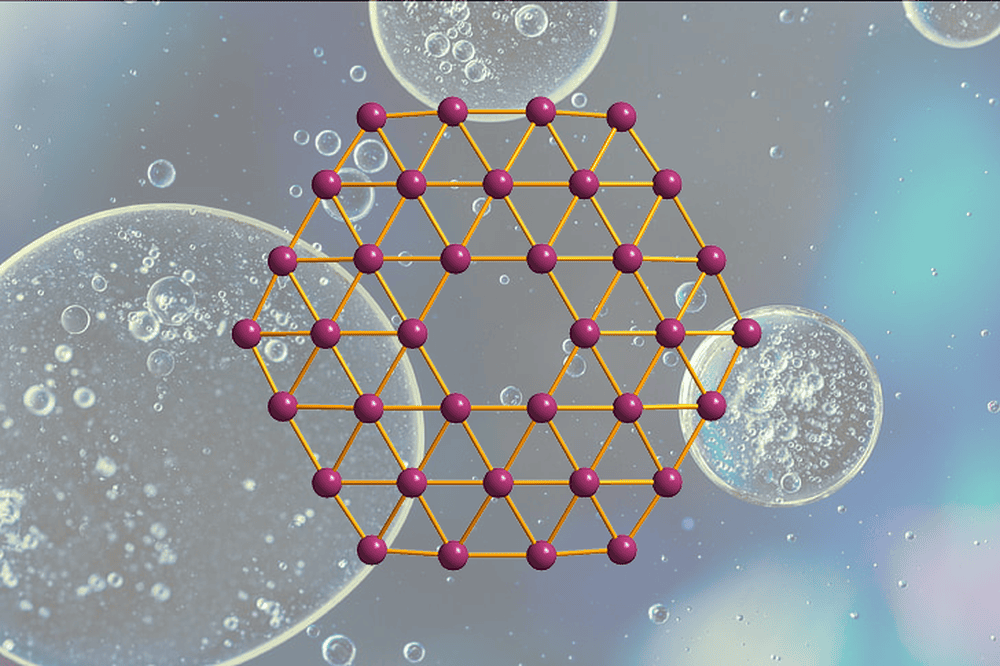
Borophene, a relatively new nanomaterial, is beginning to make its way into biomedical applications. Researchers at The Pennsylvania State University showed that synthesizing borophene with chiral structures allows it to interact with mammalian cells in distinct ways.
Read More2024 Society Awardees Announced

The American Ceramic Society has the privilege of being a professional home to global leaders in the ceramics and…
Read MoreVideo: Penny licks—the sinister history of a sweet treat

To celebrate National Ice Cream Month in the United States, today we look at the history of penny licks, the small glass cups used by street vendors to serve ice cream in the 19th century.
Read MoreOther materials stories that may be of interest for July 17, 2024

Better mixing for faster reactions, “painting” molecular structure, and other materials stories that may be of interest for July 17, 2024.
Read MoreEmbracing nature knowledge: Biomimicry developments in the energy field

Nature offers many clues on ways to best preserve energy, and today’s CTT showcases some recent biomimetic innovations in the fields of clean energy, passive thermal control, and water conservation.
Read MoreCeramic and glass business news of the week for July 15, 2024

SiCrystal to expand silicon carbide wafer production, Xenia Materials launches research partnership program, and more ceramic and glass business news of the week for July 15, 2024.
Read MorePressed for innovation: Hot imprinting of metal–organic frameworks enables optical-quality glasses
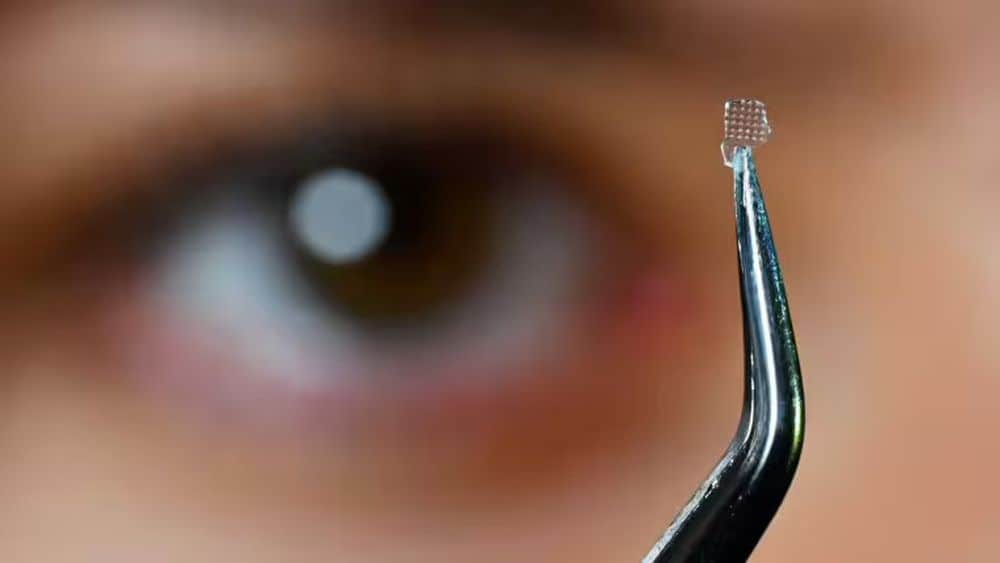
Shaping metal–organic framework glasses in their liquid state, which is the standard for conventional glass processing, has been an elusive feat. Researchers in Germany reported a process late last year for liquid handling of MOF glasses, and their new paper further elaborates on the potential of this process to create MOF glasses for real-world optical applications.
Read MoreVideo: Confirmed uptake of ‘forever chemicals’ through skin provides more reason for regulation

PFAS chemicals traditionally are believed to enter the body mainly through ingestion via food or drinking water or by being breathed in. But researchers at the University of Birmingham have now confirmed PFAS can permeate through skin—demonstrating the risk of exposure to these harmful chemicals.
Read MoreOther materials stories that may be of interest for July 10, 2024
Improved fault diagnosis accuracy, optical lens that senses gas, and other materials stories that may be of interest for July 10, 2024.
Read MoreToward dendrite-free lithium-metal batteries: MOF glass layer enables more uniform lithium diffusion
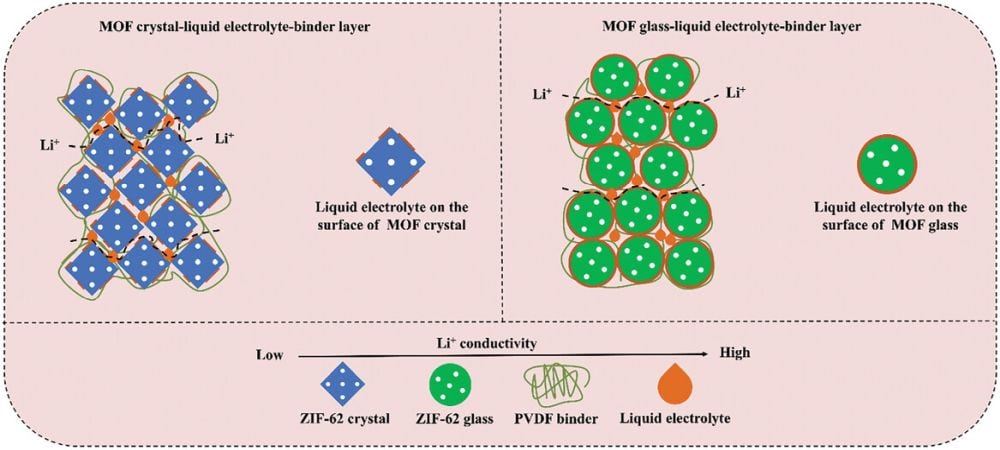
Glass is emerging as a possible material to help prevent lithium dendrite formation in lithium-metal batteries. Researchers from Aalborg University in Denmark demonstrated the potential of metal–organic framework glasses to facilitate more uniform lithium diffusion.
Read More