
Posts by Lisa McDonald
Other materials stories that may be of interest for August 30, 2023
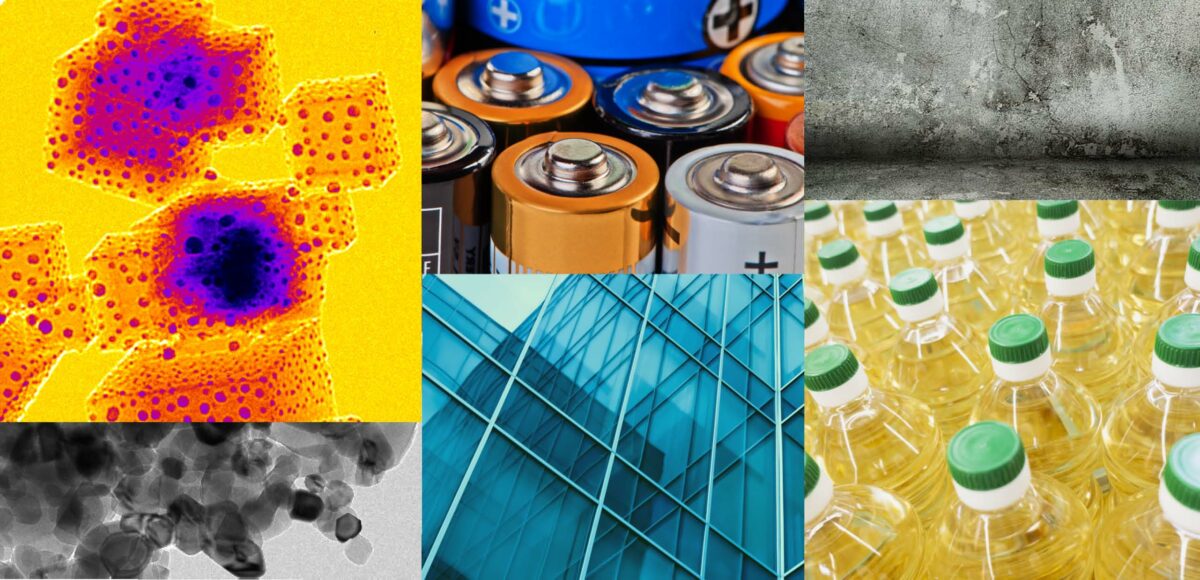
Direct power generation from methylcyclohexane, hidden phase transition, and other materials stories that may be of interest for August 30, 2023.
Read MoreOptimized tape casting process creates lithium metazirconate thin films for use as solid-state electrolytes

Lithium metazirconate (LZO) has demonstrated promise as an electrode coating in solid-state batteries, and some researchers are exploring the use of LZO as a solid-state electrolyte itself. However, to date, all electrochemical testing on LZO for this application has been performed on pressed discs rather than thin films. Researchers in Argentina and Spain developed an aqueous forming route to obtain LZO films by tape casting.
Read MoreCeramic and glass business news of the week for August 28, 2023

German consortium plans 5-GW vertically integrated solar module production, 3DCERAM Sinto and SINTX collaborate to develop materials and tech for ceramics AM, and more ceramic and glass business news of the week for August 28, 2023.
Read MoreTraining the next generation of builders—first large-scale construction 3D printer in the Buckeye State arrives at OSU

Further expanding the use of 3D printing in construction will require training the next generation of builders on these techniques. A new research partnership between The Ohio State University and 3D-printing construction company Pantheon Innovative Builders will help provide this training through use of COBOD International’s construction-grade BOD2 printer.
Read MoreIntroduction to “Porous ceramics” for ACT @ 20
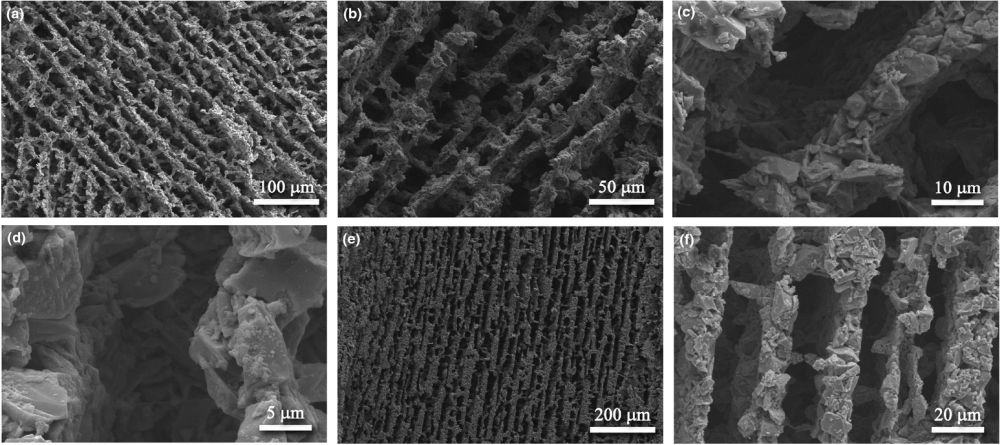
To celebrate the milestone of the 20th volume of the International Journal of Applied Ceramic Technology, the editorial team assembled a selection of journal papers representing the excellent work from the advanced ceramics community. The focus this month is porous ceramics.
Read MoreVideo: SiC chips make inroads in the automotive industry
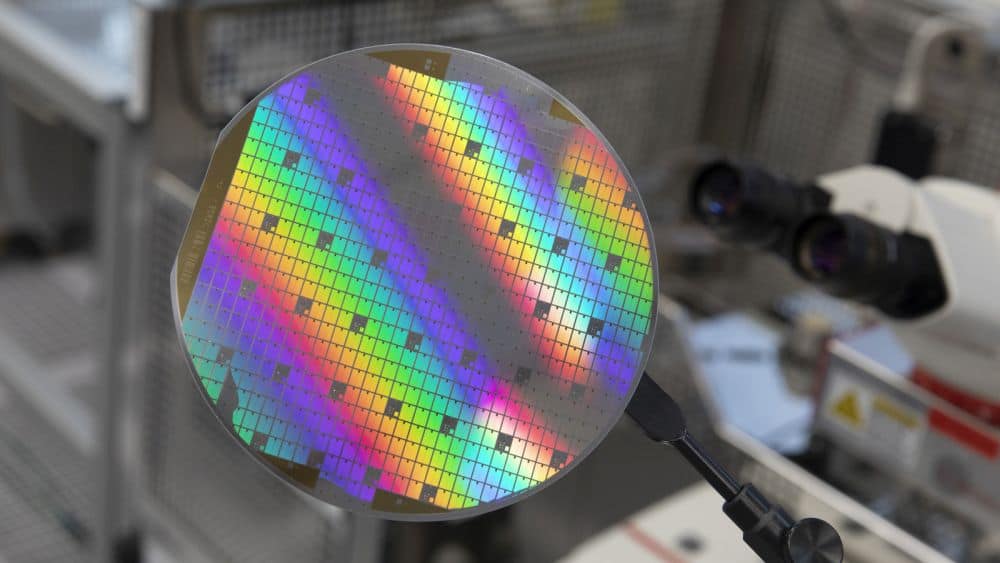
Silicon carbide-based semiconductor chips are starting to be embraced by automotive manufacturers looking to overcome the limitations of traditional silicon. To prepare for an expected surge in demand for SiC electronics, several semiconductor manufacturers have announced plans to construct new or expand existing fabrication facilities.
Read MoreOther materials stories that may be of interest for August 23, 2023
Understanding nanoscale gaps, hidden structures below dark side of moon, and other materials stories that may be of interest for August 24, 2023.
Read MoreBlack silicon wafers significantly improve efficiency of ultrathin solar cells

Reducing the thickness of silicon wafers in solar cells below 40 μm typically results in decreased performance. Using black silicon for the wafer, however, which has a textured surface structure, can improve the wafer’s absorption capabilities. Researchers in Spain and Finland demonstrated this improvement by using ultrathin black silicon wafers to create interdigitated back-contact solar cells.
Read MoreCeramic and glass business news of the week for August 21, 2023
Duravit AG plans climate-neutral ceramic production facility in Québec, Lucideon and the National Composites Center partner on next-gen ceramic composites, and more ceramic and glass business news of the week for August 21, 2023.
Read MorePlane protection: Alumina and titania improve the corrosion resistance of thermal barrier coatings to molten glass

Thermal barrier coatings protect engine components from extreme heat, but they can be damaged by the dust that gets sucked in and turned into molten glass. Previous studies found yttria-stabilized zirconia coatings doped with alumina and titania demonstrated improved corrosion resistance against this molten glass. Now, researchers in Turkey explored whether these additives could improve the resistance of ceria-stabilized coatings as well.
Read More