
Posts by Lisa McDonald
Video: Collecting data in granular environments—turtle-inspired robot can swim untethered under the sand

Robots cannot move easily in granular environments, such as sand. Researchers at the University of California, San Diego, designed a robot inspired by sea turtle hatchlings that can swim untethered through sand. This robot could improve the ability of researchers to collect data in granular environments.
Read MoreOther materials stories that may be of interest for August 16, 2023
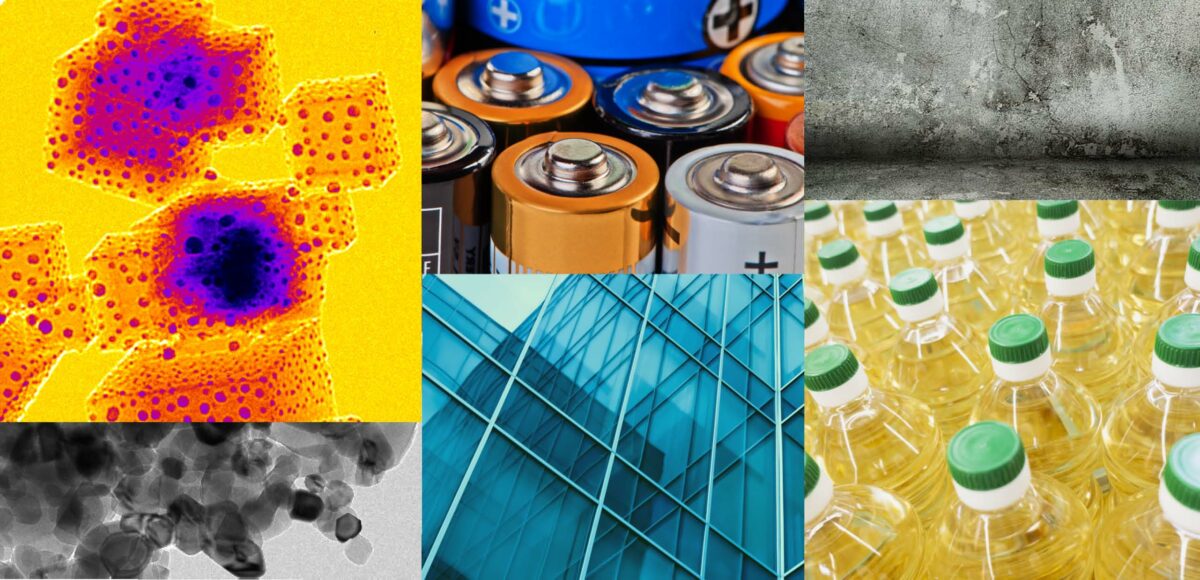
Mussel-inspired element recovery, paracrystallized aluminosilicate glass, and other materials stories that may be of interest for August 16, 2023.
Read MoreXufei Fang announced as inaugural JACerS 2nd Century Trailblazer awardee

The Journal of the American Ceramic Society launched the 2nd Century Trailblazers initiative earlier this year to raise the profile of early-career ceramic and glass scientists and engineers who are conducting outstanding research. Xufei Fang has now been announced as the inaugural awardee of this new competition.
Read MoreUltrafast deposition reveals true shape of lithium

The complex feedback loop between solid electrolyte interphase formation and lithium deposition means researchers have struggled to develop a general framework for understanding and predicting lithium morphology. Researchers at the University of California, Los Angeles, modified the electrodeposition process to decouple lithium deposition from interface growth and thus reveal the intrinsic deposition morphology of lithium.
Read MoreCeramic and glass business news of the week for August 14, 2023

Cemex and Synhelion make progress on fully solar-powered cement plant, Ardagh launches “money4glass” initiative in South Africa, and more ceramic and glass business news of the week for August 14, 2023.
Read MoreDusty data—hydrophobic ceramic surfaces significantly reduce adhesion of simulated lunar dust
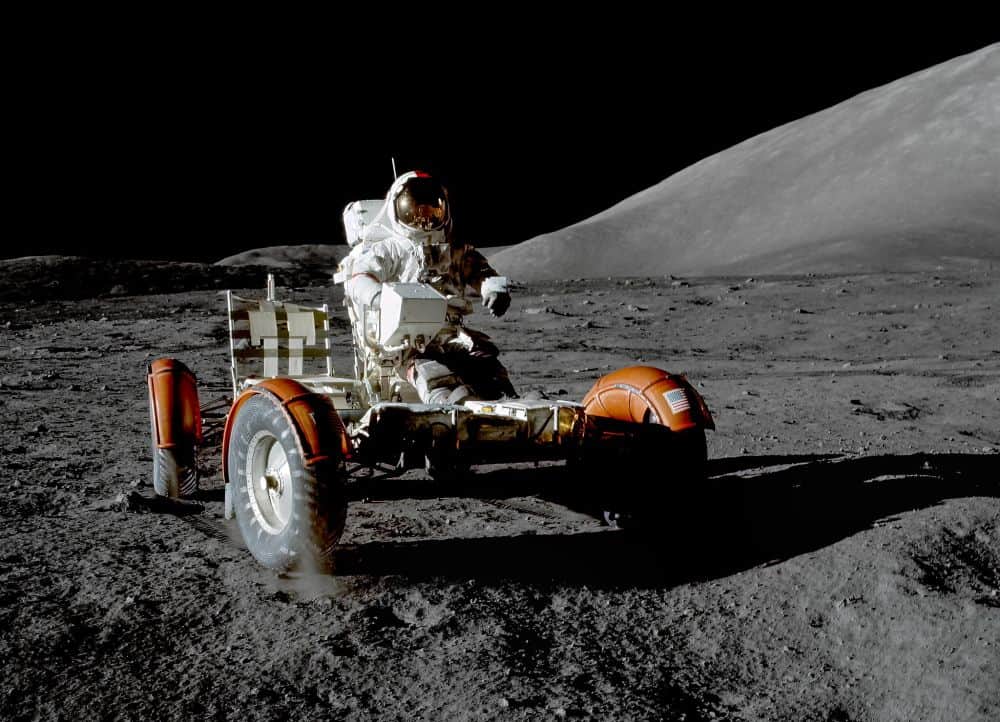
Dust mitigation is a priority for space agencies to prevent damage to equipment during surface missions on the moon, Mars, and other celestial bodies. Researchers from the University of Nebraska-Lincoln and NASA Langley Research Center used laser ablation to pattern two ceramics with hydrophobic surfaces, which led to a reduction in the adhesion of simulated lunar dust.
Read MoreVideo: Augmented reality device offers real-time subtitles during everyday conversations
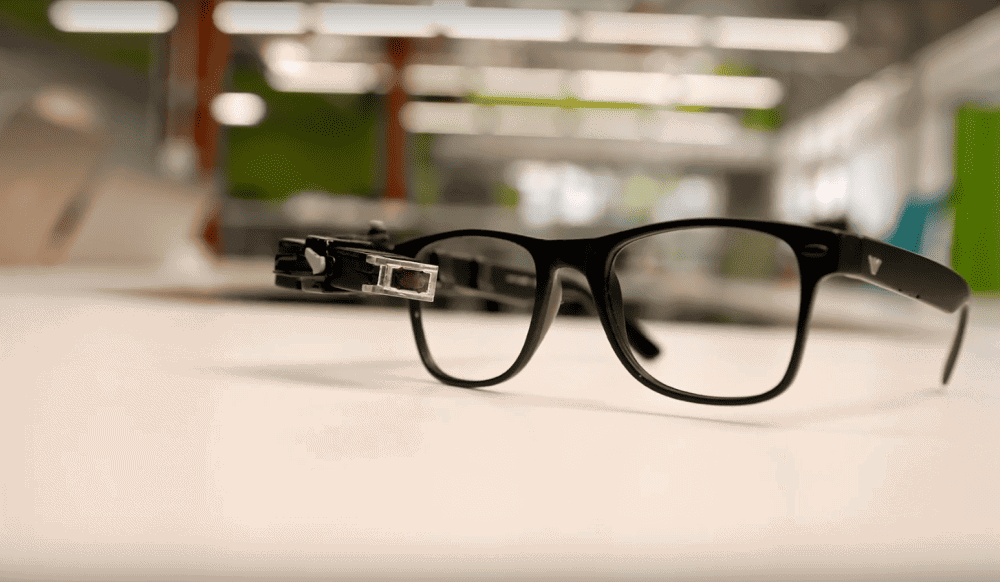
The expansion of real-time translation apps is bringing the benefits of subtitles to real-life conversations. In February 2023, the integration of these apps into everyday dialogue took a step forward with the beta release of a new product called TranscribeGlass, which attaches to your glasses and projects real-time captions in front of your eyes.
Read MoreOther materials stories that may be of interest for August 9, 2023
New era of color tunable nanodevices, true shape of lithium, and other materials stories that may be of interest for August 9, 2023.
Read MoreFoiled no more: A review of advancements in producing carbon nanotubes on flexible metal substrates
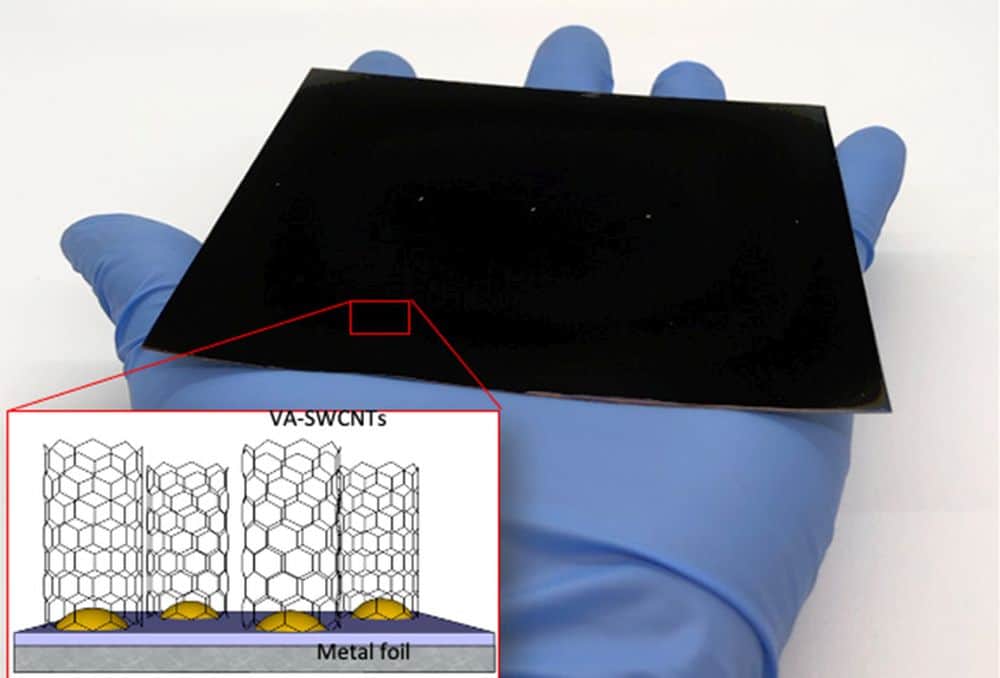
Growing carbon nanotubes on metal foils rather than traditional silicon or quartz substrates would allow the process to be easily integrated into large-scale manufacturing processes. But metal foils present other challenges, such as reactivity at high temperatures. Lawrence Livermore National Laboratory researchers published a review paper summarizing efforts to overcome these challenges.
Read MoreACerS announces 2023 Class of Fellows
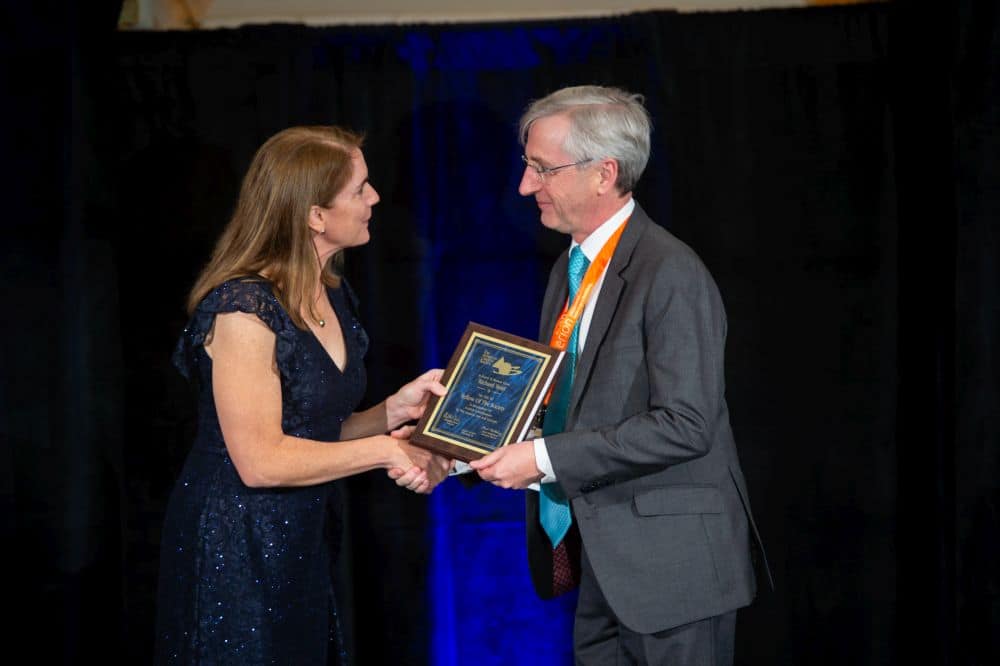
The American Ceramic Society will elevate 20 members to Fellow Status this year. The awards will be presented at the Society’s Annual Honor and Awards banquet at MS&T23 in Columbus, Ohio.
Read More