
Posts by Lisa McDonald
Clay locomotion and clean water

Many of the world’s easily accessible freshwater sources are being drained faster than they are being replenished. In two recent papers, researchers led by Jilin University investigated the potential of a clay-based self-propelling nanomotor to purify water.
Read MoreMXenes and student perspectives on hope, plus more inside June/July 2022 ACerS Bulletin
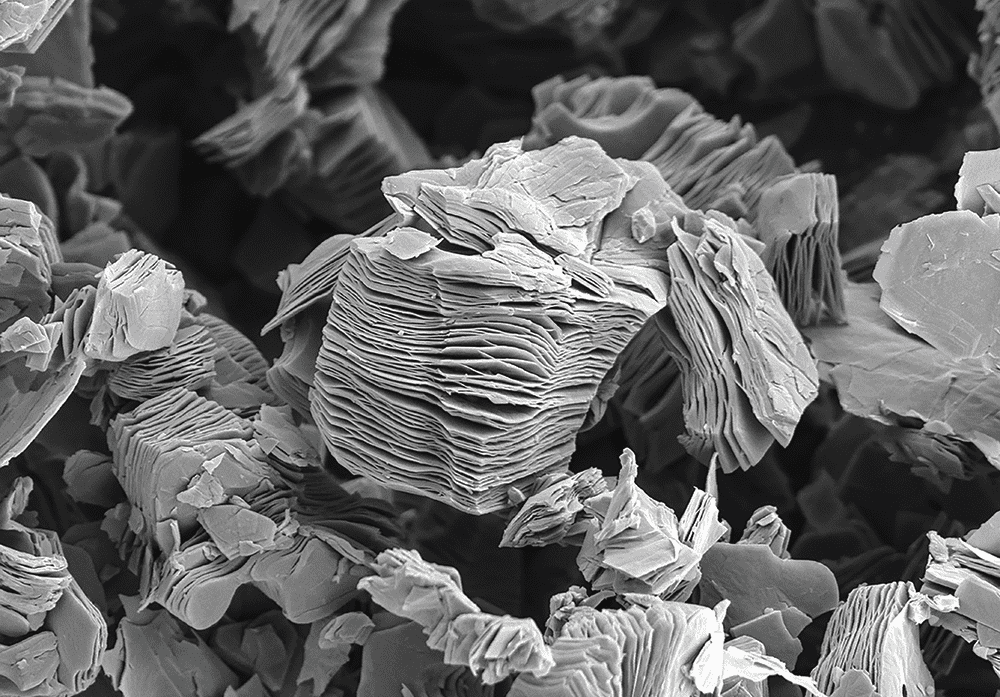
The June/July 2022 issue of the ACerS Bulletin—featuring MXenes and student perspectives on hope—is now available online. Plus—new C&GM.
Read MoreVideo: Ceramics and glass make their mark on new global conservation vaults
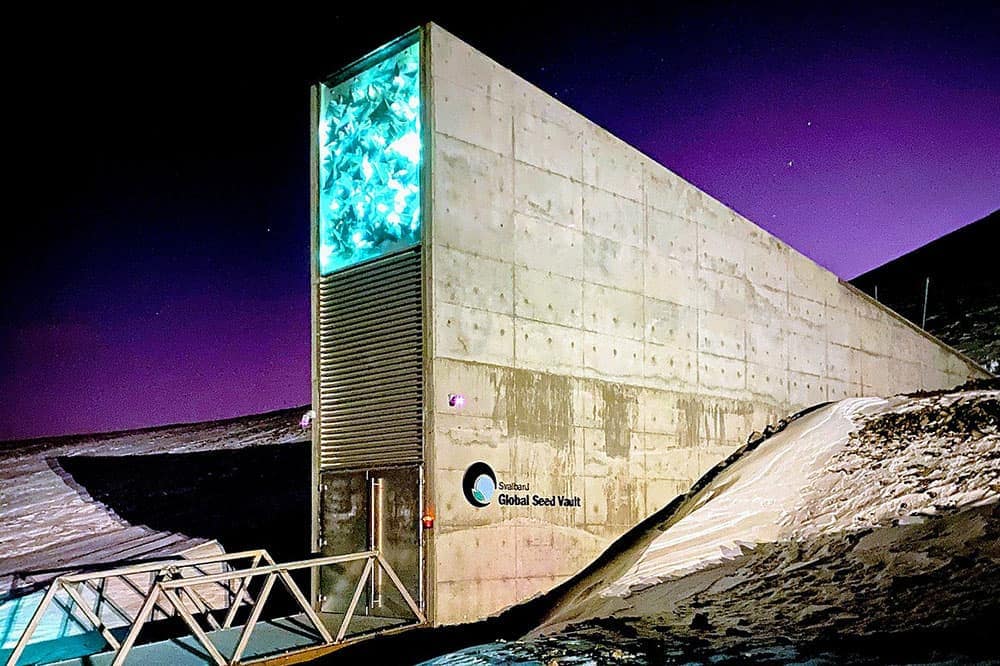
The Global Seed Vault in Svalbard, Norway, demonstrated that countries can work together for the common good through preservation and long-term protection of important societal resources. Two new global vaults making headlines will involve ceramic and glass materials, with the former material being documented and the latter used as a storage medium.
Read MoreOther materials stories that may be of interest
Forty-channel optical communication link, next-gen photocatalysts, and other materials stories that may be of interest for June 15, 2022.
Read MoreCaliBaja Webinar Series: special focus on glass science and art for IYOG

With the start of summer next Tuesday comes the start of this year’s CaliBaja Webinar Series! The CaliBaja Webinar Series…
Read MorePorosity-based heterojunctions may offer efficient and safer optoelectronic implants
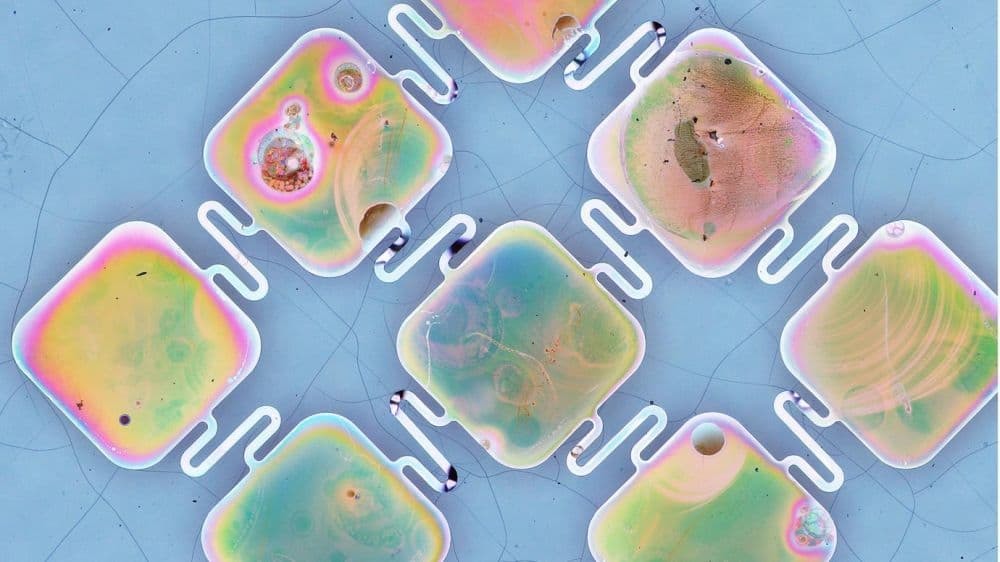
The miniaturization of implantable medical devices is necessitating development of alternative energy systems. Researchers at the University of Chicago created porosity-based silicon heterojunctions that offer an efficient and safer way to perform optoelectronic modulation of tissues.
Read MoreCeramic and glass business news of the week for June 13, 2022

Rare earth manufacturing facility to open in Oklahoma, EU rule requires new devices to have USB-C charging ports, and more ceramic and glass business news of the week for June 13, 2022.
Read MoreA sweet demonstration: Ceria helps make miniaturized implantable glucose fuel cells possible

Glucose fuel cells allow for significant volumetric scale-down of implantable devices because they do not physically store energy like batteries. However, cells that use polymer-based electrolytes face some limitations. Researchers from MIT and the Technical University of Munich developed glucose fuel cells using a ceramic membrane that overcome these limitations.
Read MoreVideo: The science behind Queen Elizabeth II’s visual carriage display

When archival footage of a young Queen Elizabeth II waving to the crowd during her platinum jubilee celebrations appeared, news outlets almost universally called this visual display a “hologram.” However, based on the video evidence available, it was most likely a different type of illusion technique, a Gizmodo article contends.
Read MoreOther materials stories that may be of interest
Generate electricity from moisture in the air, ceramics for bone self-repair, and other materials stories that may be of interest for June 8, 2022.
Read More