
Posts by Lisa McDonald
Ceramic manufacturing is back in a big way at Ceramics Expo

The first-ever Ceramics Expo closed yesterday in Cleveland, Ohio. More than 170 vendors displayed everything needed to make ceramic and glass materials—from raw materials to forming/shaping to furnaces/kilns to characterization and all the materials and equipment needed for those functions.
Read MoreCeramics and glass business news of the week

Apple invests in solar, Saint-Gobain gets abrasive, Onyx Solar expands to Spain, and more ceramics and glass business news of the week for May 1, 2015.
Read MoreProducts, vendors, demos, sumo wrestlers, and more—Inaugural Ceramics Expo delivers it all

The first-ever Ceramics Expo kicked off Tuesday in Cleveland, Ohio—and, importantly, it’s delivering on much-hyped promises to showcase the entire supply chain of ceramics materials and technologies.
Read MoreGetting down to business—Ceramic and Glass Industry Foundation’s first Board of Trustees meeting lays groundwork for initial programs

On Monday, the Ceramic and Glass Industry Foundation Board of Trustees met in Cleveland, Ohio, marking the next important step in the Foundation’s growth.
Read MoreOther materials stories that may be of interest
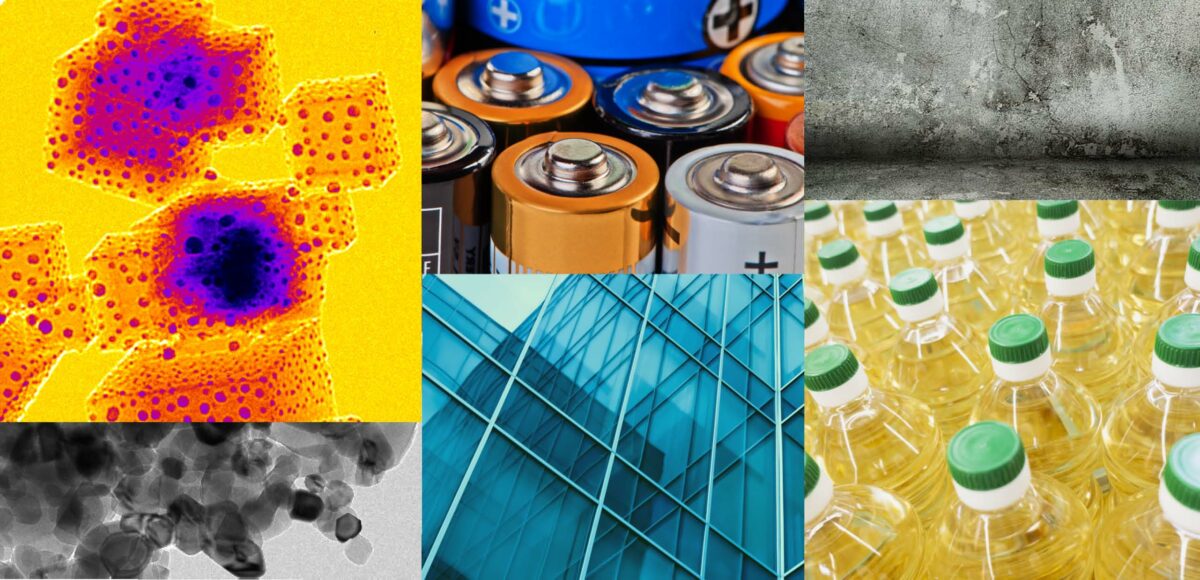
Maglev train zooms by, crystal breeding factory uncovered, printing silicon with lasers, and other materials stories that may be of interest for April 28, 2015.
Read MoreLED jacket offers cyclists turn-signaling safety swag

Bike rides could be brighter and safer, thanks to an LED jacket that helps cyclists signal and be seen.
Read MoreGet outta my dreams, get into my futuristic Chevy FNR concept car

According to a GM press release, Chevrolet’s new FNR concept car “boasts a futuristic capsule design”—which may be the biggest understatement we’ve ever heard.
Read MoreCeramics and glass business news of the week
Kyocera builds floating solar plants, Corning collaborates for OLEDs, GE to see capital assets, and more ceramics and glass business news of the week for April 24, 2015.
Read MoreMIT celebrates contributions of ceramics, glass, and W. David Kingery with lab reopening
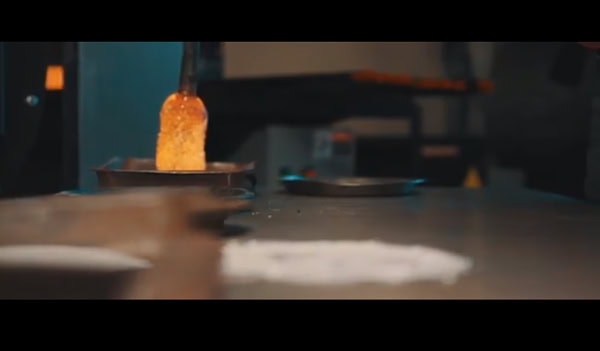
MIT’s materials science and engineering department celebrates the reopening of the W. David Kingery Ceramics and Glass Laboratory (nee MIT Glass Lab). According to an MIT news release, the renovation not only adds more space but new equipment, increased safety features, and improved ventilation systems.
Read MoreACerS forms new Manufacturing Division to meet the needs of the global ceramics and glass industry
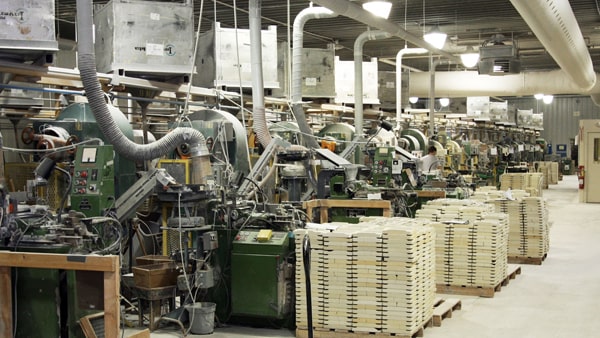
WESTERVILLE, OHIO—The American Ceramic Society (ACerS)—the premier global membership organization for the technical ceramics and glass community—has formed a Manufacturing…
Read More