
Posts by Lisa McDonald
Video: Rising costs necessitate recalibration of offshore wind power projects

Investment in offshore wind projects is increasing, but rising manufacturing and supply chain costs are hindering the translation of this investment into tangible products. The success of future projects will depend on governments and wind energy firms recalibrating the cost of the planned energy transition.
Read MoreOther materials stories that may be of interest for November 29, 2023
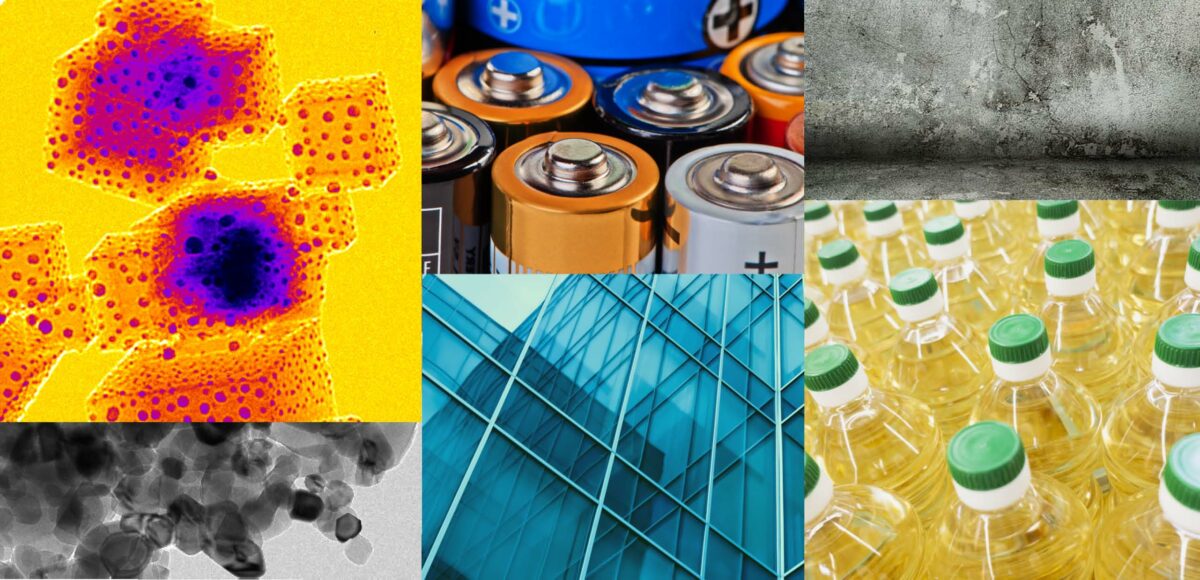
Electrocaloric heat pump, increase carbon nanotube yield, and other materials stories that may be of interest for November 29, 2023.
Read MoreRecycling green technology: Microwave radiation facilitates deconstruction and reuse of solar panels
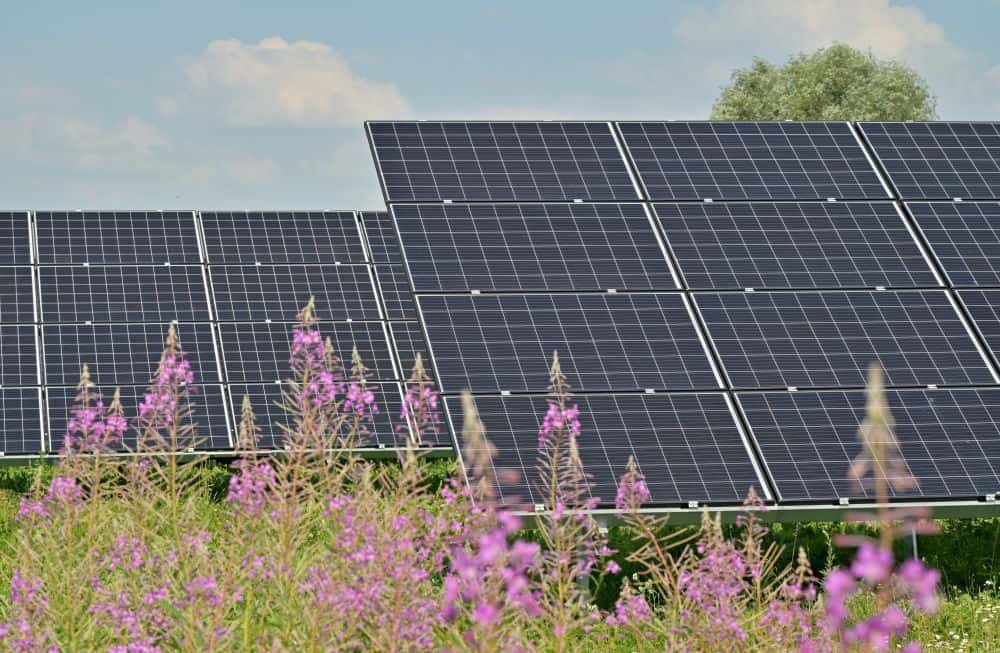
Semiconductor processing could benefit from the use of microwaves, which allows materials to be annealed faster and more selectively. Now, researchers in Australia demonstrated another benefit—it would make the deconstruction and reuse of solar panel components easier.
Read MoreCeramic and glass business news of the week for November 27, 2023

World’s first space lab on earth to be built near Ohio State airport, European Commission approves Italy’s incentive scheme for agrivoltaics, and more ceramic and glass business news of the week for November 27, 2023.
Read MoreVideo: Empty Bowls project—fighting food insecurity through ceramics
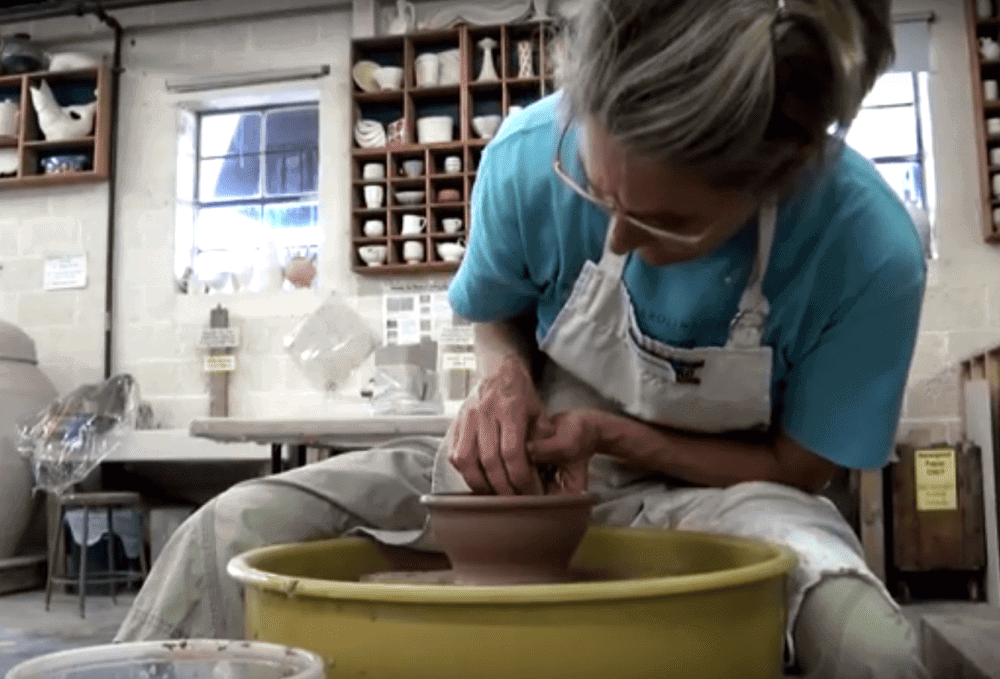
Food insecurity remains at an elevated level due to the lingering effects of the COVID-19 pandemic. The Empty Bowls project provides a unique way to raise money for food banks by engaging the local arts community.
Read MoreOther materials stories that may be of interest for November 22, 2023
Nanoparticles for cancer therapy, removal of dust precursors, and other materials stories that may be of interest for November 22, 2023.
Read MoreIntroduction to “Thermoelectrics” for ACT @ 20
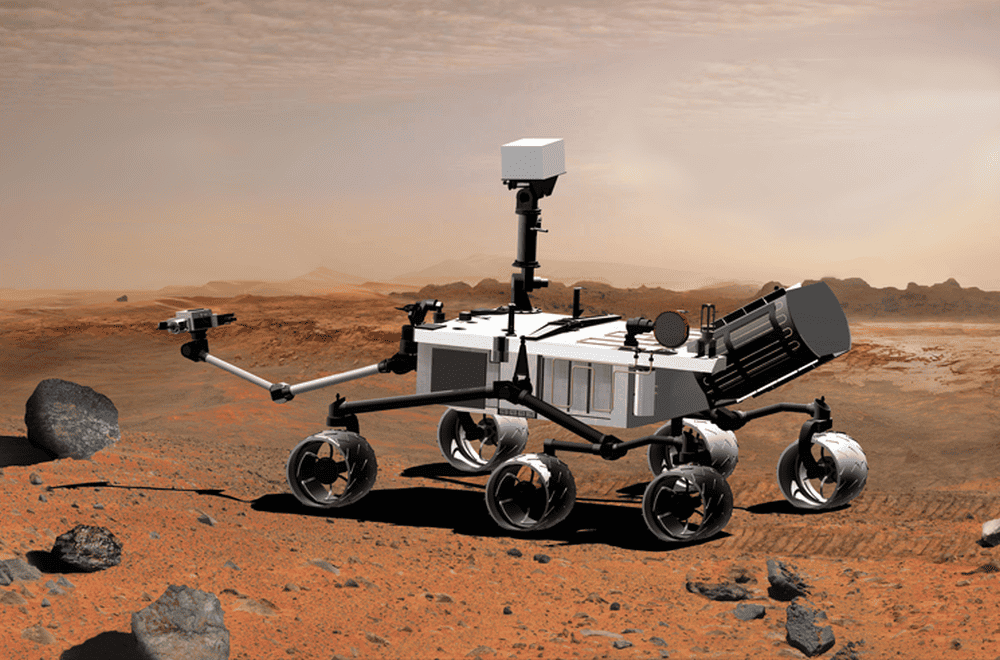
To celebrate the milestone of the 20th volume of the International Journal of Applied Ceramic Technology, the editorial team assembled a selection of journal papers representing the excellent work from the advanced ceramics community. The focus this month is thermoelectrics.
Read MoreElectronics in space—high-temperature electrical tests reveal potential of various packaging materials for silicon carbide sensors

Silicon carbide electronics are expected to play a role in future space missions to hot celestial bodies, such as Venus and the sun. A new study by researchers at NASA Glenn Research Center investigated the electrical properties of several ceramic and glass packaging materials to determine which would best protect silicon carbide electronics at temperatures of more than 800°C.
Read MoreCeramic and glass business news of the week for November 20, 2023
Mercedes-Benz fast-charging network cleared for takeoff, America Makes announces winners of IMPACT project call, and more ceramic and glass business news of the week for November 20, 2023.
Read MoreA ‘wow’ finding—surface weathering transforms ancient Roman glass into natural photonic crystal

Photonic crystals are manufactured structures used in many advanced optical devices to control the flow of light. Researchers in Italy and the U.S. discovered that an ancient Roman glass fragment naturally formed a photonic crystal structure on its surface through environmental weathering.
Read More