
Archive for April 2014
USA Science & Engineering Festival a stunning success—and ACerS was there!
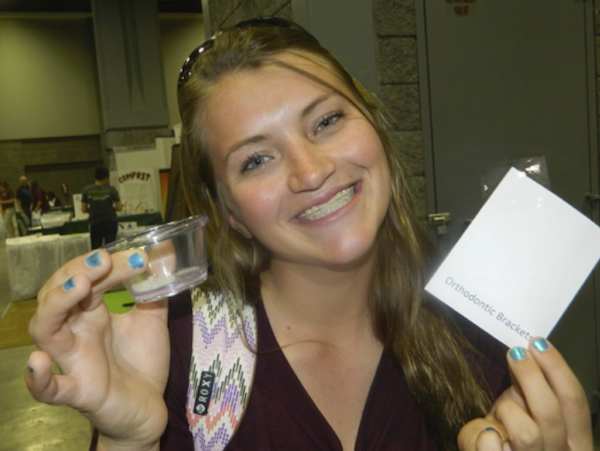
ACerS participated in the 2014 USA Science and Engineering Festival let week that attracted 325,000 attendees.
Read MoreNews from the glass and refractory ceramics world
News from the glass and refractory ceramics world
Read MoreAll natural A/C: Cold Pot combines clay and cooling power of evaporation to change water to cold air
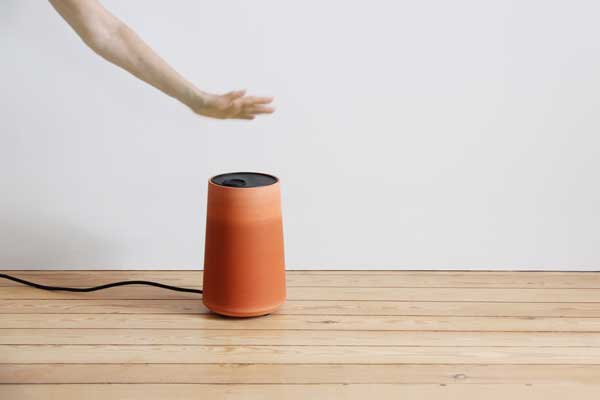
The Cold Pot, created by Swiss designer Thibault Faverie, is an all-natural air conditioner that combines clay and the cooling power of evaporation to change water to circulating cold air.
Read MoreAmericans use more energy in 2013, but increase reliance on renewables, nuclear

Are Americans the gas-guzzling-SUV-loving, non-renewable-resource-powering people we’ve been pegged to be?
Read MoreTribute to Warren W. Wolf, 1941–2014

The Society learned with sorrow that former president Warren W. Wolf died Friday, April 25.
Read MoreNew energy landscapes reveal glass states have rough fractal basins
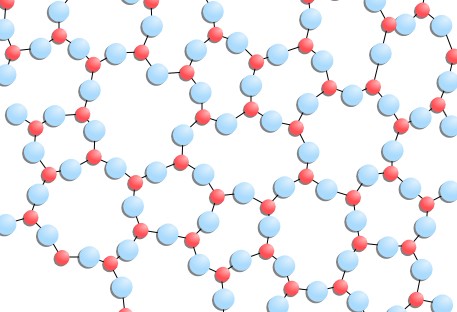
New research from Duke University updates the energy landscape of glasses and shows that the landscape, which maps all possible energy levels of the glass molecules, is much rougher than previously believed.
Read MoreOther materials stories that may be of interest

Other materials stories that may be of interest for April 28, 2014.
Read MoreSurvey: Americans mostly cool with science, so long as it doesn’t mess with grandma

Pew Research Center, in partnership with Smithsonian Magazine, asked Americans what they think about science, and their answers—which range from optimistic to downright dismal—may shock (or entertain) you.
Read MorePhotocatalysis for clean water—Putting sunshine to work for health and safety
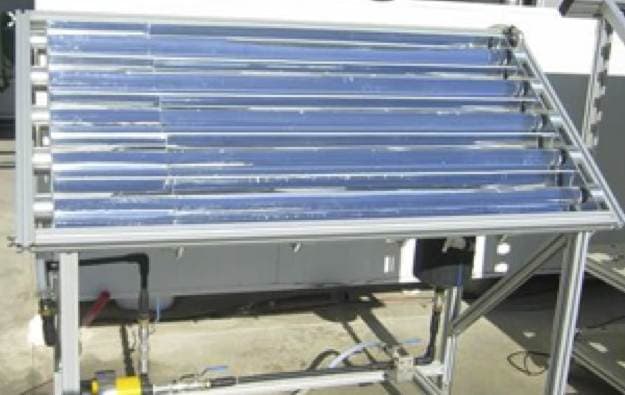
Addressing the global water crisis, a recent paper in Catalysis Science & Technology reviews the current status of solar disinfection technology.
Read MoreCeramic rhapsody: Ceramics are often unrecognized in the world around us, including in pavement markings

Ceramics and glass are integral but unrecognized in a large proportion of our daily lives, including in pavement markings.
Read More