
Posts by Lisa McDonald
Video: Braille smartwatch makes accessing information easier for people with vision impairment
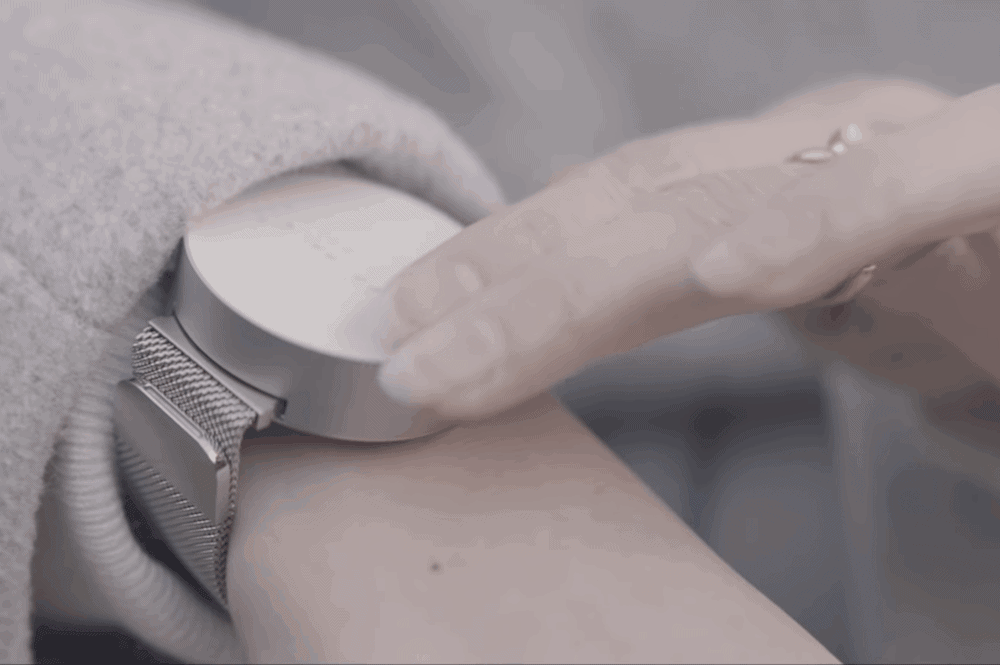
Despite being on the market for decades, braille displays remain very costly, typically in the range of several thousand dollars. Dot Incorporation, a company cofounded by South Korean entrepreneur Eric Ju-Yoon Kim, created a smartwatch featuring a braille touchpad that only costs a few hundred dollars—and the technology can be applied to other devices as well.
Read MoreOther materials stories that may be of interest
New family of atomic-thin electrides, how catalysts age, and other materials stories that may be of interest for June 16, 2021.
Read MoreA decade of discovery: A review of MXenes, the family of 2D transition metal carbides and nitrides
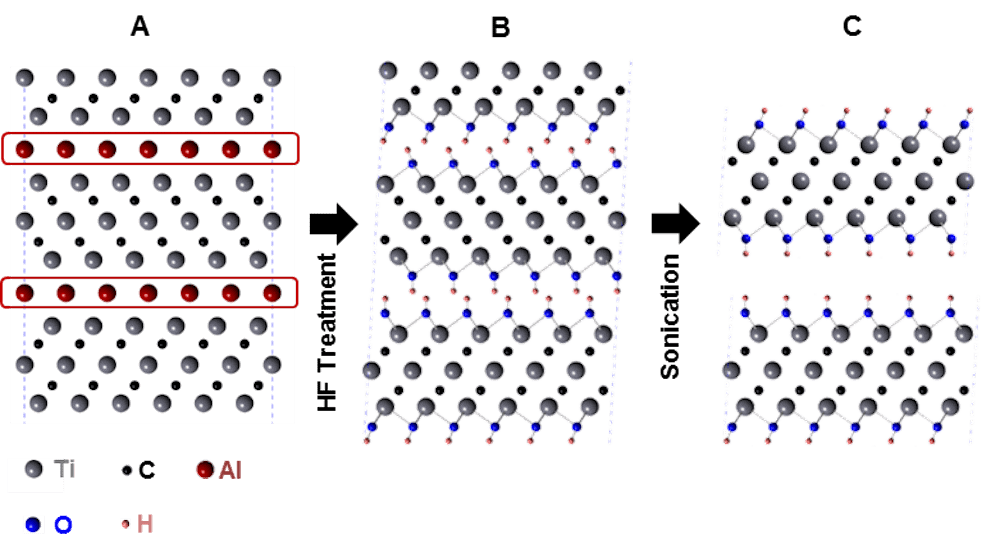
MXenes, the family of 2D transition metal carbides and nitrides, was first discovered in 2011. To celebrate the 10th anniversary of this discovery, researchers led by Drexel University professor and ACerS Fellow Yury Gogotsi published a forward-looking review article in Science that explores the impact and promise of this material family.
Read MoreCeramic and glass business news of the week for June 14, 2021

HeidelbergCement to build the world’s first carbon-neutral cement plant, Air Products and Baker Hughes to collaborate on global hydrogen projects, and more ceramic and glass business news of the week for June 14, 2021.
Read MoreCathodes for Li-ion batteries—researchers explore complex defect structure of LiFePO4

Lithium iron phosphate is a widely used cobalt-free cathode material for lithium-ion batteries. It is known to experience certain kinds of defects in its crystal structure, however, and a recent study led by researchers at the Skolkovo Institute of Science and Technology explores the existence of hydroxyl groups in phosphorus vacancies.
Read MoreVideo: Celebrating World Oceans Day 2021

To celebrate World Oceans Day, which took place June 8, we’ve collected some of our recent CTTs on challenges and solutions related to the world ocean.
Read MoreOther materials stories that may be of interest
Visualizing cement hydration, 99.5% purity rare earth from waste magnets, and other materials stories that may be of interest for June 9, 2021.
Read MorePreparing for contingencies helped companies grow during the pandemic

Last spring, ACerS’ B2B magazine Ceramic & Glass Manufacturing looked at how companies were just beginning to implement the myriad changes necessary to continue operating during a global pandemic. The new June/July 2021 issue showcases a few of the successes achieved by companies that prepared for contingencies and continued to grow during the past year.
Read MoreRecovery of abrasive grains from grinding wheel waste

Grinding is a widely used machining process to smooth and shape parts, yet few studies have explored recovering abrasive grains from the rejected and spent grinding wheels. Sabarinathan Palaniyappan of SSN College of Engineering in India has published a number of papers with his supervisor V.E. Annamalai on this topic.
Read MoreCeramic and glass business news of the week for June 7, 2021
Verder Scientific Inc USA acquires Mager Scientific, Ceramics Expo returns as planned for 2021, and more ceramic and glass business news of the week for June 7, 2021.
Read More