
Posts by Lisa McDonald
Other materials stories that may be of interest
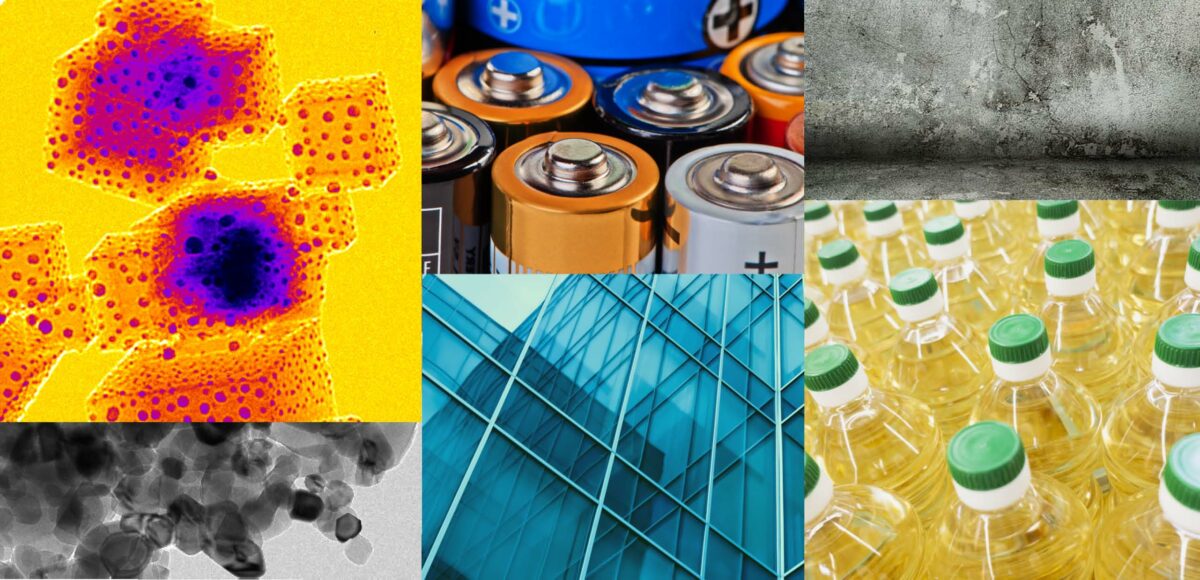
Splitting crystals for 2-D metallic conductivity, nature-inspired design for new electrode could boost supercapacitors’ performance, and other materials stories that may be of interest for March 7, 2018.
Read MoreACerS Journals = valuable member resource
The American Ceramic Society journal editors and staff are making the journals more accessible to the ACerS members with new…
Read MoreElectronic circuits are 3-D printed with silver nanowire ‘ink’ for variety of flexible devices
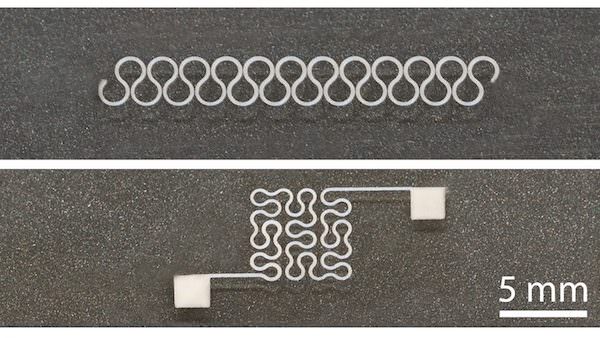
Researchers have developed a process that uses silver nanowires to print electronic circuits on flexible surfaces. Their method could be promising for the future of flexible and wearable electronics, especially for the medical industry.
Read MoreNewly formed consortium uses interdisciplinary membership, industry dialogue to advocate thermodynamic data
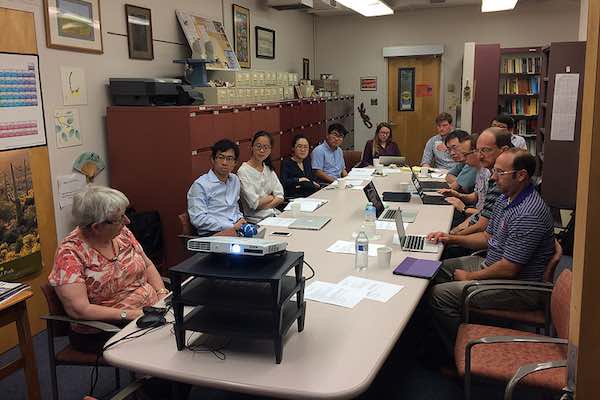
A recently established Thermodynamics Consortium is aiming to bolster thermodynamic research by enhancing interactions, collaborations, and activities of a wide variety of scientists involved in thermodynamics research.
Read MorePermeable concrete prevents water runoff while solving carbon fiber waste problem
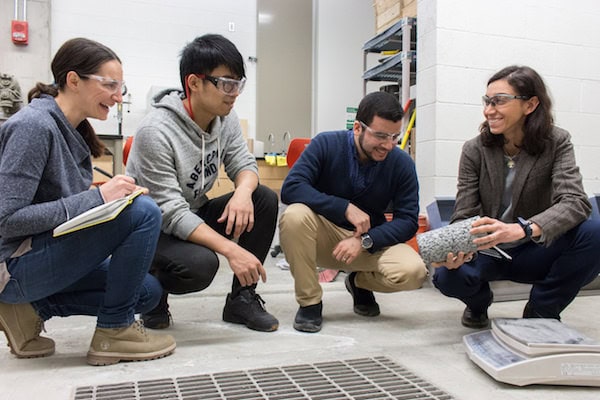
Researchers have developed a type of permeable concrete that solves two problems: flooding from water pooling during heavy rains and recycling of an industrial waste product that previously had no reuse applications.
Read MoreMaterials advances broaden prospects for ceramics in future fuel cells
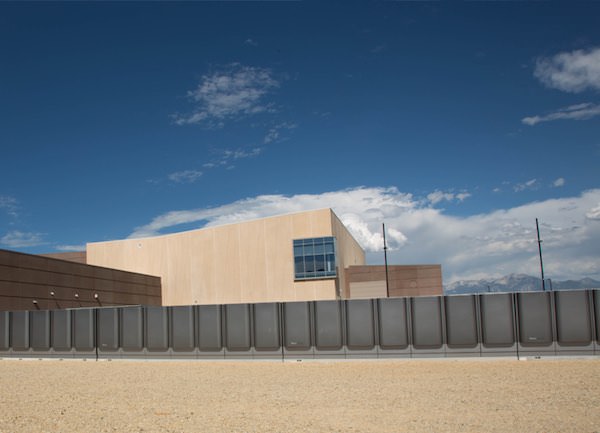
Researchers at Northwestern University have developed a high-efficiency protonic ceramic fuel cell that operates at mid-range temperatures; and researchers at the University of Wisconsin–Madison are harnessing the power of computation to identify better materials for solid oxide fuel cells.
Read MoreVideo: Engineering students compete in concrete toboggan race

Did you miss the Olympics this year? Today’s video features an annual concrete toboggan race, in which engineering students from across Canada (and sometimes beyond) compete to build a 350-lb. toboggan with concrete runners.
Read MoreOther materials stories that may be of interest
Scalable 2-D materials advance future-gen electronics, using a laser to wirelessly charge a smartphone safely across a room, and other materials stories that may be of interest for February 28, 2018.
Read MoreWiley identifies top downloaded ACerS journal articles

ACerS publishing partner Wiley has identified the top downloaded articles from 2016–2017 for each ACerS journal. Many articles are open access, and others will be free-to-read until March 31.
Read MoreUS DOE earmarks $35M to solve advanced manufacturing challenges; businesses solve workforce challenges at local level
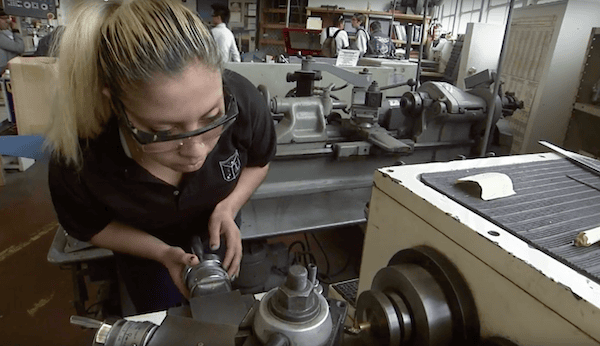
The U.S. Department of Energy recently funded 24 manufacturing research projects in the amount of $35 million to solve advanced manufacturing challenges. At the local level, businesses are partnering with academia and nonprofits to solve manufacturing’s workforce challenges.
Read More