
Posts by Lisa McDonald
Smart window technology uses magnetic nanoparticles suspended in fluid to control light, heat
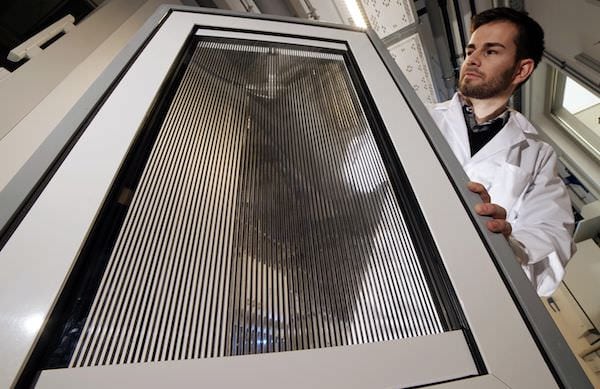
Most current energy-saving window technology requires electricity to power the windows. But a research team has devised a fluidic window that uses magnetic nanoparticles to control the window to capture solar energy.
Read MoreVideo: Extraterrestrial glass found in Africa questions theories of solar system’s creation
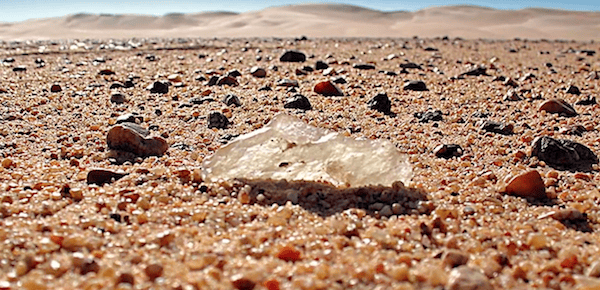
Scientists have discovered that glass stones found in Africa in 1996 consist of a mineral matrix and chemical element properties unlike anything in our solar system—leading them to question how our solar system originally formed.
Read MoreBMW, ACerS introduce new products at Daytona Beach last week

ACerS, like BMW, unveiled new products at the Hilton Daytona Beach last week. We introduced the new Bulletin Archive Online, while BMW introduced its M8 GTE race car.
Read MoreOther materials stories that may be of interest
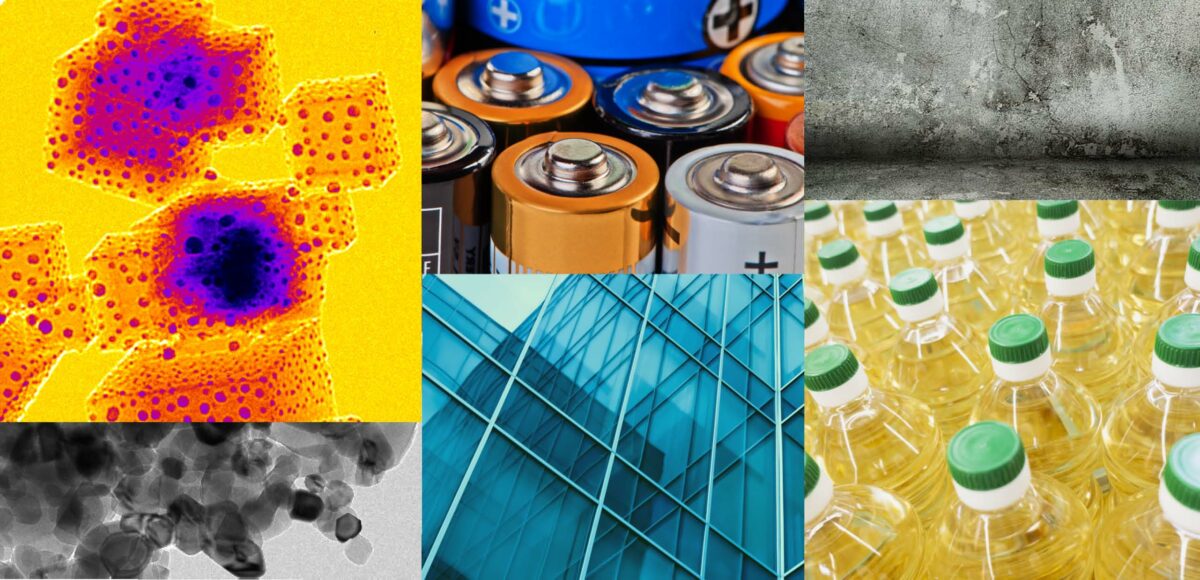
Motion of 2-D materials could lead to new source of clean energy, metal-mesh membrane could solve longstanding problems with rechargeable batteries, and other materials stories that may be of interest for January 31, 2018.
Read MoreSkiing on ceramics and technology-enhanced fashion—Materials science heats up athletic competition in Winter Olympics

In addition to the incredible feats of human fitness and skill on display at the Olympics, there’s a lot of research and development that happens behind the scenes to make the games the to-the-finish-line competition that they are—including plenty of materials science.
Read MoreRecycled cathodes on spent lithium-ion batteries could save money and the environment
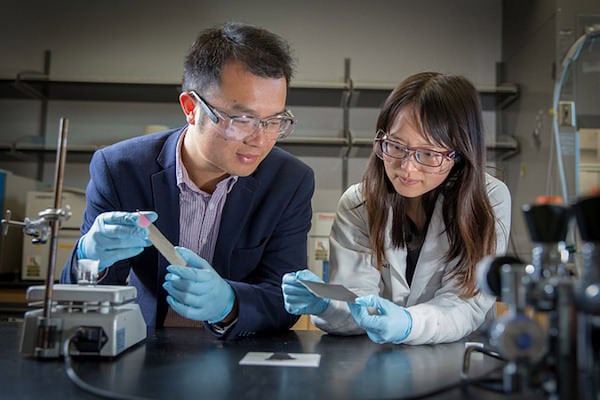
Researchers have developed a process to recycle used cathode materials in spent lithium-ion batteries. Their recycling method could lower costs of rechargeable batteries as well as reduce depletion of resources and environmental impact.
Read MoreTobermorite combines with white graphene to make heat- and radiation-resistant ceramic
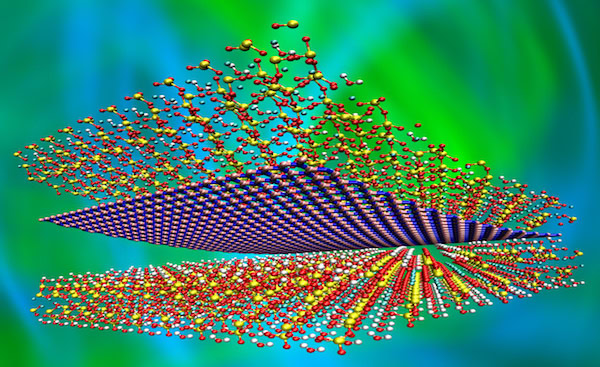
Researchers have created a high-performance ceramic composite that is strong, durable, and resistant to heat and radiation. The findings could be useful in industries that require highly functional and durable ceramic materials—such as nuclear power plants, aerospace, and oil and gas industries.
Read MoreICACC 2018—Never a dull moment between sessions, networking, and government shutdown

ICACC organizers worked around havoc created by the federal shutdown to deliver a conference with excellent technical content, networking, and an expo.
Read MoreIntroducing the Bulletin Archive Online—A complete digital library of ceramic and glass expertise dating back to 1922

The American Ceramic Society is excited to announce that the entire library of past ACerS Bulletin issues—97 volumes, dating all the way back to 1922—is now available online in a fully searchable and downloadable Bulletin Archive Online digital database.
Read MoreVideo: Self-healing concrete uses fungal spores to fix cracks with calcium carbonate

Using a fungus called Trichoderma reesei, researchers at Binghamton University in New York are developing a self-healing concrete formulation that incorporates fungal spores that remain dormant until a crack forms.
Read More