
Posts by Lisa McDonald
Solar window changes from transparent to tinted while generating electricity
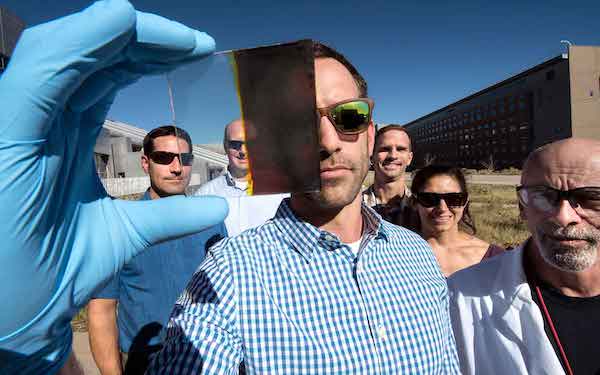
Researchers have developed a photovoltaic device that generates electricity from sunlight that passes through thermochromic windows. Their device could provide power to buildings, smartphone batteries, and other electronics.
Read MoreGoing to ICACC 2018? Don’t miss these student and young professional events
Make sure to attend the student and young professional activities at the 42nd International Conference and Expo on Advanced Ceramics…
Read MoreSuper ceramic material builds superconducting magnet, setting new world record strength of 32T
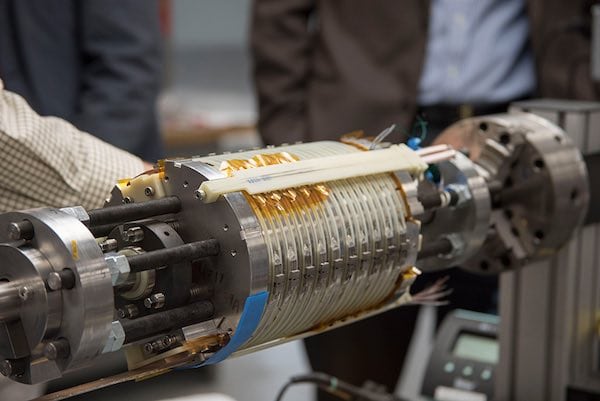
The National High Magnetic Field Laboratory at Florida State University has used high-temperature superconducting ceramic materials to set a new world record for the strongest superconducting magnet, with a field strength of 32 tesla.
Read MoreA toast to glass: The Glass of Wine book is full-bodied blend of wine and glass, finished with a hint of science

The Glass of Wine is a new book that takes you through the entire wine experience—focusing on winemaking, glass, and the science and technology behind the process of making both.
Read MoreVideo: How to turn sand into a liquid without melting

The melting point of a solid is the temperature at which the solid transforms into a liquid—but is it possible to lose structural rigidity without a change in temperature? Engineer and YouTuber Mark Rober has filled his hot tub with sand to give us the answer.
Read MoreOther materials stories that may be of interest
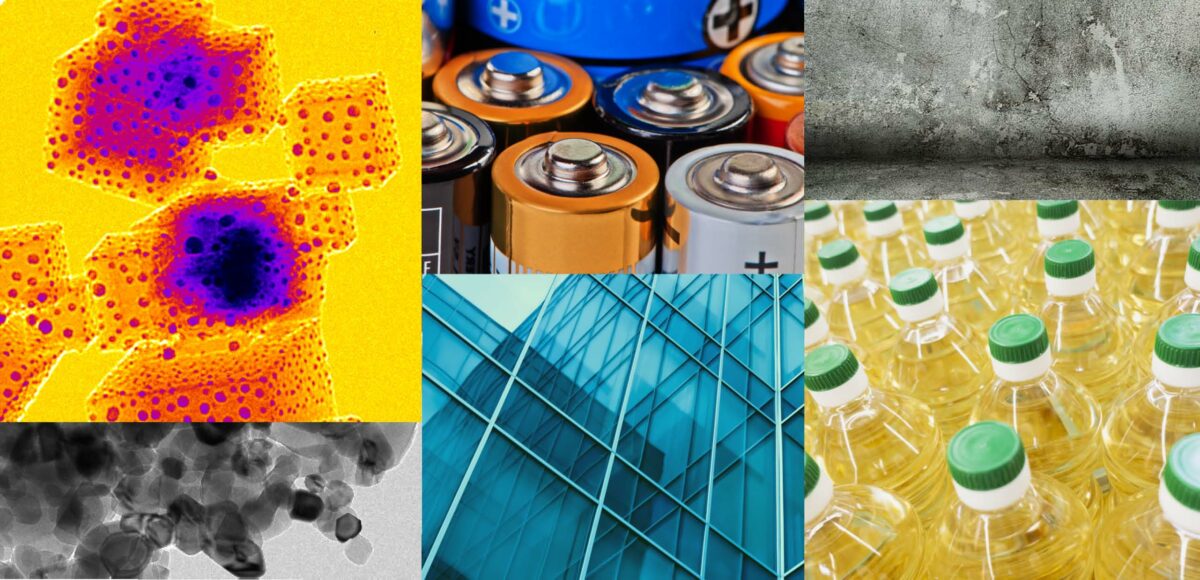
Chemists synthesize narrow ribbons of graphene using only light and heat, researchers make solid ground toward better lithium-ion battery interfaces, and other materials stories that may be of interest for December 13, 2017.
Read MoreSea urchin-inspired cement could enable more fracture-resistant concrete
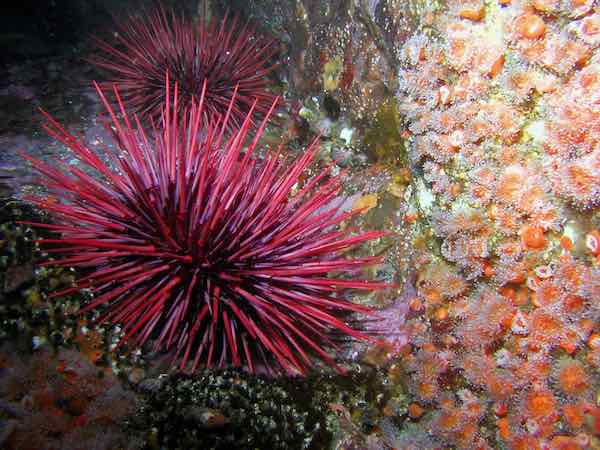
Researchers at the University of Konstanz in Germany have shown that they can engineer stronger cement by giving the material a nano-level brick and mortar structure. Adding polymer binders into cement to control its nanostructure, the researchers developed a material 40–100 times more fracture resistant than standard concrete.
Read MoreBrittle starfish offers lessons in creating durable ceramics
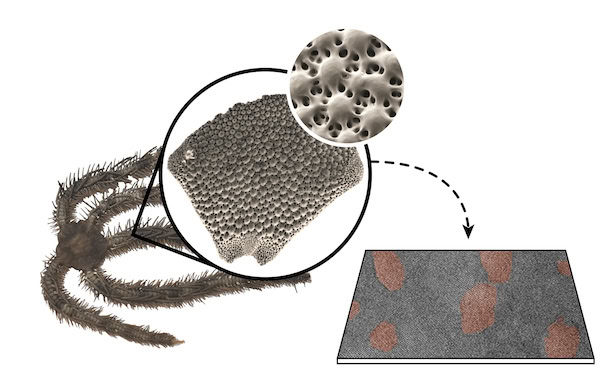
Scientists have discovered that a brittle starfish has the capability to create a durable “tempered” ceramic material while underwater. Its process is similar to the creation of tempered glass, but without the heating and cooling process.
Read MoreThe road to REE independence: Rare-earth elements discovered in U.S. coal basins

A collaboration between the U.S. Department of Energy, academia, and business has resulted in the discovery of high concentrations of rare-earth elements in several U.S. coal basins. The success of this discovery could eventually reduce the U.S.’s dependence on imported rare earths.
Read MoreOne flash spark plasma sintering to rule them all: Technique can densify most materials in mere seconds

Researchers at San Diego State University have developed a flash spark plasma sintering technique that can densify all kinds of materials, regardless of their electrical conductivity, in a matter of just seconds.
Read More