
Posts by Lisa McDonald
Video: Building better lithium-ion batteries by blowing them up
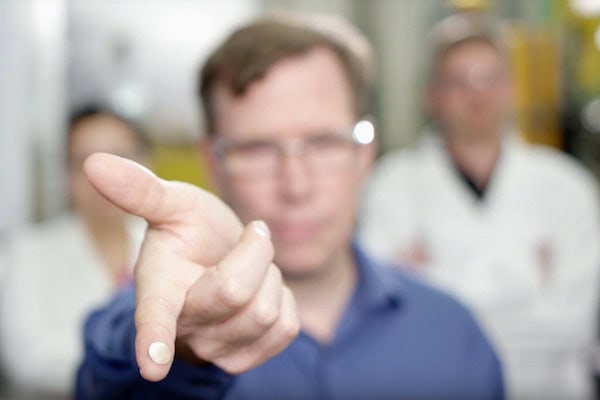
Scientists at the National Renewable Energy Laboratory are developing technology to improve the thermal performance of lithium-ion batteries. And that all starts with studying how batteries fail.
Read MoreOther materials stories that may be of interest
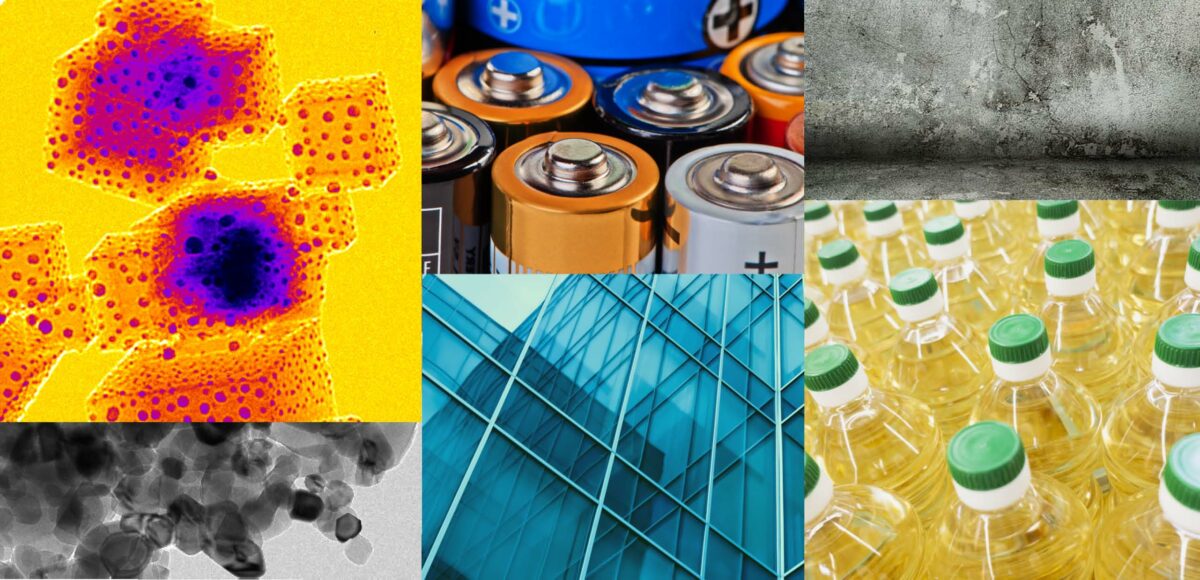
Molybdenum ditelluride could bring optical communication onto silicon chips, 3-D printer makes first wearable ‘battery’, and other materials stories that may be of interest for November 1, 2017.
Read MoreDOE projects could revive domestic rare-earth element production
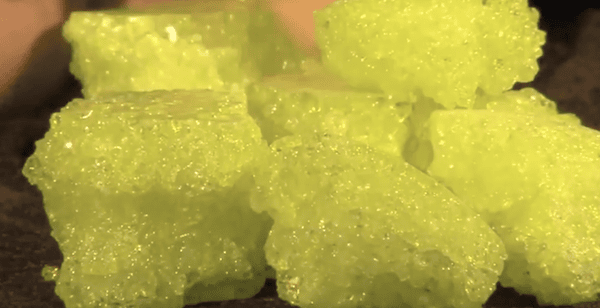
A collaboration between Battelle and Rare Earth Salts is one of several DOE projects to revive rare earth production in the U.S. Researchers are working to extract rare-earth elements from coal fly ash—which could also provide a boost to the coal industry.
Read MoreHalloween science: Ceramics help create the gore of early Hollywood horror flicks

There’s some interesting science behind Hollywood’s many renditions of fake blood. And ceramics even helped some of the earliest horror film directors achieve the perfect consistency to fake out—and freak out—moviegoers.
Read MoreNanodiamond–gutta percha composite prevents infection after root canal

In a new clinical trial, scientists have shown that nanodiamonds mixed with gutta percha, a dental filling, can prevent bacterial infection after a root canal. The results represent a key milestone for the nanodiamond field and nanomedicine in general.
Read MorePolymer-derived ceramics article published in JACerS cinches top spot in past decade of Web of Science rankings
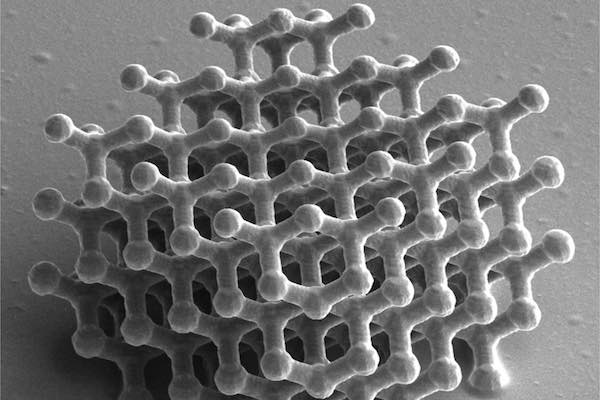
An article published in the Journal of the American Ceramic Society has scored the current top-ranking position in Web of Science standings of all articles published in the Materials Science Ceramics category in the past ten years.
Read MoreVideo: 11-year-old develops lead-detecting device using carbon nanotubes, earns title of America’s Top Young Scientist

An 11-year-old recently earned the distinction of America’s Top Young Scientist along with a $25,000 prize when she created a device that detects lead in water. The device incorporates carbon nanotubes and pairs with a mobile app to immediately provide water quality data.
Read MoreOther materials stories that may be of interest
Taming ‘wild’ electrons in graphene, novel process facilitates production of high-voltage lithium-ion cathodes, and other materials stories that may be of interest for October 25, 2017.
Read MoreSea sponges use protein filament to pattern silica deposition and build intricate glass spicules
New research shows that sea sponges use an internal protein filament to catalyze silica deposition, ultimately determining the shape of their uniquely structured glass spicules.
Read MoreCeramic pump operates at 2,552ºF for thermal energy conversion
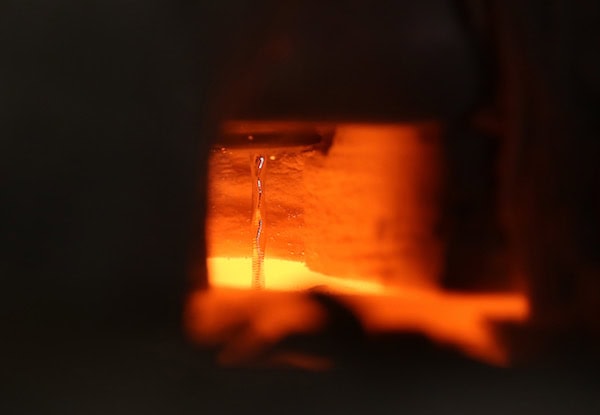
Researchers built the first ceramic pump that can transfer liquid metals up to 1,673 Kelvin (2,552ºF). The pump could be used for renewable energy storage, producing hydrogen from methane without releasing CO2, and to develop new types of batteries.
Read More