
Posts by Lisa McDonald
Printable ceramic nanoparticle ink creates luminescent holograms for enhanced security

Scientists at ITMO University in Russia recently developed a scalable method of printing europium-doped zirconia nanoparticles into beautifully glowing security holograms that could secure the authenticity of printed documents and more.
Read MoreVideo: The alchemy of glass, plus other facts and musings about this versatile material

This video, created by the European Glass Container Federation, illustrates the many technological advances in glass over time—and the significant contributions this versatile material has made to improve our world.
Read MoreOther materials stories that may be of interest
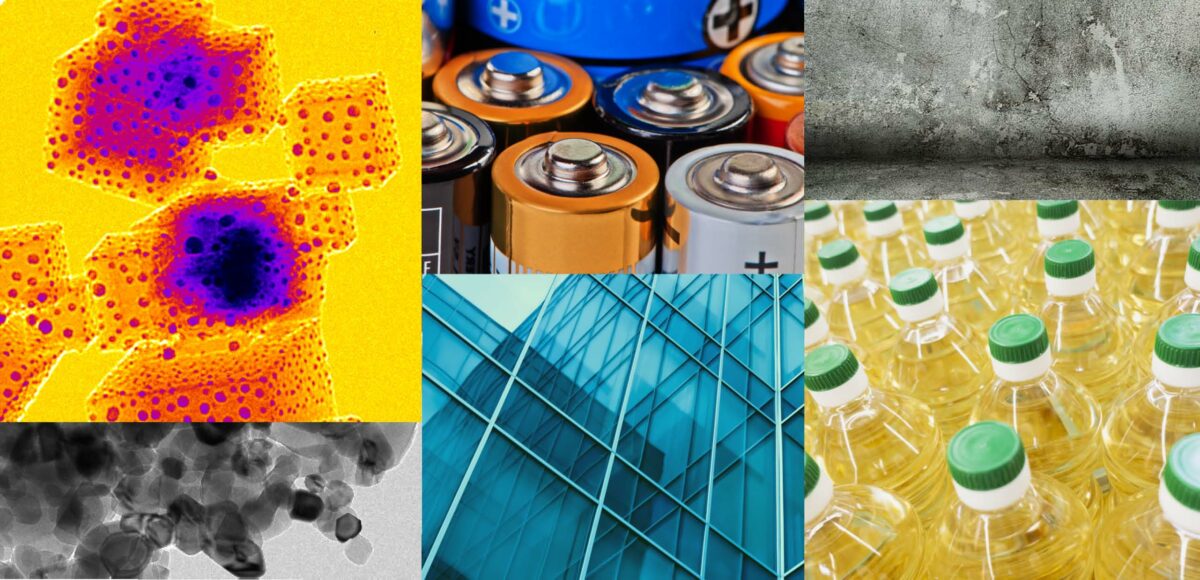
Most precise band gap measurement yet for hotly studied molybdenum disulfide, breakthrough in magnesium batteries, and other materials stories that may be of interest for August 30, 2017.
Read MoreNew desalination process uses carbon nanotubes to filter salt from seawater

A research collaboration has resulted in a new desalination process, using carbon nanotube “straws” to filter out salt from seawater. It could prove to be the next step in getting clean water to underdeveloped countries.
Read MoreA window to the brain: Biocompatible ceramics open clear options for ultrasonic brain treatment
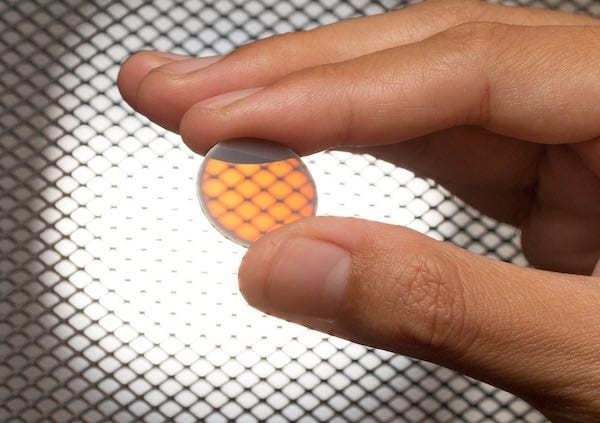
An international group of researchers has a clear idea for a solution to deliver noninvasive ultrasound brain treatment to patients—a transparent ceramic window implanted into the skull that would allow continued ultrasonic therapy delivered directly to the brain.
Read MoreCigarette butts mixed with asphalt create new pavement material

A research team may have solved the cigarette butt litter problem. By mixing discarded cigarette butts with asphalt concrete, they produced a material that can handle heavy traffic and reduce the urban heat island effect.
Read MoreOpen-access article highlights role of ceramics and glass to meet society grand challenges

An open-access article in the Journal of the American Ceramic Society reports on the findings of a September 2016 NSF-sponsored workshop on the role of ceramic and glass science research in meeting society’s grand challenges.
Read MoreVideo: Green on the go—Mobile solar panel brings plug-and-play power from the sun anywhere

When it comes to harnessing solar energy on the go, a company called SolPad has introduced a nifty new product that could allow you to take the power of the sun anywhere—SolPad Mobile is an all-in-one solar solution that incorporates gallium nitride solar cells and solid-state battery storage into one sleek, portable, clean energy-providing package.
Read MoreOther materials stories that may be of interest
Black phosphorous ink could transform production of new laser and optoelectronic devices, the power of perovskite, and other materials stories that may be of interest for August 23, 2017.
Read MoreWhat’s really inside your smartphone: A pile of raw minerals and serious social consequences

According to a laboratory compositional analysis, the elemental recipe for a 129-g Apple iPhone includes about 24.1% aluminum, 15.4% carbon, 14.4% iron, and 14.5% oxygen by weight. And altogether, that pile of smartphone powder—ground from a $700 device—has a raw elemental value of about $1.03.
Read More