
Posts by Lisa McDonald
News from the glass and refractory ceramics world
News from the glass and refractory ceramics world
Read MoreWant to watch your food while it grills? Schott wants you to, too
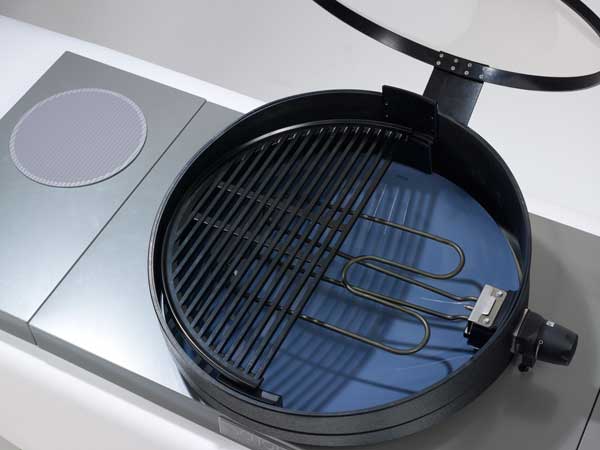
The same company that’s putting its fire-rated glass ceramics to the ultimate safety test is working just as diligently to make your grilling experience that much sleeker and see-through.
Read MoreBuilding a better flight: Synchrotron’s X-rays probe the failure of thermal barrier coatings

An international team of researchers recently got a rare glimpse into what happens in thermal barrier coatings as they operate—by using a custom-built furnace and some heavy-duty X-rays.
Read MoreCeramics and glass business news of the week

Ceramics and glass business news of the week for August 29, 2014.
Read MoreTrash to treasure: Organic bio-bricks made from mushrooms make for cooling (and cool-looking) construction

A new bio-brick installation that marries form with function shows that carbon-friendly construction components can also be award-winning works of art.
Read MoreCeramics stare down the barrels of Los Alamos’ guns
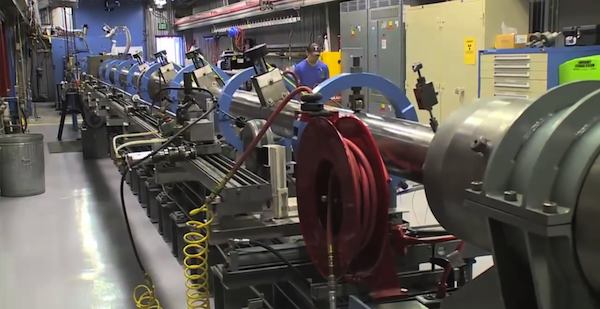
Los Alamos National Lab’s gas and powder guns aren’t just for show—they help scientists better understand materials by providing really detailed information about what happens in those materials in response to compression.
Read MoreOther materials stories that may be of interest
Other materials stories that may be of interest for August 27, 2014.
Read MoreMicroscopy and modeling work together to improve nuclear fuel design
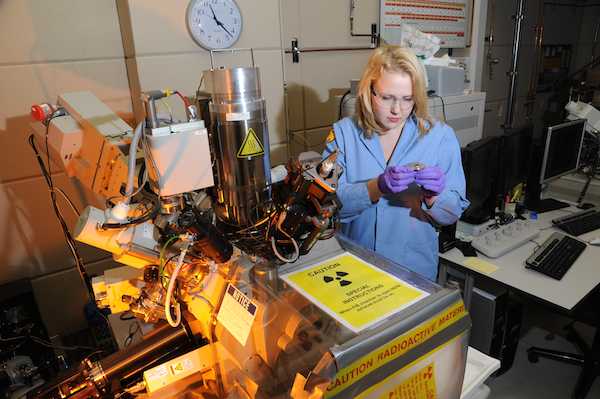
Melisssa Teague and colleagues at Idaho National Lab are pioneering research that is providing a microscale view of irradiated fuel, a 3D glimpse that has never been seen before.
Read MoreNews from the glass and refractory ceramics world
News from the glass and refractory ceramics world.
Read MoreDOE doles out $67 million to advance nuclear research, clean energy innovation
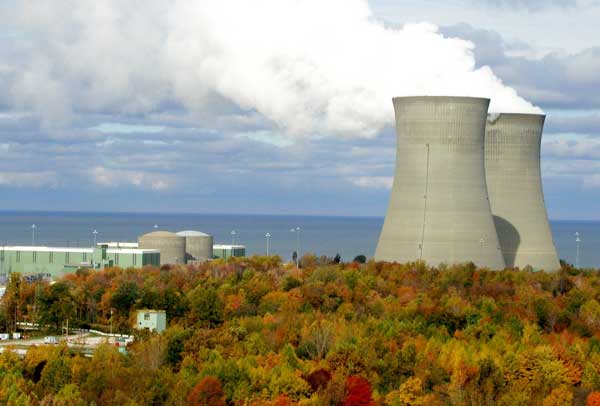
Last week, the Energy Department announced a $67-million funding infusion for research on nuclear energy and clean energy innovation, which, according to a DOE news release, builds on the Obama administration’s efforts to expand such innovation.
Read More