
Posts by Lisa McDonald
Video: How to create a float for Macy’s Thanksgiving Day Parade
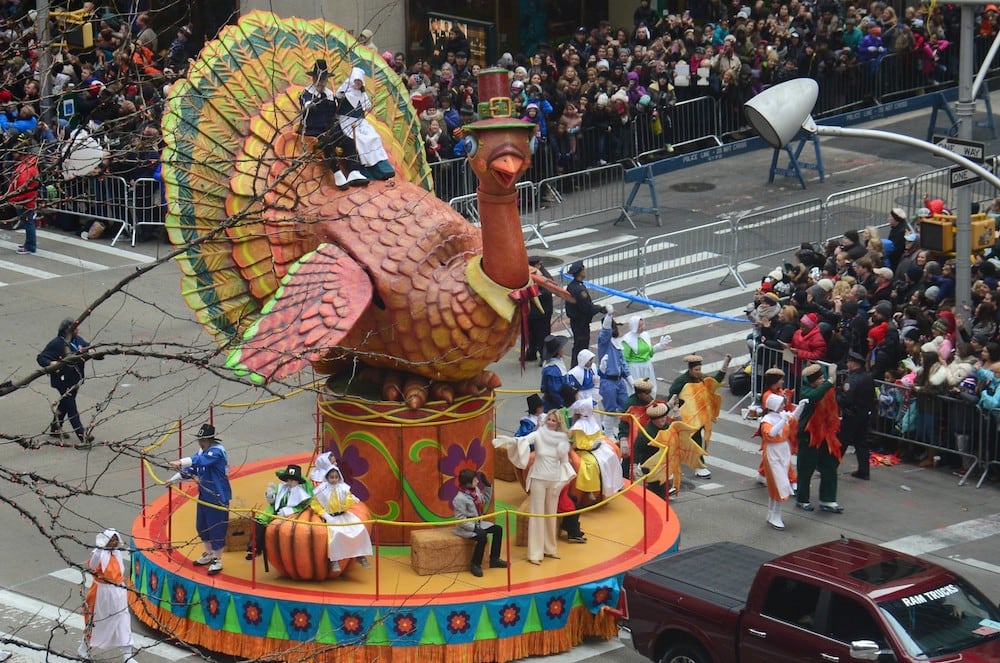
Have you ever wondered what it takes to create a float for the Macy’s Thanksgiving Day Parade? Find out the steps involved in the design process and take a look at the five new floats that will debut this Thanksgiving!
Read MoreOther materials stories that may be of interest
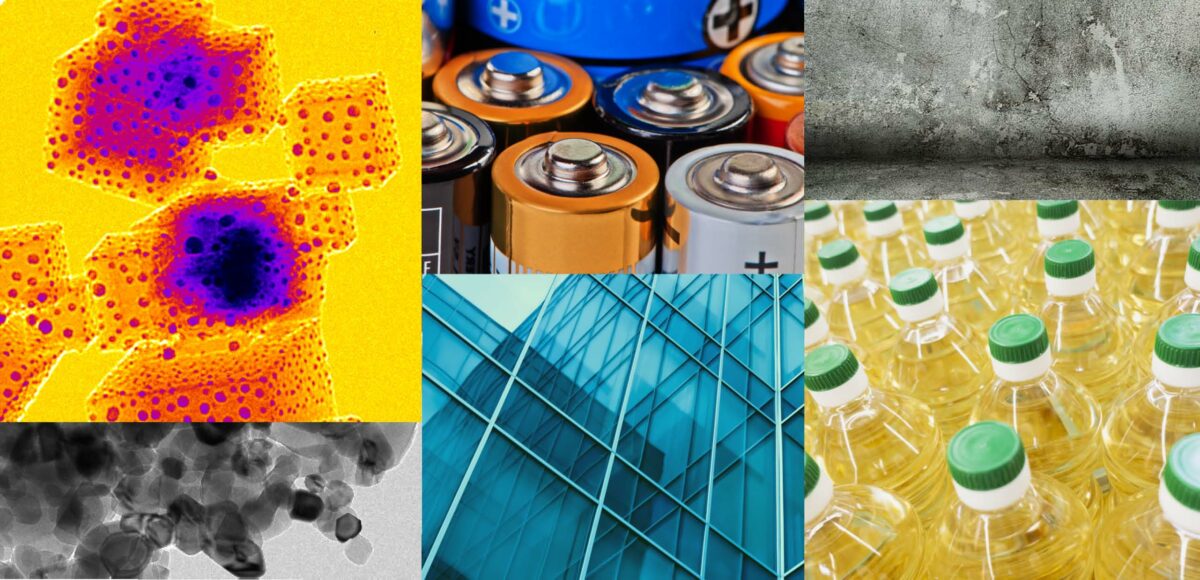
Grow carbon nanotubes using newspaper, ammonia production, and other materials stories that may be of interest for November 27, 2019.
Read MorePorcelain enamel in history: The all-ceramic homes of World War II
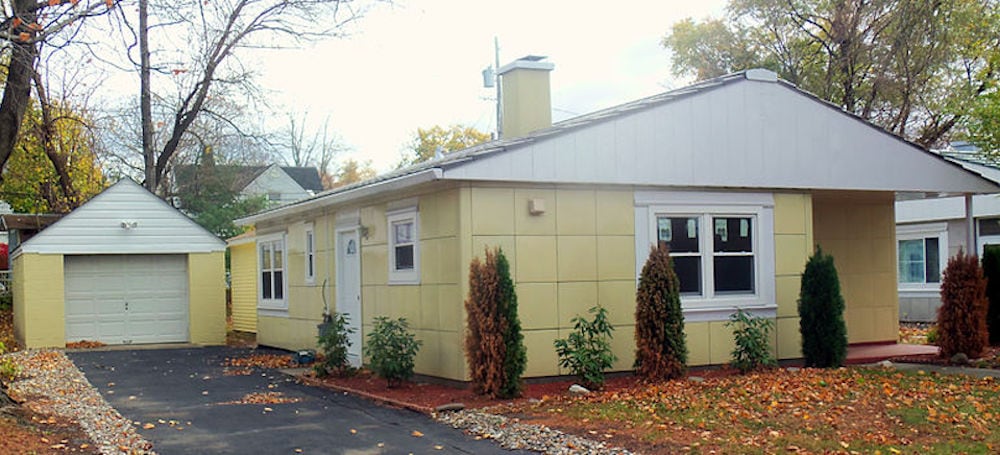
Porcelain enamel is found in various products, places, and applications in modern homes, but at one point in history, it looked like houses would be made entirely of this material. Learn the history of the Lustron homes that served as a quick and low-cost solution to the post-World War II housing crisis.
Read MoreBioglass vs brawn: Developing sturdier bioglass capsules for RFID tracking devices

Bioglass brittleness limits the implantation of bioglass encapsulated RFID tracking devices in animals that butt heads for dominance. Florida A&M University researchers used force distribution models to develop a sturdier bioglass capsule design.
Read MorePower over Ethernet: The wire(not)less future of smart buildings
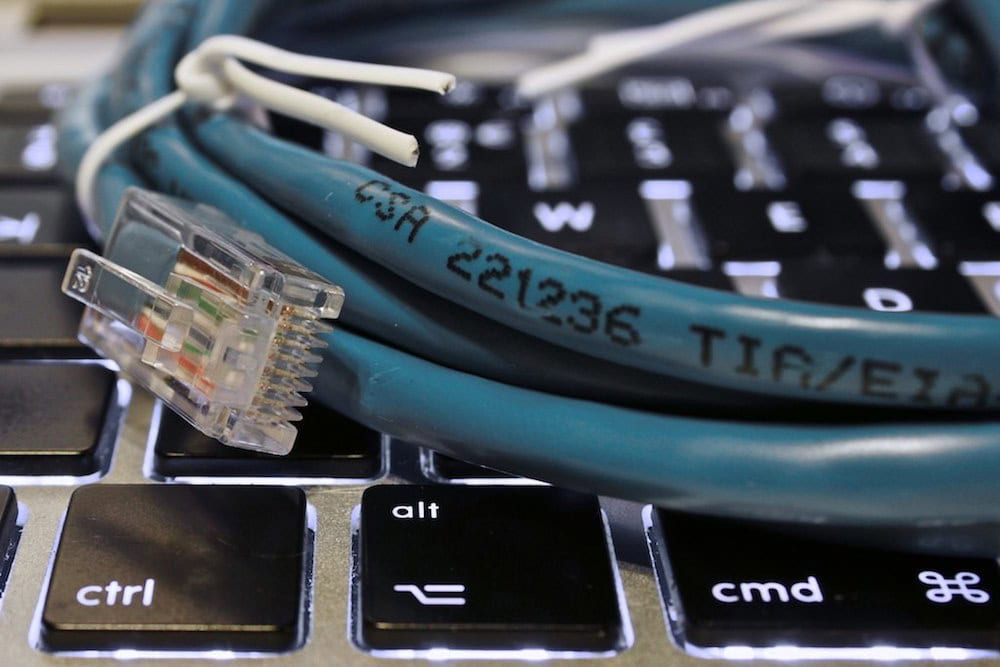
Many companies tout wireless devices as key to the Internet of Things. In the case of smart buildings, though, Ethernet cables may be the best way to achieve IoT. Learn what Power over Ethernet (PoE) offers smart buildings and take a look at a new hotel that uses PoE.
Read MoreCeramic and glass business news of the week

High temperatures achieved using concentrated solar power, world’s biggest lithium-ion battery grows larger, and more ceramic and glass business news of the week for November 22, 2019.
Read MoreCeramics and glass make a home, plus more inside December 2019 ACerS Bulletin
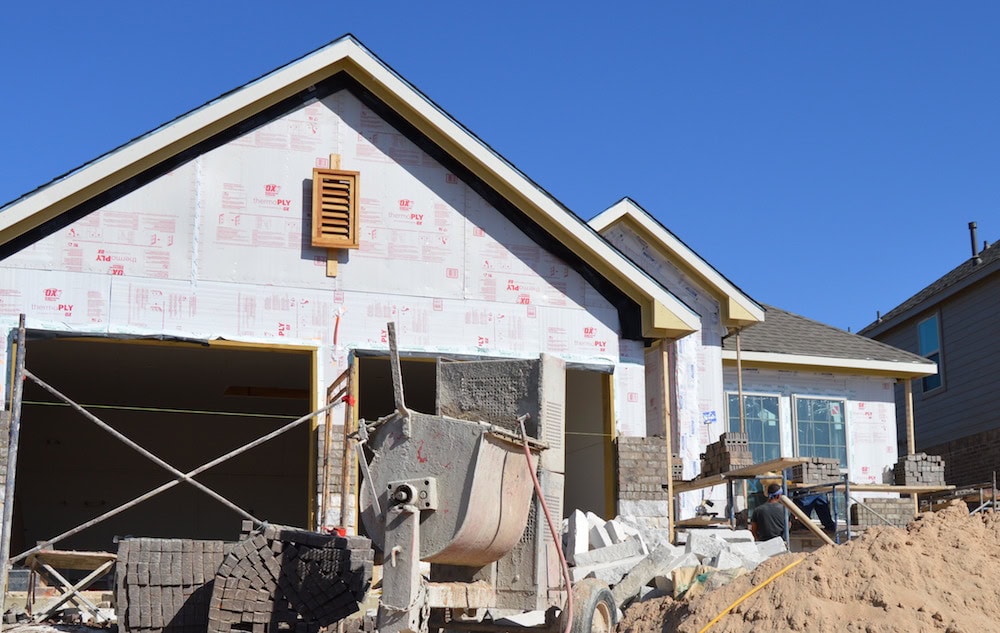
The December 2019 issue of the ACerS Bulletin—featuring ceramic and glass materials in a house—is now available online. Plus—ceramicSOURCE 2020 and C&GM (new!)
Read MoreVideo: Blue is cool—pigment containing ceramic microspheres cools Qatar roads

In anticipation of hosting the FIFA World Cup in 2022, Qatar is actively implementing cooling technologies to combat the intense heat. One technology being tested to cool roads is a blue heat-reflective pigment containing hollow ceramic microspheres.
Read MoreOther materials stories that may be of interest
Slippery toilet coating provides cleaner flushing, thin heat shield for superfast aircraft, and other materials stories that may be of interest for November 20, 2019.
Read MoreExpand your impact—ensuring your science reaches the right audience

Research has impact when it can bring about changes to behaviors, ideally for the benefit of society. Make sure your science reaches the right audience by using the tips in this article.
Read More