
Posts by Lisa McDonald
Video: Solid acid fuel cells—a 20-year journey to advancing the hydrogen economy
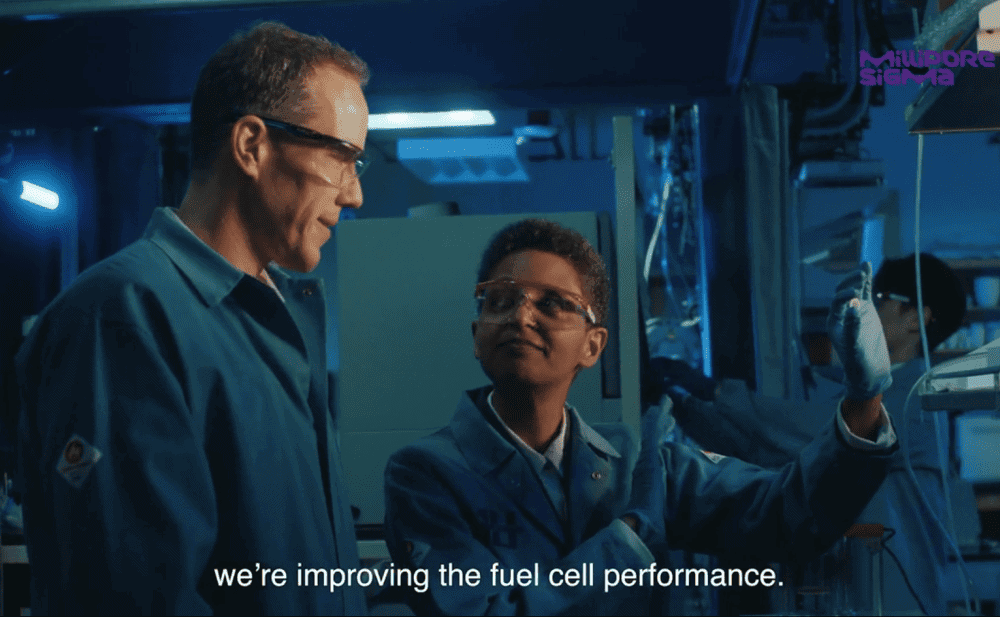
There are many challenges to realizing a hydrogen economy that occur all along the supply chain. One challenge—converting the carrier molecule ammonia back into hydrogen—could be solved using solid acid fuel cells. ACerS Fellow Sossina Haile first developed this type of fuel cell in the late 1990s. Today’s CTT looks at Haile’s 20-year journey with her first Ph.D. student, Calum R. I. Chisholm, to realize the potential of this technology.
Read MoreOther materials stories that may be of interest for May 17, 2023
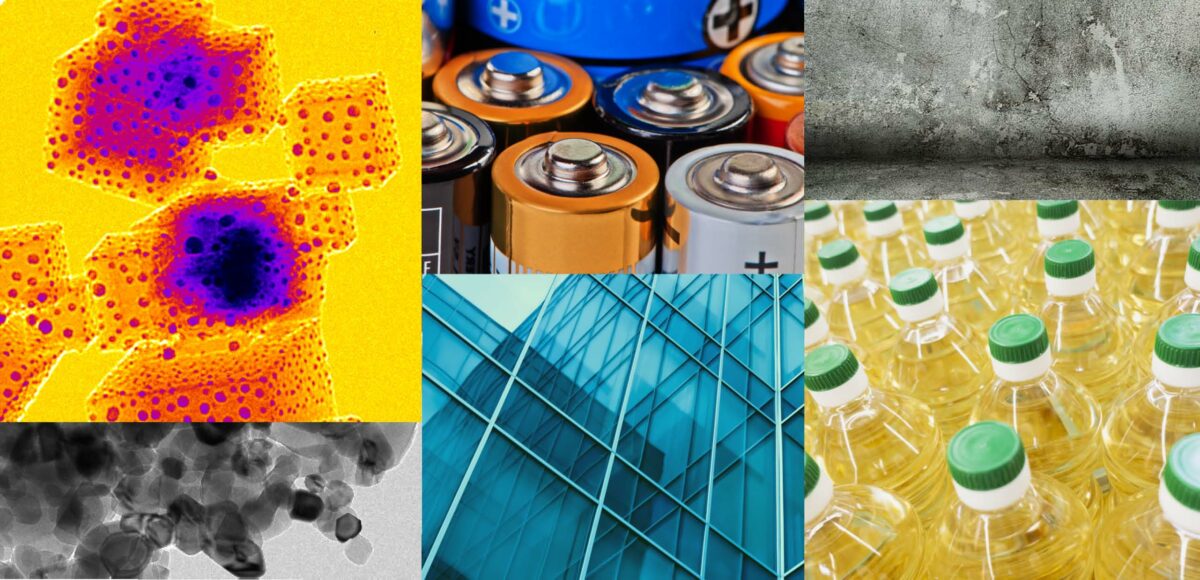
Catalyst curbs corrosion in fuel cell, microprinting inside materials, and other materials stories that may be of interest for May 17, 2023.
Read MoreIntroduction to “Ultrahigh-temperature ceramics” for ACT @ 20
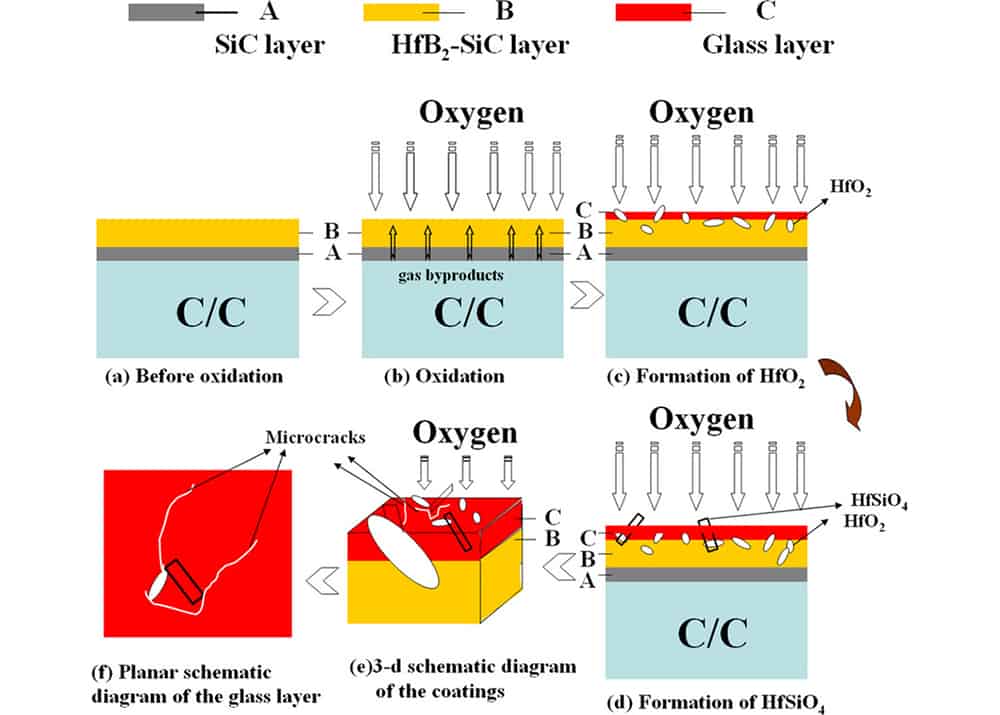
To celebrate the milestone of the 20th volume of the International Journal of Applied Ceramic Technology, the editorial team assembled a selection of journal papers representing the excellent work from the advanced ceramics community. The focus this month is ultrahigh-temperature ceramics.
Read MoreAerated concrete: A ‘pore’fect tool in the construction industry’s advance toward sustainability

Reducing the amount of raw material needed to produce concrete is one way to help cut emissions in this industry. Aerated concrete, a lightweight and porous construction material, contains less raw material per volume than many other building products. Today’s CTT contains a brief overview of this material, including its history, production methods, applications, and ways to improve its end-of-life sustainability.
Read MoreCeramic and glass business news of the week for May 15, 2023

Large-scale floating solar park to be built in Swiss Alps, roadmap spotlights priorities for European astronomy, and more ceramic and glass business news of the week for May 15, 2023.
Read MoreMultifunctional materials for next-gen devices: Flame-resistant composite achieves low thermal and high electrical conductivities
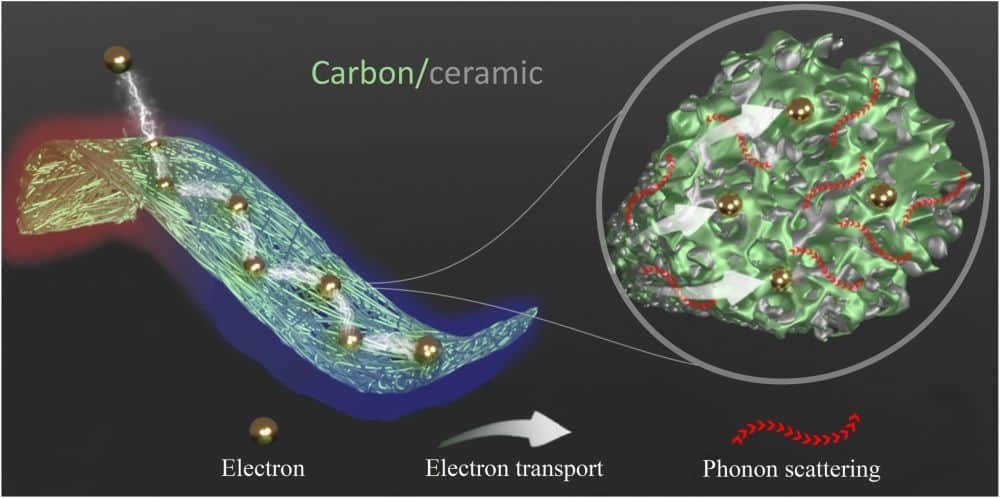
As new energy conversion and miniaturized electronic systems are developed, it is desirable to have a material that exhibits both extremely low thermal and high electrical conductivities. University of Bayreuth researchers fabricated a flexible carbon/silicon nonwoven composite with such properties, as well as being flame resistant and thermally stable.
Read MoreVideo: Cement Association of Canada takes concrete steps toward a net-zero cement and concrete industry

Various regional and global groups within the cement and concrete industry are actively working to help achieve a reduction in emissions in this sector. The Cement Association of Canada is one such group, and today’s CTT looks at several prominent initiatives the Association has helped launch this past year.
Read MoreOther materials stories that may be of interest for May 10, 2023
Symmetric graphene quantum dots, data from a diamond sandwich, and other materials stories that may be of interest for May 10, 2023.
Read MoreCeramics Expo 2023: Driving the future of ceramics manufacturing

Ceramics Expo took place this year in Novi, Mich., from May 1–3, 2023. Transportation and energy technologies were prevalent throughout this year’s technical forums, which also included sessions on extreme applications and traditional and advanced manufacturing methods.
Read MoreFreely available deep learning method ‘fills in the blank’ of unknown internal material structures
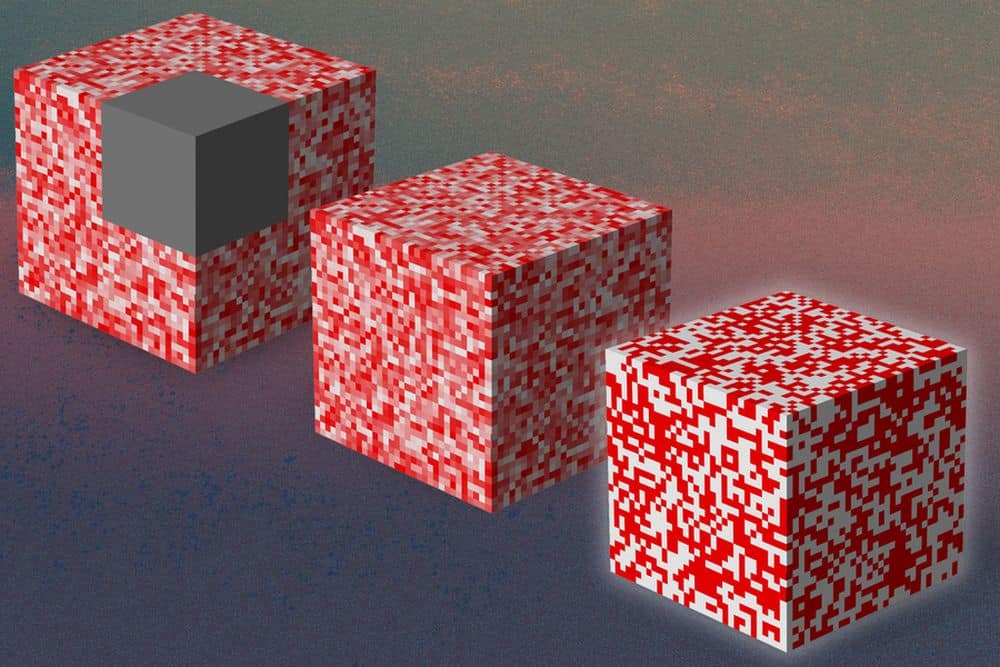
What if you could predict a material’s internal microstructure based solely on its external surface characteristics? A new deep learning method developed at Massachusetts Institute of Technology provides such a capability, and all data and codes used for the study are freely available for anyone to use through GitHub.
Read More